
Last updated October 15, 2026
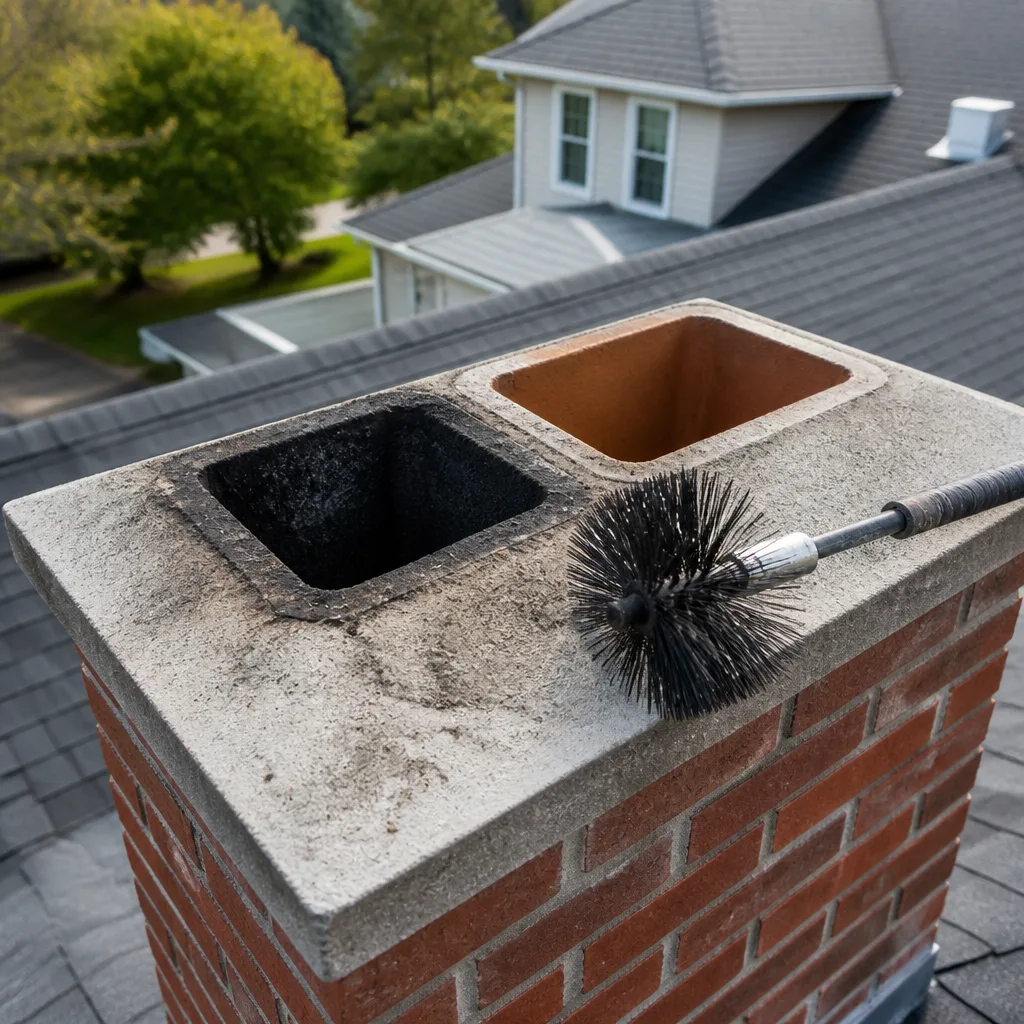 Sweep & inspection
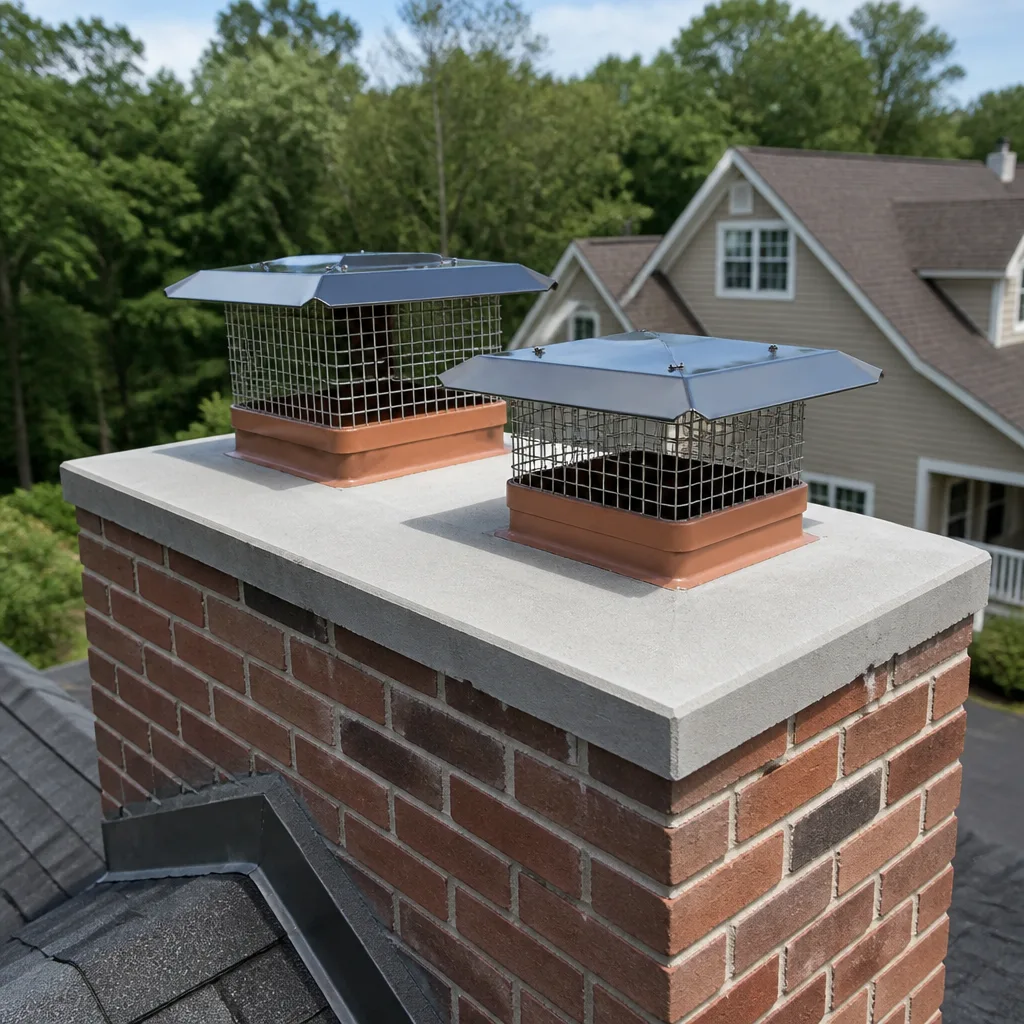 Caps & crowns
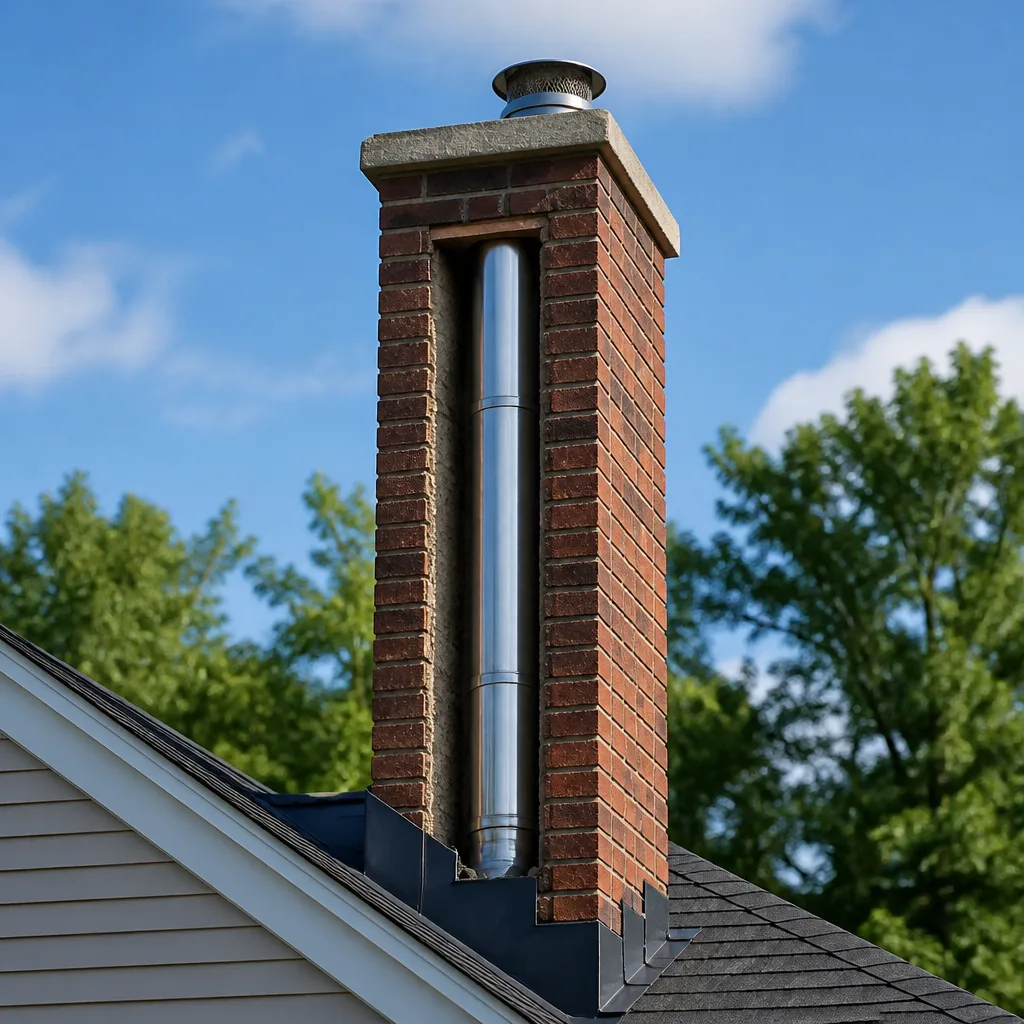 Flue relining
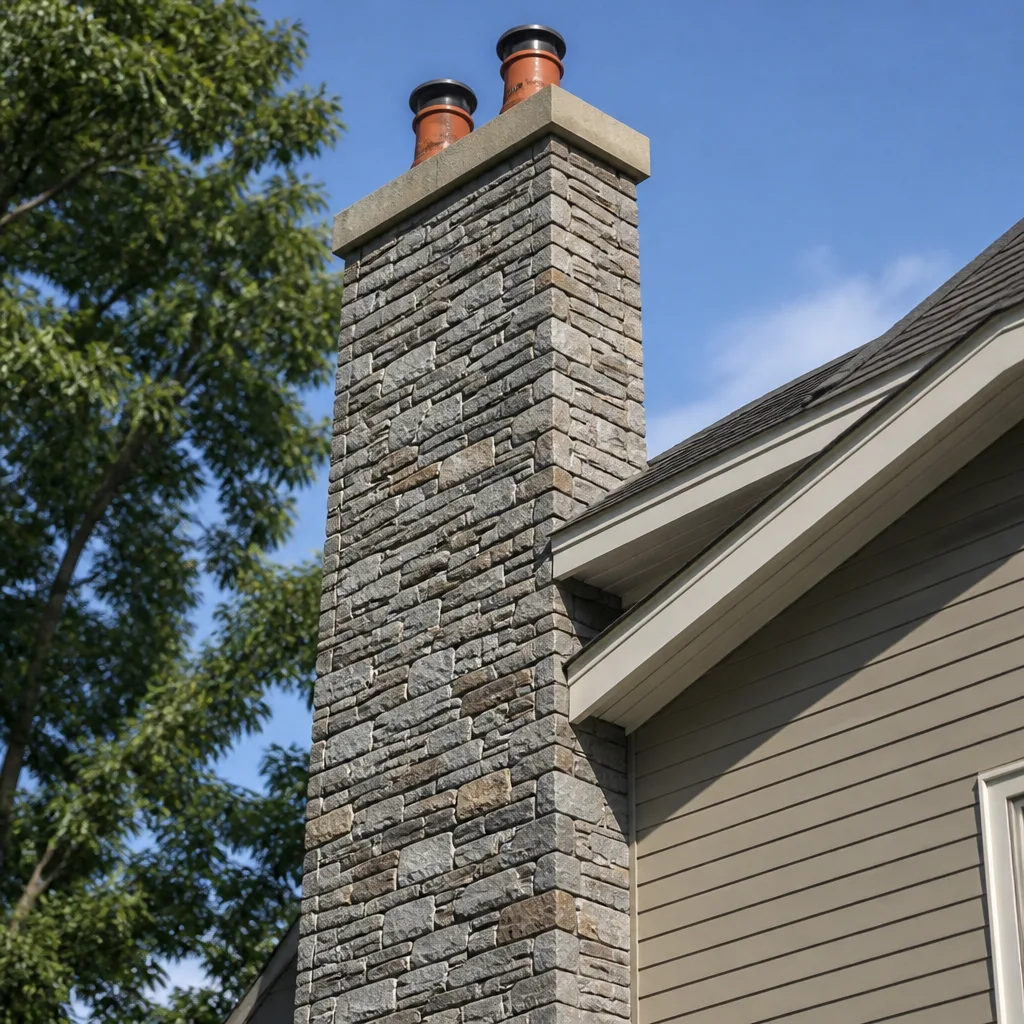 Masonry repair
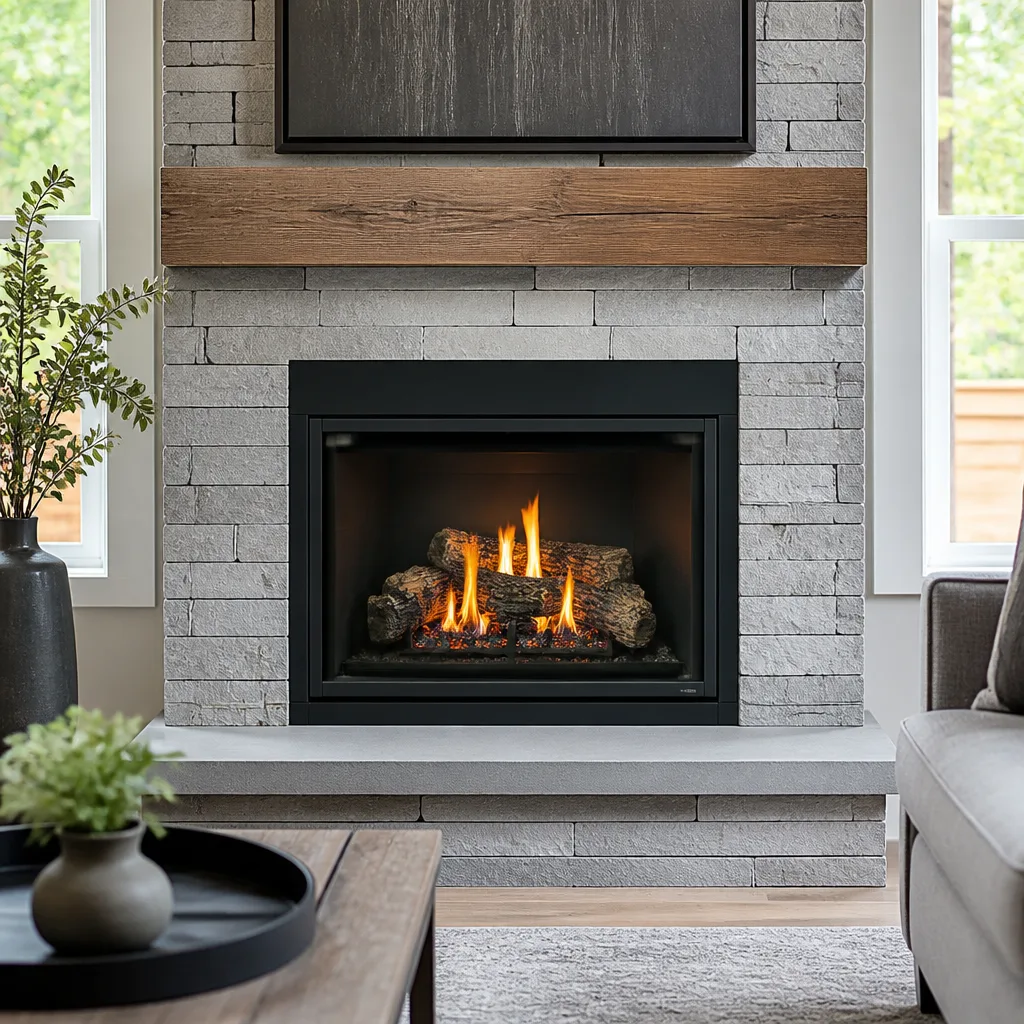 Gas fireplace service
Level 1 sweep and inspection to the NFPA 211 annual standard - flue, crown, cap, and flashing checked and photographed
Chimney sweep logs do not sweep chimneys. They loosen some creosote - which then falls where a brush and vacuum still have to collect it.
Seasonal Chimney Cleaning Care for Austin: Year-Round Homeowner’s Guide
If you schedule your chimney cleaning in January, when every Austin neighbor suddenly wants a fire during a cold snap, you’re already three months too late and competing for appointments with 200,000 other households. Austin’s fire season doesn’t follow the national chimney care calendar. It runs October through February, and the work that keeps your fireplace safe during those months happens long before the first cedar pollen spike hits. This guide breaks down exactly what to do each season in Austin, when to book a sweep, what the off-season humidity does to your flue, and which tasks you can safely handle yourself versus which ones need a trained professional with a camera. For more guides & resources, visit our blog.
Styles & brands we work with
Quick Answer
In Austin, the smart chimney care calendar is offset from the national norm: book your annual sweep between late August and mid-October, before fire season starts, then do a quick visual mid-season check in January, and use late spring for masonry inspection and cap maintenance. The three non-negotiable annual tasks are a professional sweep plus inspection before first burn, a mid-winter creosote and obstruction check if you burn regularly, and an off-season moisture and mortar assessment. Skipping the pre-season sweep is the most common and most expensive mistake Austin homeowners make, because creosote buildup from last season sits all summer in humidity that accelerates deterioration.
Table of Contents
- Why Austin’s Fire Season Doesn’t Match the National Calendar
- The Month-by-Month Austin Chimney Calendar
- August – September: The Prep Season Most Homeowners Skip
- October: The Right Time to Schedule Your Sweep
- January: The Mid-Season Check That Catches Problems Early
- March – May: Post-Season Assessment and Masonry Inspection
- Gas Fireplaces in Austin’s Summer: Humidity, Pilot Lights, and Burners
- Chimney Caps and Screens: Protecting Against Austin’s Nesting Season
- Cedar Season Meets Fire Season: What Pollen Means for Your Firebox
- Common Mistakes to Avoid
- When to Call a Professional
- Frequently Asked Questions
- The Bottom Line
Why Austin’s Fire Season Doesn’t Match the National Calendar
National chimney care guides tell you to sweep in early fall, burn all winter, and close the damper in spring. That advice was written for New England and the Midwest, where winter is a real season and fireplaces run from November through March. Austin is different. Our burn season is compressed and erratic: a handful of cold snaps between late October and late February, separated by stretches of 70-degree days where the fireplace sits idle. That stop-start pattern creates a specific creosote problem. When you burn wood during a brief cold front, creosote condenses on the flue walls. Then the weather warms up, the chimney sits in Austin’s humid air, and that creosote absorbs moisture. Moist creosote is stickier and more corrosive than dry creosote, and it builds up faster with each subsequent burn. By February, a chimney that started October clean can have a significant accumulation, especially if you burn oak or mesquite, which produce denser smoke than softer woods.
What this means for a homeowner in Austin is that the annual sweep can’t be a one-and-done November chore. The seasonality here demands three distinct touchpoints: a pre-season sweep and inspection in the September – October window, a mid-season visual check in January if you’ve been burning regularly, and a post-season moisture and masonry assessment in late spring. Each has a different purpose, and conflating them into a single “annual sweep” recommendation is why so many Austin chimneys develop problems that get caught too late.
At Hadley Chimney Austin, we’ve been working on Austin fireplaces since 2003, and the pattern is consistent. The busiest weeks for Chimney Sweep in Austin are the first two cold snaps of the season, when everyone realizes their fireplace hasn’t been touched since March. By then, the smart windows are gone and crews are booked out. The homeowners who call in September get their pick of dates, a thorough inspection before burn season, and a full report of what the camera found while there’s still time to fix it.
The Month-by-Month Austin Chimney Calendar
Here is the full annual timeline we recommend for Austin homeowners, adjusted for the city’s actual weather patterns rather than a generic national template.
- August: Put chimney sweep on your calendar. This is the month to call and schedule your pre-season service for September or early October. If you have a gas fireplace, schedule its annual service now too, before the fall rush.
- September: Best month for the pre-season sweep and inspection. Chimney flues are dry from summer, access is easy, and there’s no burn-pressure yet. If repairs are needed, there’s time to complete them before the first fire.
- October: Second-best window, and the practical deadline for a pre-season sweep. This is when Austin’s first real cold front usually arrives. If you haven’t scheduled yet, do it now and expect tighter availability.
- November – December: Peak burn season begins. If you burn more than twice a month, start paying attention to smoke behavior, odors, and any visible creosote at the damper. This is not the time to book a first-time sweep unless you see a problem.
- January: Mid-season check. If you’ve been burning regularly through the holidays, check for creosote buildup at the firebox, look for accumulated ash, and note any changes in draft or smell. If anything seems off, book a service before the February cold snaps.
- February – March: Burn season winds down. As outdoor cedar pollen peaks, clean the firebox thoroughly and consider whether your chimney cap needs attention after a winter of debris and possible animal interest.
- April: Post-season assessment. Once burn season is definitively over, schedule any needed masonry inspection. Late spring is the best window to spot winter mortar damage before summer heat accelerates it.
- May – July: Off-season tasks. Check the chimney cap, look for signs of moisture intrusion, keep the damper closed to block humidity, and confirm that birds or bats have not built nests at the flue opening. This is also the right time for gas fireplace maintenance.
This calendar exists because Austin’s climate punishes a set-it-and-forget-it approach. A chimney that sits unused from March to October in our humidity is not resting. It’s absorbing moisture, expanding and contracting with temperature swings, and potentially collecting debris at the cap. The off-season is an active maintenance period, not a dormant one.
August – September: The Prep Season Most Homeowners Skip
The single most valuable thing you can do for your chimney in Austin is book the pre-season sweep in September. Not October. Not “whenever it gets cold.” September. Here’s why. During the summer, the flue sits empty and dry, which means creosote from the previous season has had three months to harden. Hardened, glazed creosote is actually easier to remove in some cases than fresh sticky creosote, but it also means any moisture that did penetrate has already begun working on the flue liner. A September sweep removes last season’s residue before the first burn, and the inspection that comes with it gives a clear picture of what the summer did to your mortar joints, cap, and liner. If there’s a problem, you have weeks to fix it before anyone needs a fire.
We also recommend using this window to test the basics. Open and close the damper fully a few times. It should move smoothly and seat completely. Check that the firebox has no loose bricks or visible cracks. Look up the flue with a flashlight if you can; you’re checking for obstructions, not diagnosing anything. If your home has a gas fireplace or gas log insert, this is the ideal time to service it, because gas appliance repair in October and November waits on the same surge of cold-weather demand as wood fireplace service.
At Hadley Chimney Austin home service area, we tell Austin customers that September is the “do it now” month. By mid-October, the schedule starts to tighten, and by the first cold snap, we’re booking out two or three weeks. The Relay Visibility Guarantee means you’ll always know exactly when we’re arriving, but that support doesn’t help if there’s no open appointment left. Book early and you’re in control of the timeline.
October: The Right Time to Schedule Your Sweep
October is Austin’s practical deadline for a pre-season chimney sweep. The first meaningful cold front typically arrives in mid-to-late October, and once it does, call volume spikes across the city. Scheduling in October gives you the same service quality as September, but with less flexibility on dates and a higher chance that a discovered repair will need to be prioritized. The sweep itself is straightforward: a professional chimney sweep removes creosote (the flammable tar buildup that makes chimneys a fire risk), clears soot and debris from the flue, and checks the entire system from firebox to cap.
Here is what a standard pre-season service in Austin should include, and what you should expect to see in the report afterwards.
- Creosote removal: The sweep scrapes and brushes creosote from the flue walls, focusing on the areas where it concentrates: the smoke chamber, the damper area, and the upper flue near the cap.
- Flue inspection: A camera inspection of the flue liner, checking for cracks, gaps, or areas where heat could transfer to combustible materials. This is the part of the job that catches problems before they become house fires.
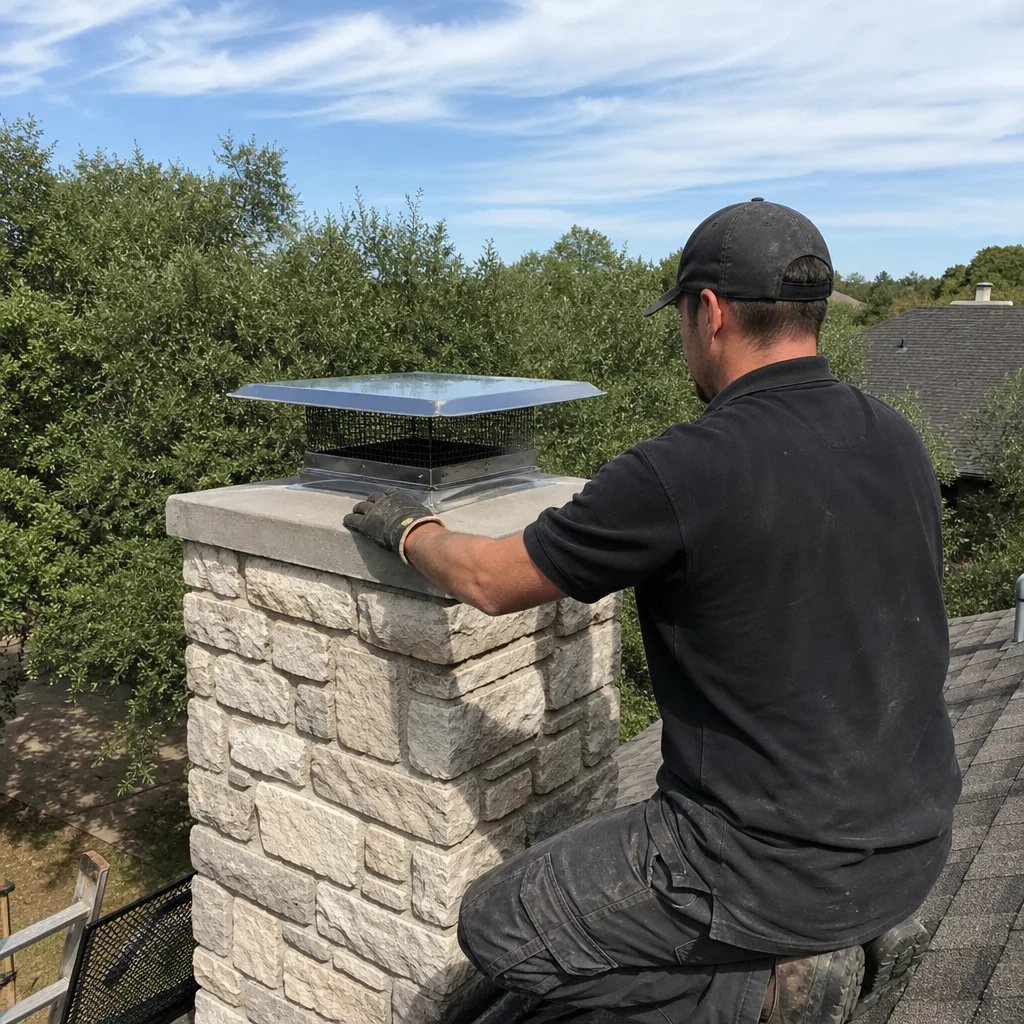
- Cap and screen check: Confirming the chimney cap is seated, the screen is intact, and there are no animal nests or obstructions at the flue opening.
- Damper operation: Testing that the damper opens and closes fully, and that it seals well enough to block moisture when closed.
- Firebox assessment: Examining the firebrick and mortar in the firebox for cracks or deterioration that could allow heat to reach the framing.
After the service, you should receive photo documentation showing what the flue looked like before and after. If your sweep doesn’t include camera work, you’re flying blind. At Hadley Chimney Austin, we provide before-and-after photos as part of every visit under The Relay Visibility Guarantee. You’ll see exactly what we found and exactly what we did. If a repair is recommended, you’ll see the photo evidence and get a written price before any work starts. No verbal quotes, no surprise charges at the door.
For Austin homeowners who burn oak, mesquite, or pecan, an October sweep is particularly important. These hardwoods produce more creosote per cord than softer woods like pine or fir, and our short, intense burn sessions mean the flue experiences rapid heating and cooling cycles that can crack standard clay liners over time. A camera inspection in October is the cheapest insurance you will ever buy against a mid-January liner failure.
January: The Mid-Season Check That Catches Problems Early
January is when Austin’s burn season is in full swing, and it’s the right time for a homeowner-level mid-season check. You’re not doing a full sweep here. You’re looking for chimney cleaning warning signs that developed since the pre-season service. The logic is simple: if you caught a problem in January, you have time to fix it before the February cold snaps. If you wait until the fireplace is smoking badly or the house smells like a campfire, you’re already behind.
Here is the five-minute mid-season check we recommend to every Austin homeowner who burns wood regularly.
- Look at the damper area with a flashlight. If you see shiny, tar-like creosote buildup thicker than about an eighth of an inch, it’s time for a mid-season sweep. Don’t wait for spring.
- Watch the smoke. When the fire is burning well, smoke should draw cleanly up the flue. Wispy smoke drifting into the room, or smoke that seems to hang at the top of the firebox, signals a draft problem or a partial obstruction.
- Smell the firebox when the fireplace is cold. A strong creosote or soot smell, especially on humid days, means the buildup is significant enough that it’s off-gassing. That smell is the precursor to a chimney fire.
- Check the firebrick inside the firebox. Cracks that appeared since October, or bricks that have shifted, are warning signs of heat damage or a settling problem.
- Clear accumulated ash. A thick ash bed restricts airflow and forces the fire to burn hotter and dirtier. Keep the ash level below the grate bars.
If the mid-season check turns up creosote buildup or draft changes, the right move is to schedule a service immediately, not to close the damper and hope. A mid-season sweep is shorter and less expensive than a crisis repair, and it takes the pressure off the February cold snaps that are still coming. Austin’s burn season doesn’t end when the holiday decorations come down. Some of our coldest nights happen in February.
March – May: Post-Season Assessment and Masonry Inspection
March is the right time to close out the burn season deliberately. You’ve had four months of heat cycles, creosote accumulation, and weather exposure. The fireplace is about to sit unused for half a year in Austin’s humidity. What you do now determines what condition the system is in when October returns. The first task is a thorough cleaning of the firebox. Shovel out all ash, wiping down the firebrick, and check the damper for creosote residue before closing it. Leaving a layer of ash in the firebox all summer means that ash absorbs humidity and creates a damp, corrosive environment around the metal damper and any exposed steel components.
But the bigger post-season task in Austin is masonry inspection. Late spring, roughly April through May, is the optimal window to spot winter mortar damage. During burn season, mortar joints expand and contract with every fire. Austin’s winter temperature swings, from the low 30s on a cold morning to 75 by afternoon, add additional thermal stress. By March, any mortar that cracked during the winter is visible, but the full damage often doesn’t show until spring rains test the joints. If you inspect in April, you catch fresh cracks and spalling (when the brick face flakes or pops off) early, before the brutal heat of July and August accelerates the deterioration. Heat expands cracked masonry, and a small crack in April can be a significant structural gap by August.
Our Chimney Repair in Austin team does most of its masonry work between March and June precisely because that’s when the damage is freshest and easiest to address. By July, contractors are fighting the heat, and mortar cures differently. If you’re going to do any repointing, crown repair, or flashing work, aim for spring. It’s the cheapest and most durable time to have it done.
Gas Fireplaces in Austin’s Summer: Humidity, Pilot Lights, and Burners
Austin’s summer humidity is not kind to gas fireplaces and gas log inserts. The two biggest seasonal concerns are moisture corrosion on the burner and gas valve, and performance issues from a pilot light that’s been sitting dormant since March. Gas fireplaces in Austin are used heavily in November through February, then often ignored for eight months. That long idle period in humid air is when small problems breed. Here is what to do with a gas fireplace during the Austin summer months.
First, decide whether to leave the pilot light on or turn it off. In Austin’s climate, turning off the pilot light for the summer is generally fine and saves a small amount of gas, but it introduces a consideration: when you turn the pilot off, the thermocouple and burner assembly sit in a humid environment, and moisture can accumulate on the burner ports. When you try to relight in October or November, a delayed ignition or a weak flame is often the result of that moisture plus a thin layer of dust or spider debris inside the burner tube. If you do turn off the pilot, you should plan to have the unit serviced before the first cold snap, not attempt a first-light after eight months of sitting. A service call for a Gas Fireplace Repair in Austin client in October is usually a simple cleaning and burner adjustment. If ignored until January, that same issue can be a full burner replacement.
Second, keep the glass clean but not spotless. Gas fireplace glass accumulates a film over the burn season, and if left uncleaned through the humid summer, that film can etch the glass permanently. Clean the glass in March after the last fire, using a fireplace glass cleaner, then leave it clean until fall. Avoid abrasive pads. If you have a gas log insert, check that the logs are seated exactly as the manufacturer specifies. Austin’s heat doesn’t directly affect gas logs, but if a log shifts over the summer, it can create sooting or flame impingement when you relight in the fall.
Chimney Caps and Screens: Protecting Against Austin’s Nesting Season
Between fire seasons, your chimney has a different job: keeping animals out. Austin’s chimney nesting season runs from late February through June, when chimney swifts, sparrows, and bats are actively looking for cavities to nest in. In Texas, chimney swifts are a protected species under the Migratory Bird Treaty Act. Once a swift nest is active, it is illegal to remove it or disturb the birds until the nestlings have fledged. That means if swifts move into your uncapped flue in March, you may be legally barred from using the fireplace until July or August. We see it every year in Austin neighborhoods with older homes and uncapped chimneys.
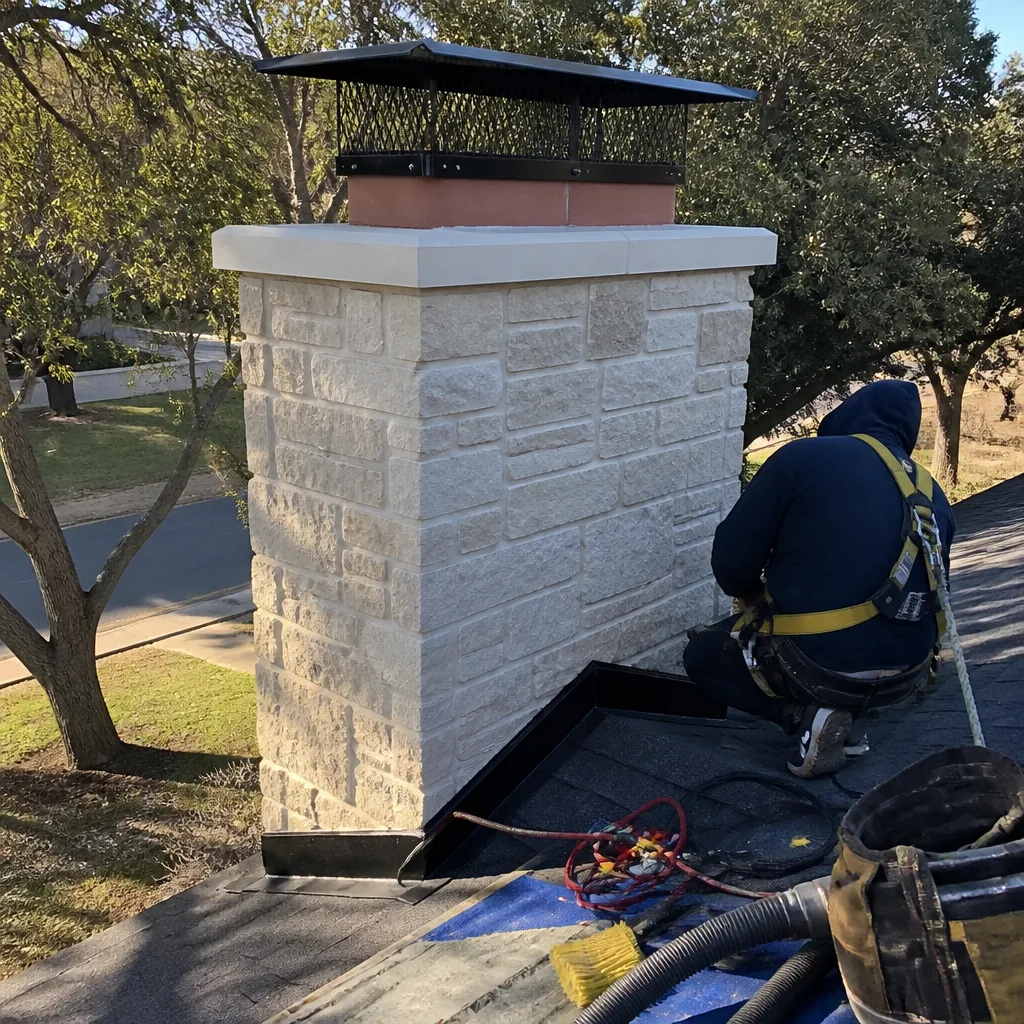
The solution is simple and it is not optional in Austin: a properly fitted chimney cap with a spark-arrestor screen. The cap keeps rain and debris out, and the screen keeps birds, bats, squirrels, and raccoons out. The screen itself should be inspected or replaced every two to three years, because Austin’s heat, humidity, and the constant expansion and contraction of the masonry eventually corrode or loosen the mesh. A gap in the screen is an open door for a bird looking for a nest site.
Here is what we recommend for caps in Austin’s climate.
- Stainless steel or copper caps last longest in Austin’s humidity and heat. Galvanized steel works but corrodes faster here than in drier climates.
- Mesh size matters. The screen should be fine enough to exclude chimney swifts and bats. If you can see daylight through holes bigger than a dime, the screen is not doing its job.
- Check the cap after every severe storm. Austin gets intense hailstorms, and a hailstorm can dent a cap or knock it slightly ajar. A loose cap rattles, leaks, and lets animals in.
- If you hear chirping in the chimney, don’t light a fire. That’s a nesting bird, and in Austin it’s protected. Call a chimney professional to assess what’s up there before you do anything else.
Replacement caps are a low-cost part of the job. The brands we work with, including Copperfield and Olympia Chimney, make caps that hold up in Central Texas weather. A cap and screen installed in spring will still be doing its job when fire season starts again in October.
Cedar Season Meets Fire Season: What Pollen Means for Your Firebox
Austin’s cedar season runs from December through February, overlapping almost exactly with our burn season. Mountain cedar pollen is a fine, powdery allergen that coats every outdoor surface, and it gets indoors through open doors, windows, and air returns. What most homeowners don’t realize is that the firebox itself is a pollen collector. During burn season, your firebox draws air from the room and up the flue, which means cedar pollen suspended in your indoor air gets pulled across the firebox, the damper, and the lower flue. Some of it burns off. Some of it settles. By February, that fine layer of pollen and ash can coat the damper assembly and the lower flue walls, contributing to a smoky smell when the fireplace is not in use and adding to the creosote matrix already on the flue from the wood smoke.
For Austin homeowners with cedar allergies, this overlap matters. If you have a wood-burning fireplace and you’re sensitive to cedar pollen, the fireplace itself can be a point of exposure. The hot air that comes off the firebox during a burn also carries whatever particulate matter is already in the room, including the pollen that settled there while you slept. There’s no way to eliminate this entirely while burning wood, but there are straightforward steps that reduce it.
- Burn hot, dry hardwood. A hotter fire creates a stronger draft, which pulls more room air up the flue more quickly, reducing the amount of time that pollen-laden air lingers in the firebox area.
- Keep the firebox cleaned frequently during cedar season. If you’re burning twice a week or more during January, clean the ash and any visible dust from the firebox weekly.
- Close the damper when the fireplace is not in use. This blocks the chimney from acting as a pollen funnel into the house during the day.
- Consider a HEPA room air purifier near the firebox during peak cedar season if anyone in the house has significant cedar allergies. The purifier will pull pollen out of the air before the firebox draft can circulate it.
None of this replaces professional sweeping, but it does make burn season more comfortable for allergy sufferers in Austin. And if you’re considering switching from wood to a gas log insert partly for air quality reasons, that’s a conversation worth having with a chimney professional before next season.
Common Mistakes to Avoid
- Waiting until the first cold snap to schedule a sweep. By the time Austin’s first freeze hits, every chimney company in the city is booked for weeks. You’re three months behind schedule and competing with everyone else who did the same thing. September is the month to act.
- Assuming a gas fireplace needs no maintenance. Gas fireplaces in Austin’s humid climate still develop burner corrosion, spider debris in the gas jets, and glass etching if left uncleaned through the summer. Annual service is just as important as for wood systems.
- Closing the damper and forgetting the chimney for eight months. The off-season is not a dormant period. Humidity, animal activity, and thermal expansion all do work on your chimney between March and October. A post-season check in spring is worth the hour.
- Ignoring a chimney cap or running without one. In Austin, an uncapped chimney is an open invitation to nesting swifts and bats, both of which are protected species in Texas. Once they move in, you can’t use the fireplace legally until they leave. A cap is a small investment that avoids a long inconvenience.
- Burning unseasoned wood because Austin doesn’t get “that cold.” Austin’s short, hot burn sessions with wet or green wood produce more creosote than long, slow burns with dry hardwoods. Burn only wood that’s been seasoned for at least six months, ideally longer.
- Skipping the camera inspection during a sweep. A visual sweep alone can’t see what’s happening inside the flue liner or the smoke chamber. Without camera documentation, you’re relying on someone looking up a dark hole and guessing. Always ask for photos.
- Treating a chimney sweep and a chimney repair as the same thing. A sweep removes creosote. A repair fixes cracks, broken mortar, or liner damage. Some Austin homeowners assume a sweep will catch and fix everything. It catches, but fixing is a separate scope with a separate written price.
When to Call a Professional
Call a professional chimney company if you see any of these specific conditions: smoke entering the room instead of drafting up the flue, a strong creosote smell when the fireplace is cold, visible cracks in the firebox or on the chimney structure, water stains on the ceiling near the chimney, evidence of animals in the flue, or a gas fireplace that won’t light or produces a weak, sooty flame. These are not DIY situations. They require a camera inspection, proper diagnosis, and a plan that addresses the root cause, not just the symptom. Before scheduling any work, review Chimney Cleaning Permits, Codes & Inspections in TX: What You Need to Know. Hadley Chimney Austin offers free estimates in Austin. Call (361) 603-5116 and you’ll speak with a live person who can book your inspection, answer questions about the process, and provide a written price before any work begins. No four-hour arrival windows, no vague quotes, just a clear path from problem to fix.
Frequently Asked Questions
A standard chimney sweep in Austin typically runs $180 to $340 for a straightforward, single-flue cleaning with a basic inspection, depending on the system’s condition and whether a camera inspection is included. For a detailed breakdown, see our Chimney Cleaning Cost Breakdown: The Austin Homeowner’s Reference for 2026. Expect the higher end for two-story homes, steep roof pitches, or heavy creosote accumulation. A sweep plus a full camera inspection and cap check usually falls in the $250 to $450 range. Call (361) 603-5116 for an exact quote for your home. Estimates are free, and we give you a written price before any brush touches your flue.
In Austin, you should sweep at least once per burn season, and that sweep should happen in September or October, before the first fire. If you burn wood more than two or three times per week through the winter, a second mid-season sweep in January is the safest practice. The frequency also depends on what you burn: hardwoods like oak and mesquite create more creosote per cord than soft woods, and Austin’s short, hot burns concentrate that creosote faster than long, slow burns in colder climates.
You need a new liner only if the camera inspection shows cracks, gaps, or spalling in the existing liner, or if the liner is made of unlined masonry that has deteriorated past the point of safe use. At Hadley Chimney Austin, we never recommend a liner replacement without showing you the photo evidence first. Here’s the standard we hold: if we’re recommending a repair, the photos we provide show the problem in a way you can see for yourself. If the liner is in acceptable shape, we’ll tell you that too, in writing, and explain what to watch for over the next season. Materials we use for liner work include DuraFlex flexible liner systems and HeatShield ceramic repair compound, which are industry-standard products built for long service life in climates like Austin’s.
If you skip sweeping, creosote continues to accumulate on the flue walls with every burn. Over one season, a moderate buildup becomes a fire hazard because creosote is the fuel that turns a normal chimney into a chimney fire. Over two seasons, the buildup can also restrict the draft, causing smoke and carbon monoxide to push back into the house. And in Austin, the off-season humidity accelerates the chemical breakdown of creosote and the corrosion of metal components. The longer you skip, the more expensive the eventual fix becomes. Call (361) 603-5116 and we’ll get your flue inspected and cleaned before the next fire season. It’s the cheapest insurance you’ll buy all year.
For most common issues, yes, or within a few days. A standard sweep is a same-day service. A cap replacement, minor flashing repair, or damper adjustment can often be completed on the same visit if the part is on the truck. Larger repairs, like a liner installation or significant masonry work, require a separate scheduled visit with a written scope and price. Hadley Chimney Austin operates under The Relay Visibility Guarantee, which means you’ll know the timeline before we start, not after.
You can use your fireplace during cedar season, but it will pull pollen-laden air across the firebox and up the flue, which can increase your indoor exposure. The best steps for Austin allergy sufferers are to burn hot, dry hardwood to create a stronger draft, clean the firebox weekly during peak cedar season, keep the damper closed when the fireplace is not in use, and run a HEPA air purifier near the firebox on days when the cedar count is high. If you’re considering a gas log insert partly for air quality reasons, that’s a legitimate upgrade to discuss with our team.
The Bottom Line
Seasonal chimney care in Austin doesn’t follow the national calendar, and the homeowners who understand that save themselves money, stress, and cold nights without a working fireplace. The three anchor tasks are a September or October sweep plus camera inspection, a January mid-season check if you burn regularly, and a late-spring masonry assessment to catch winter damage before summer heat makes it worse. Add a chimney cap with a proper screen to keep Austin’s protected birds out, keep the firebox clean during cedar season, and service gas fireplaces annually, not biannually. If you’re in Austin and want a company that gives you a written price before work starts, shows you before-and-after photos, and answers the phone 24/7, call Hadley Chimney Austin at (361) 603-5116. We’ve been serving Austin since 2003, and we’ll treat your chimney like we’d treat our own.
Written by Cory Mitchell, Owner at Hadley Chimney Austin, serving Austin since 2003.
See the difference
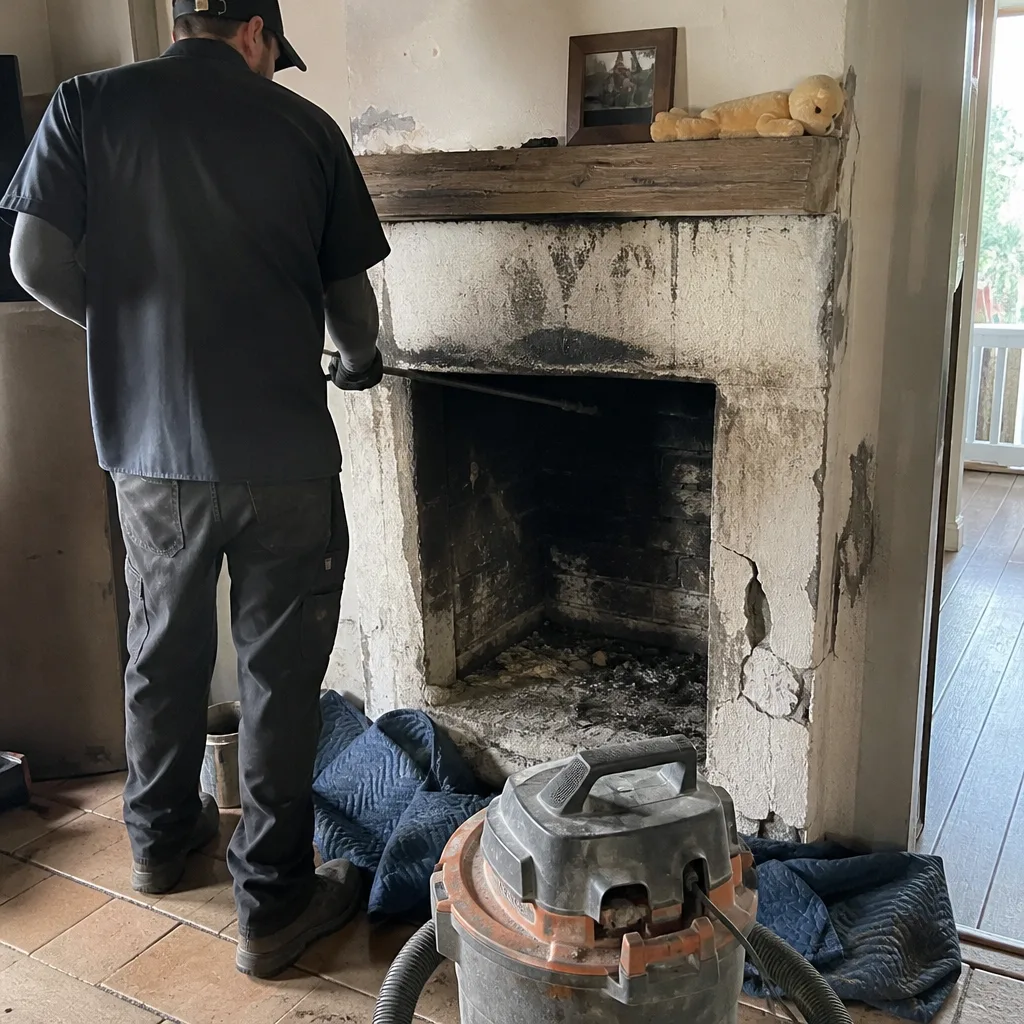 Before
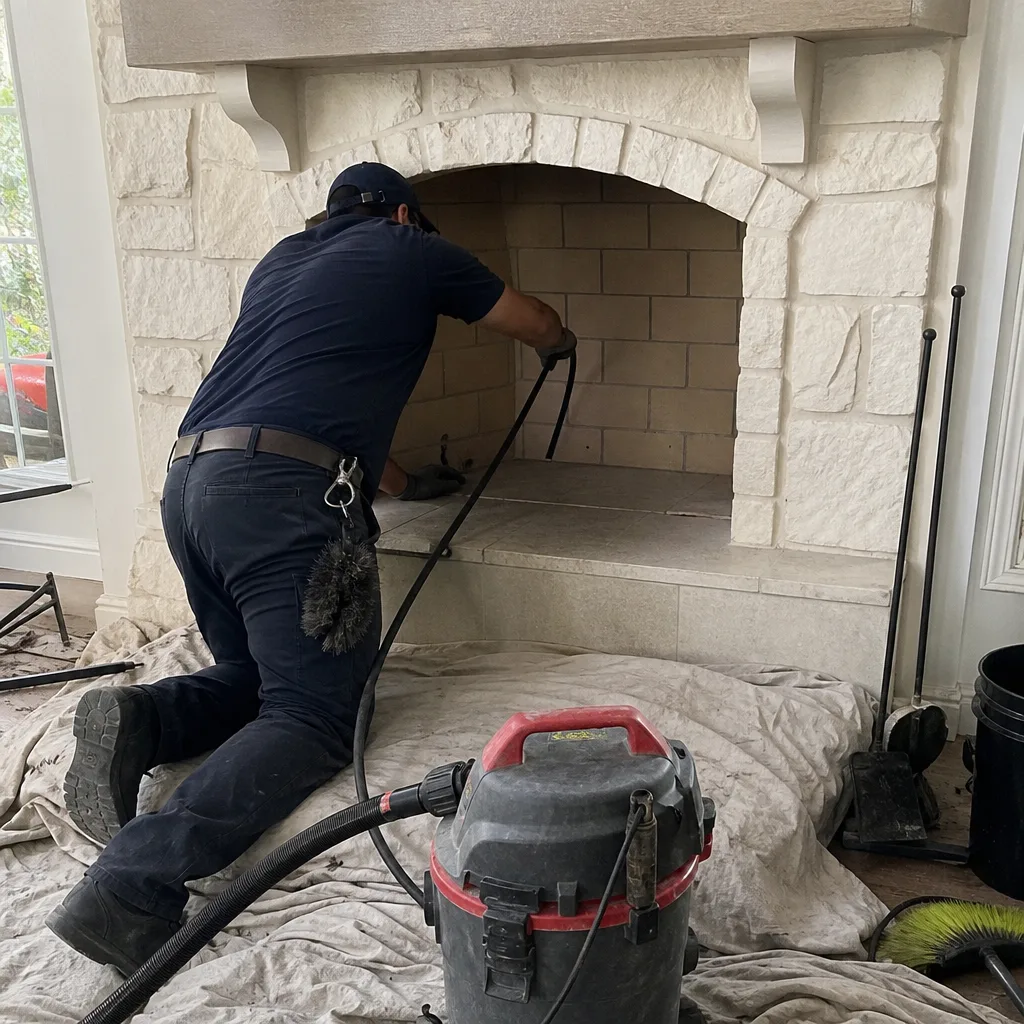 After
After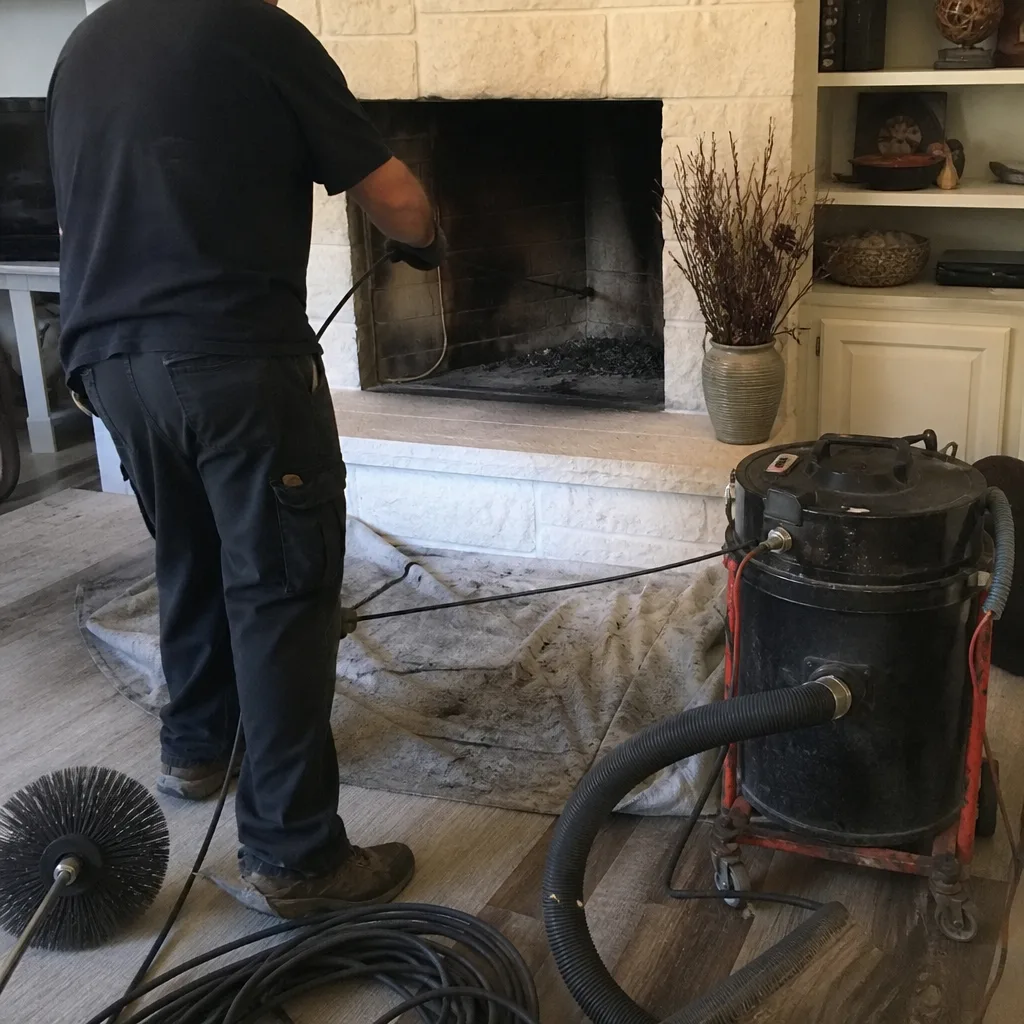 Before
 After
After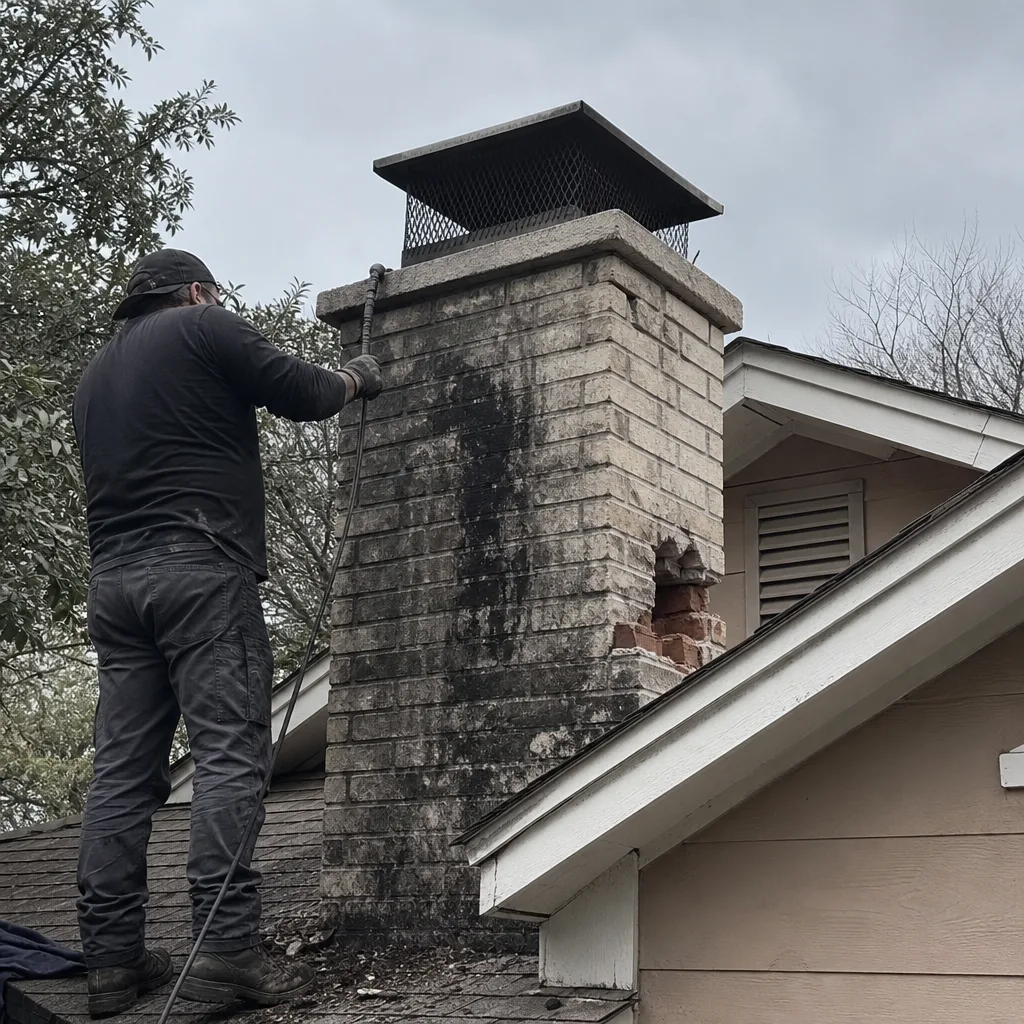 Before
 After
After