
Last updated October 15, 2026
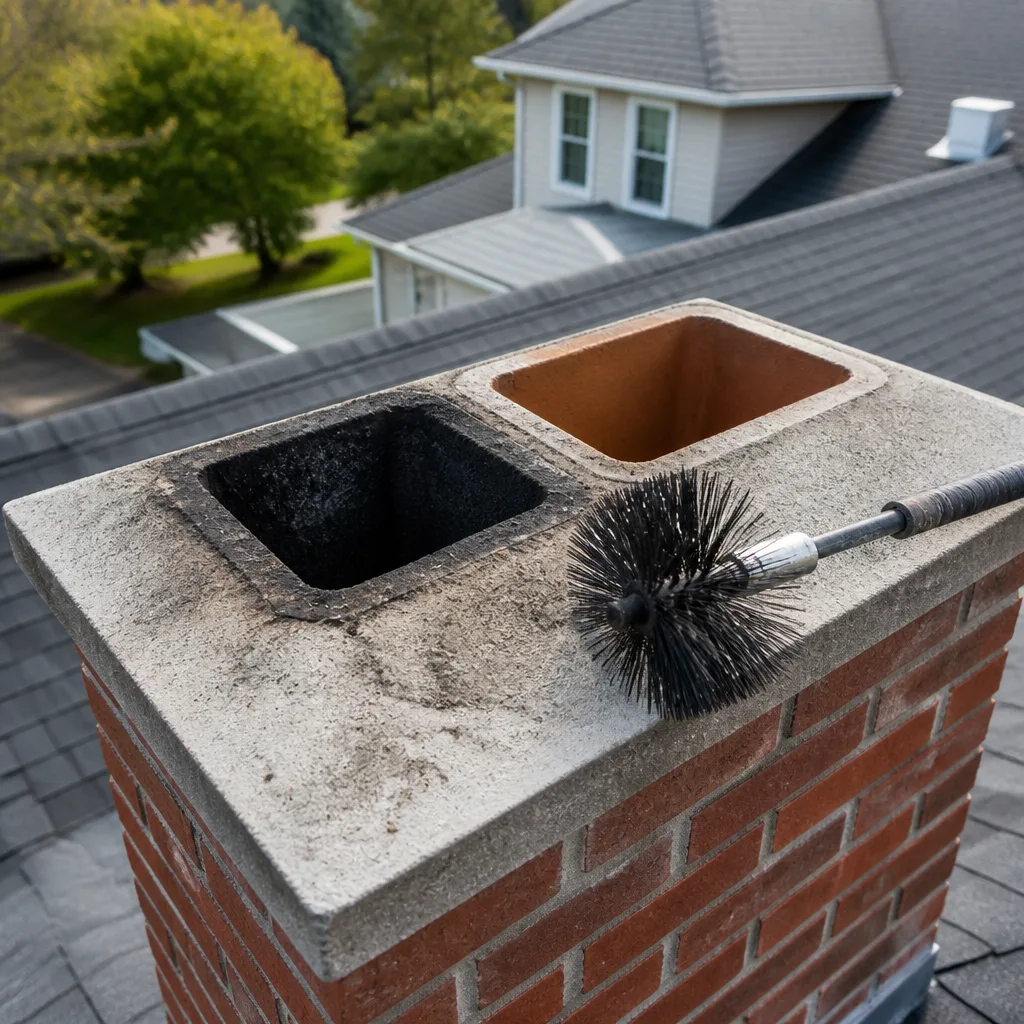 Sweep & inspection
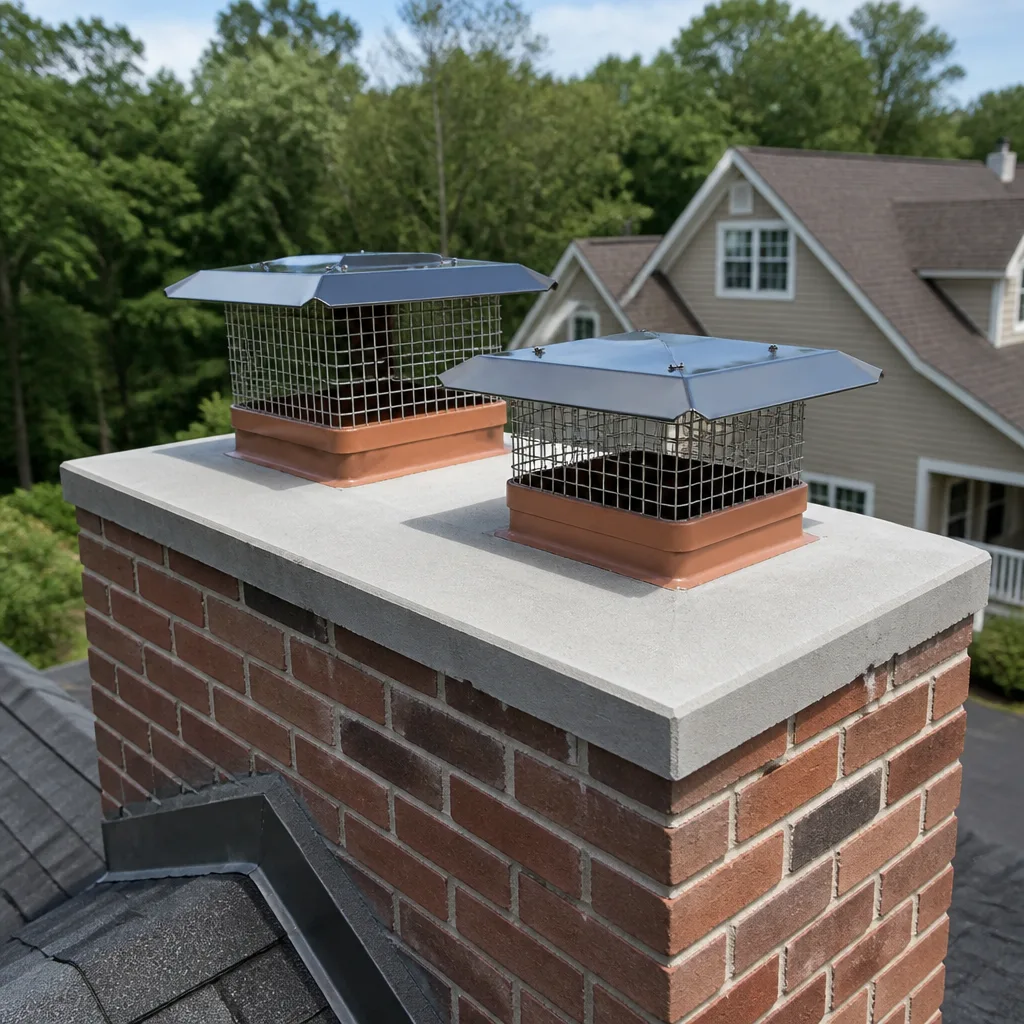 Caps & crowns
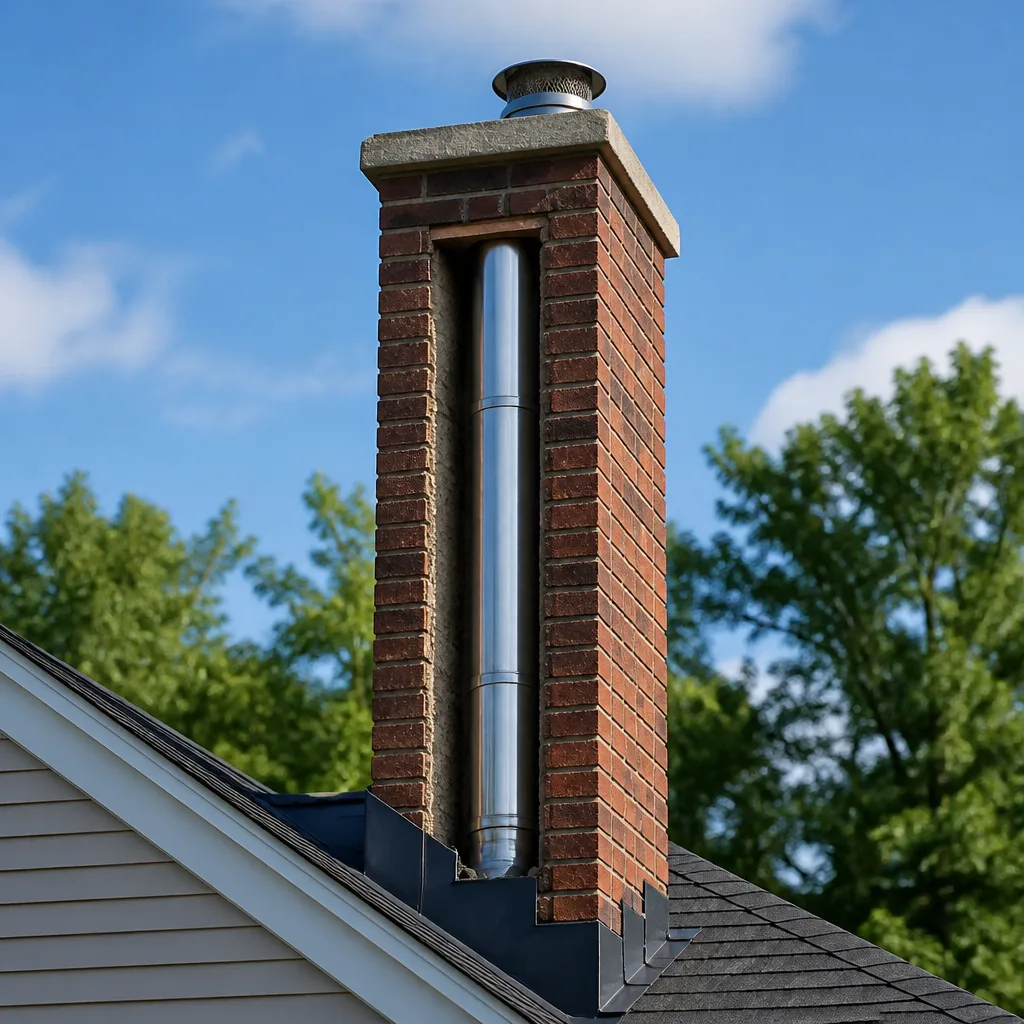 Flue relining
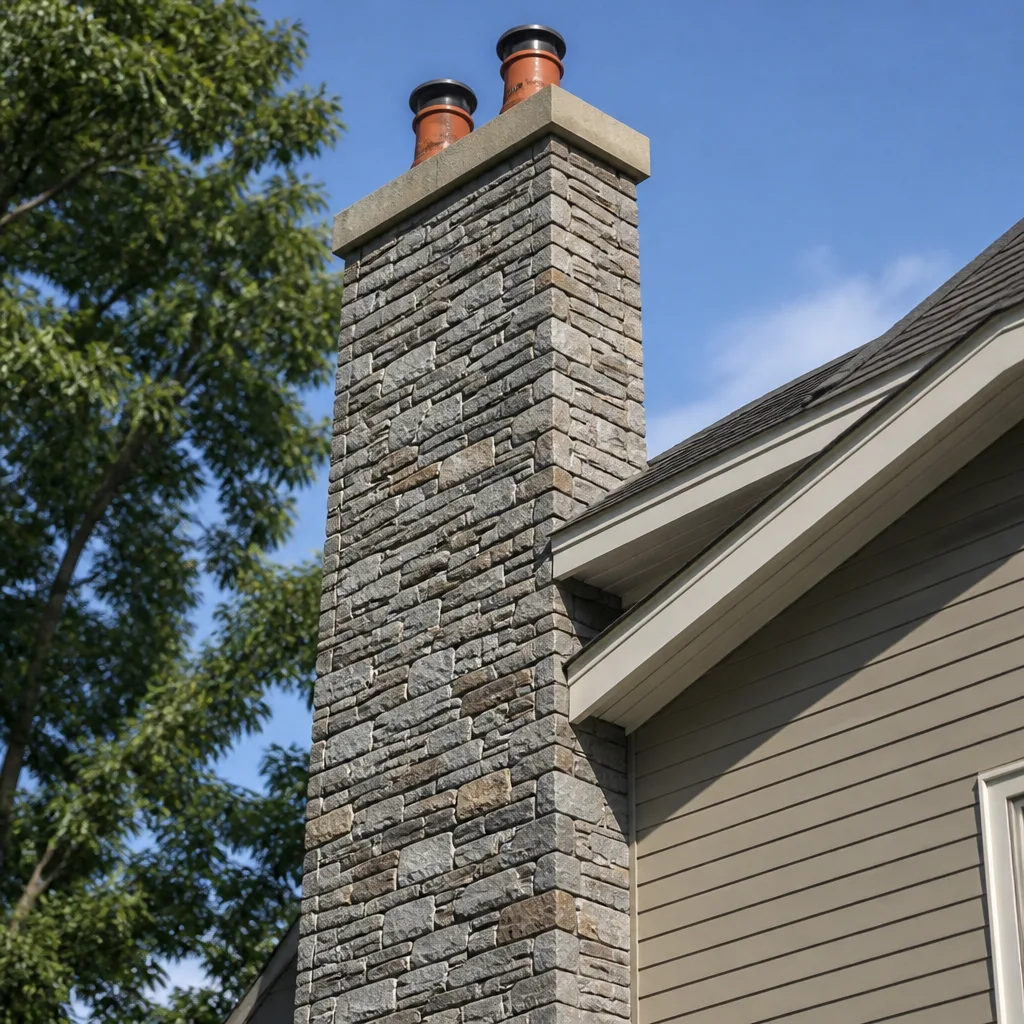 Masonry repair
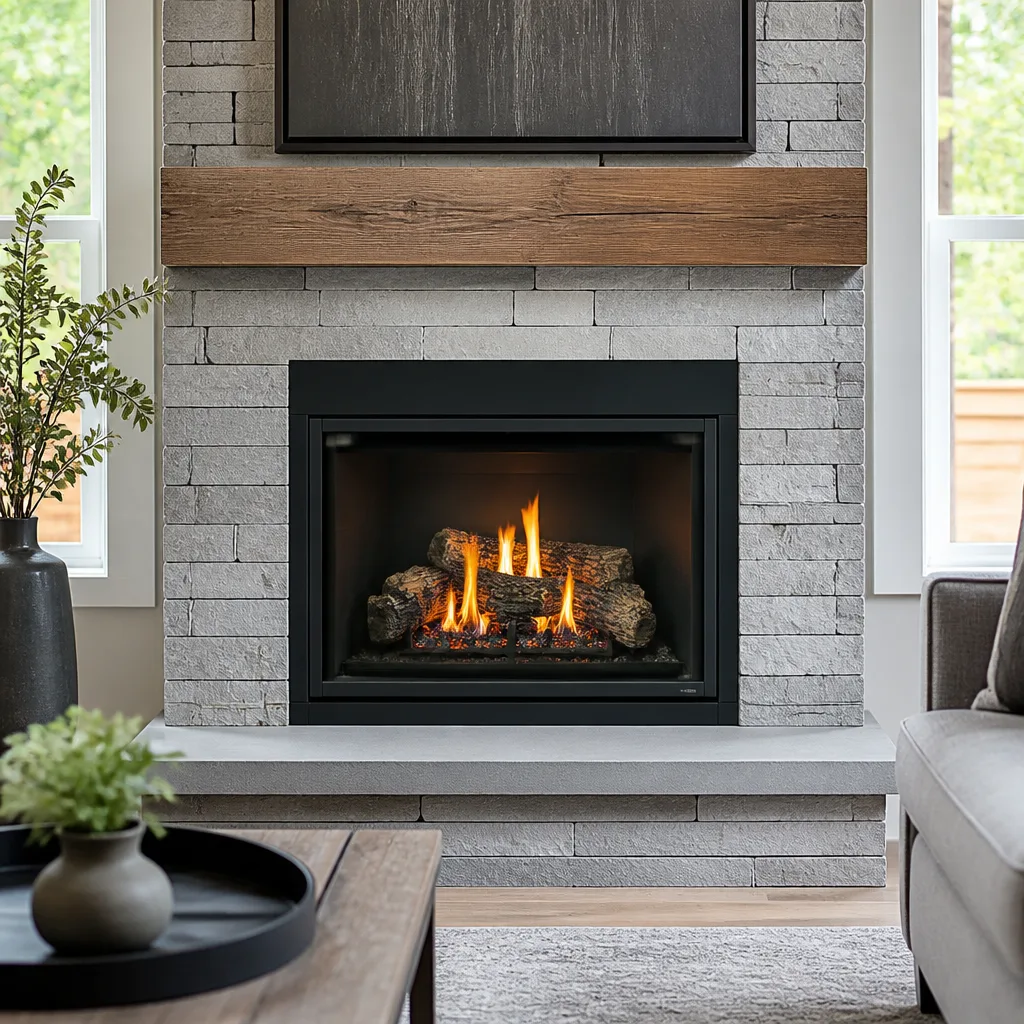 Gas fireplace service
Level 1 sweep and inspection to the NFPA 211 annual standard - flue, crown, cap, and flashing checked and photographed
Chimney sweep logs do not sweep chimneys. They loosen some creosote - which then falls where a brush and vacuum still have to collect it.
Chimney Cleaning Permits, Codes & Inspections in TX: What You Need to Know
A chimney company that tells you a full liner relining “doesn’t need a permit in Texas” isn’t saving you paperwork, they’re telling you they don’t plan to pull one. That’s a different problem entirely, and it’s one Austin homeowners pay for long after the truck leaves the driveway. Here’s the uncomfortable truth most sweep companies won’t volunteer: the cleaning part almost never requires a permit anywhere in Texas, but the repairs that cleaning routinely uncovers absolutely do in Austin, and skipping that step can void a homeowner’s insurance claim after a chimney fire or carbon monoxide incident. This guide walks through what’s maintenance, what’s regulated, what the City of Austin actually requires, and how to verify permits before you hand over a deposit, with The Complete Guide to Chimney Cleaning in Austin as a companion for the cleaning side of the equation.
Styles & brands we work with
Quick Answer
Chimney cleaning itself is classified as routine maintenance in Texas and does not require a permit in Austin or any other city in the state. However, structural repairs that a cleaning often reveals, such as liner replacement, firebox rebuilding, or chimney crown reconstruction, do require a City of Austin building permit, and unpermitted work can void your homeowner’s insurance coverage after a fire or CO event. The short rule: sweep first, then verify permit status on any repair before work begins.
Table of Contents
- Maintenance vs. Repair: Where Austin Draws the Permit Line
- IRC Chapter 10 and Austin’s Local Amendments: The Code That Actually Applies
- Austin Energy Rebates, Inspections, and Gas Log Set Rules
- How Unpermitted Chimney Work Affects Insurance Claims
- How to Verify a Permit Pull on the City of Austin Portal
- Questions to Ask Your Sweep Before Any Repair Work
- What Permits and Inspections Cost in Austin
- Common Mistakes to Avoid
- When to Call a Professional
- Frequently Asked Questions
- The Bottom Line
Maintenance vs. Repair: Where Austin Draws the Permit Line
The City of Austin defines chimney sweeping, flue brushing, and creosote removal as routine maintenance because these tasks don’t alter the structure, the venting path, or the clearance-to-combustibles equation. No permit, no inspection, no paperwork. That’s true whether you’re in Circle C, Mueller, Hyde Park, or up near the Domain. A sweep removes the flammable tar buildup inside the flue and reports what’s underneath it. That’s where the permitting question actually starts.
Here’s the line Austin uses, and it’s cleaner than most homeowners expect:
- No permit needed: chimney sweeping, creosote removal, flue brushing, damper lubrication, rain cap replacement that bolts onto the existing flue tile, minor flashing caulking, basic smoke test.
- Permit required: stainless steel liner installation (whether rigid or flexible), flue tile replacement, firebox rebuilding, smoke chamber parging, chimney crown reconstruction, full flashing replacement that involves cutting into the roofline, and any structural masonry work on the chimney stack itself.
The distinction matters because a sweep might find Stage 2 or Stage 3 creosote, advise a liner, and then quote you a price that includes “all necessary work.” What that quote often omits is the line item for pulling a permit with the City of Austin Development Services Department. In our experience, roughly one in four Austin homeowners we meet for a second opinion had a previous company do liner work without a permit, and they only discovered it when they tried to sell the house or filed a claim.
IRC Chapter 10 and Austin’s Local Amendments: The Code That Actually Applies
Texas adopts the International Residential Code, and Chapter 10 of the IRC governs chimneys and fireplaces. Austin enforces the IRC with local amendments layered on top, and those amendments lean stricter than what you’ll find in Round Rock, Pflugerville, or unincorporated Travis County. The relevant pieces for a homeowner with a wood-burning or gas fireplace:
- R1001 and R1003: masonry chimney construction standards, including wall thickness, footing requirements, and flue liner material specs.
- R1004: factory-built chimney and fireplace requirements, including what installation manuals have the force of code and what testing standards apply.
- R1005: chimneys serving appliances, including gas water heaters and furnaces, and the specific clearance-to-combustibles rules Austin inspectors check first.
- R1006: exterior air supply requirements for factory-built fireplaces, which Austin enforces more consistently than most neighboring jurisdictions.
What this means in practical terms: if a sweep tells you your masonry chimney needs a HeatShield cerfractory resurfacing or a DuraFlex flexible liner retrofit, that’s an IRC Chapter 10 repair. Austin requires a permit for it because the work changes how the venting system performs under fire conditions. A sweep who skips the permit is asking you to trust their word over a code that exists because chimneys burn houses down when liners fail.
The local amendment most Austin homeowners trip over involves clearance to combustibles on older homes. Many pre-1980 fireplaces in Bouldin Creek and Travis Heights were built to looser standards. Adding a liner changes the clearance equation, and Austin inspectors will check framing distances, attic insulation contact, and chase construction details that a sweep’s camera can’t fully document from inside the flue.
Austin Energy Rebates, Inspections, and Gas Log Set Rules
Austin Energy runs energy-efficiency rebate programs that sometimes overlap with chimney work, and that overlap creates one of the most common points of confusion we hear from homeowners. The programs target HVAC efficiency, insulation, and appliance replacements, but the approval process requires an Austin Energy audit that includes combustion appliance safety checks. If you’re installing a gas log set in a previously wood-burning fireplace, Austin Energy’s inspectors will look at the damper, the flue sizing, and whether the chimney is still safe for vented gas logs.
Here’s how the interaction works in practice:
- Step 1: You install a vented or vent-free gas log set. Vented sets require a working flue and a damper that stays open during operation. Vent-free sets have their own clearance rules and are legal in Texas, though they introduce more moisture and combustion byproducts into the living space.
- Step 2: If the fireplace connects to an Austin Energy efficiency project, an auditor reviews the gas log installation as part of the broader home assessment. The auditor can flag a chimney that lacks a liner or has visible flue damage.
- Step 3: Flagged issues must be corrected before final rebate approval. The correction is where the permit question returns: liner installation or firebox repair requires a City of Austin permit, and Austin Energy will ask for documentation.
For homeowners not pursuing a rebate, the permitting rule still stands. Installing gas logs alone does not require a permit if the flue is unchanged and functional. Converting a wood-burning fireplace to gas by installing a liner, altering the firebox, or reframing the chase absolutely does. When we install Copperfield gas log components or Famco dampers in Austin homes, we’re pulling a permit any time the IRC Chapter 10 scope triggers it. It’s not optional, and it’s not a gray area.
How Unpermitted Chimney Work Affects Insurance Claims
This is the section homeowners tell us they’ve never heard from another chimney company. Texas insurance policies routinely include language that excludes coverage for damage caused by unpermitted construction, alteration, or repair work performed after the policy’s effective date. The logic is straightforward: the insurer didn’t underwrite the risk of work that was never inspected, so they’re not obligated to pay for the loss that work caused or failed to prevent.
Here’s the specific scenario we’ve seen play out in Austin:
- A homeowner has a stainless liner installed without a permit. A year later, a chimney fire starts in the flue. The fire investigator determines the liner installation failed at a connection point or was sized incorrectly. The insurance adjuster asks for the permit record. When none exists, the claim for structural fire damage is denied, and the homeowner is left holding repair costs that can easily cross $30,000 and up.
- A gas log set is installed in an unlined masonry chimney without a permit, and the installation lacks the required carbon monoxide monitoring. A CO leak sends someone to the hospital. The liability claim is denied on the same grounds: unpermitted alteration of a venting system.
The fix is almost always cheap relative to the risk. A City of Austin residential chimney repair permit for liner work typically runs $75 to $150 based on the scope. That’s the difference between an insurable chimney and a $30,000-plus exposure you don’t know about until the fire department leaves. When Cory Mitchell walks Austin homeowners through this, the response is usually the same: nobody told them the permit protects the insurance claim more than it satisfies the city. We’ll say it plainly because it’s true: an unpermitted liner is a hidden exclusion clause waiting for a fire.
How to Verify a Permit Pull on the City of Austin Portal
The City of Austin runs a public permit search through the Austin Build + Connect portal. Anyone can search by address and see active, issued, and completed permits for a property. This is the single most useful tool a homeowner has when a sweep quotes liner or firebox work, and it takes about three minutes to use.
Here’s the verification process step by step:
- Search the address: Go to the Austin Build + Connect portal and enter your street address. The system shows all permits associated with the property, including prior chimney work if any was ever pulled.
- Ask for the permit number before you pay a deposit: A sweep who plans to pull a permit will either have one already issued or will list it on the contract with a clear note about who pulls it and when.
- Check the scope description: The permit should say what the work is: “chimney liner replacement” or “firebox repair” or “masonry chimney rebuild.” Generic descriptions like “residential remodel” are a red flag.
- Confirm final inspection: After the work is done, the permit record should show a final inspection passed. This is the document your insurance company will want to see if anything goes wrong later.
You don’t need to be an expert to read the portal. You need to see that a permit exists, that the scope matches the work being quoted, and that it eventually closes with a passed inspection. If a sweep tells you a permit isn’t needed for liner work in Austin, check the portal, call the City of Austin Development Services Department, and get a second opinion. The city’s own code inspection staff will tell you the same thing we’re telling you here.
Questions to Ask Your Sweep Before Any Repair Work
These are not difficult questions, and a professional won’t blink at any of them. The answers tell you everything you need to know about whether you’re working with a company that follows Austin code or one that cuts corners and leaves you holding the bag.
- “Will you pull a City of Austin permit for this liner work?” The correct answer is yes, with a permit number on the contract or a clear timeline for when it will be pulled. Any hesitation, any “you don’t really need one,” any “we can do it without all that paperwork” is a signal to end the conversation.
- “Can I see the permit number before I sign anything?” A permit is trackable public information. There’s no legitimate reason not to share the number.
- “What does the scope description say on the permit?” You want it to match the work being quoted precisely. If it doesn’t, ask why.
- “Will you schedule the final inspection, and will I get documentation?” The final inspection is the proof point for insurance. You want the inspection record, not just a receipt for the work.
- “Does your price include the permit fee, or is that separate?” In Austin, liner work permits typically run $75 to $150. A written price should break this out as a line item or include it with a note.
- “What happens if the inspector finds something else wrong?” An honest answer: you’ll get a report, photos, and a written quote for what needs correction to pass. You won’t get pressured into unpermitted corrective work.
Every one of these questions is answerable by a company that follows the rules. Our phone number is (361) 603-5116, and if you call us and ask these exact questions about a quote you got from someone else, we’ll walk you through the answers. That’s the point of being a local Austin chimney company: we live with the same code, the same inspectors, and the same insurance realities you do. This aligns with how we’ve built Hadley Chimney Austin home around transparency, and why it matters.
What Permits and Inspections Cost in Austin
Permit costs are modest, and they scale with the scope of the work. Here’s a realistic breakdown for Austin in 2025:
- Chimney sweep (no permit): $179 to $349 depending on fireplace type, accessibility, and whether it’s a standard open-hearth fireplace or a two-story exterior chase. This is maintenance. No city fees apply.
- Residential chimney repair permit (liner, firebox, crown): $75 to $150 based on valuation. The city calculates permit fees on project value, but chimney repair work rarely crosses the thresholds that trigger higher tier pricing.
- Factory-built chimney or fireplace replacement: $150 to $400 for the permit, because the valuation and inspection complexity are higher.
- Final inspection: Included in most permit fees, but re-inspection after a failed first visit can add $75 to $100. A competent installer rarely fails a final.
The permit fee is not the expensive part. The expensive part is the repair itself. A stainless liner with insulation wrapped around it, installed with a permit, runs $2,500 to $4,500 in Austin depending on flue height and chase access. The same liner installed without a permit and without insulation might be quoted $800 cheaper. That $800 “savings” is the insurance exclusion waiting for a fire, and it’s not a trade we’d ever recommend making. When we quote liner work, we use materials like DuraFlex flexible liner systems and HeatShield cerfractory compound, and the written price includes the permit, the inspection, and the documentation. No line item surprises, no “we found something else” at the end of the job.
Common Mistakes to Avoid
- Believing a sweep who says liner work never needs a permit in Texas. The statement confuses maintenance with alteration. Austin requires permits for liner installation and firebox work, and a company that says otherwise is misinformed or misleading you.
- Skipping the final inspection because the work “looks fine.” The inspection is not about whether the liner goes up and down the flue. It’s about clearances, connection points, and code compliance. Skip it and you forfeit the insurance paper trail.
- Assuming gas log sets are always permit-free. Installing logs into an existing, functional fireplace without changing the flue may not need a permit. Converting a wood-burning fireplace to gas with a liner, chase alteration, or firebox modification does.
- Taking an $800-cheaper quote that omits the permit. The permit is a line item. If it’s absent, the company either plans not to pull one or plans to charge for it later. Both are bad.
- Waiting until the chimney is visibly failing to address liner damage. By the time you see cracks in the firebox or spalling brick on the exterior, the internal damage is usually beyond what a sweep alone can fix, and the repair cost jumps past what a timely liner would have run.
- Ignoring the Austin Build + Connect portal because it “seems complicated.” It’s a search box. Type your address. Look for the permit. That’s the whole process.
- Confusing a sweep’s “inspection report” with a city inspection. A sweep’s camera report shows you what’s inside your flue. A city inspection verifies code compliance. You need both, and they serve different purposes.
When to Call a Professional
You should call a chimney professional if your last sweep was more than a year ago and you burn fires regularly, if you’ve noticed a smoky smell inside the house even when the fireplace isn’t lit, if you see flaking brick or white staining on the exterior chimney surface, or if a home inspector flagged the fireplace during a purchase. You should call immediately if you have a known unpermitted liner or firebox repair from a previous owner, because the insurance exposure is active until corrected. Hadley Chimney Austin offers free estimates in Austin, and we’ll talk you through what code requires, what the city will ask for, and what the permit will cost before anyone picks up a brush. You can also explore more guides & resources on our blog. Call (361) 603-5116 and ask for a free chimney code and repair assessment. We answer live.
Frequently Asked Questions
A chimney sweep in Austin typically runs $179 to $349 for a standard open-hearth fireplace, with costs rising for multi-story chases, gas fireplace service, or heavily creosote-loaded flues that require extra labor and rotary cleaning heads. The price should include a camera inspection, a written condition report, and documentation of what was removed. Call (361) 603-5116 for an exact written quote before booking, no deposit tricks, no surprise fees at the door.
No. Chimney cleaning is classified as routine maintenance across Texas because it doesn’t modify the chimney structure, the flue path, or the clearance to combustibles. No city in Texas, including Austin, requires a permit for sweeping, brushing, or creosote removal.
Yes. Liner replacement, including flexible stainless steel liners, rigid liners, and HeatShield resurfacing, is a structural repair governed by IRC Chapter 10 and requires a City of Austin building permit. Unpermitted liner work can void your homeowner’s insurance coverage if a chimney fire or CO incident occurs later.
You inherited the exposure. The fix is to have the chimney inspected by a licensed sweep, document the current condition, and then pull a permit for corrective work if the installation fails any part of an IRC Chapter 10 inspection. Your insurance policy’s exclusion language applies regardless of who did the unpermitted work.
Search your address on the City of Austin’s Austin Build + Connect portal. The record shows every permit ever associated with the property, including chimney work, along with scope descriptions and inspection results. It’s free, public, and takes about three minutes.
The National Fire Protection Association recommends a sweep at least once per year for chimneys that see regular use, and more often if you burn green wood, pine, or manufactured logs that produce heavy creosote. In Austin’s climate, the bigger issue is humidity-driven masonry damage between burns, which is why an annual camera inspection matters as much as the sweep itself. If it’s been more than 12 months, call (361) 603-5116 to schedule a sweep and a documented condition report in the same visit. Not sure whether you’re due? Read our Chimney Cleaning Warning Signs: A Austin Homeowner’s Reference Guide.
The Bottom Line
Cleaning your chimney in Texas is maintenance, and it needs no permit anywhere in the state. The repairs a cleaning exposes are a different story. Austin enforces IRC Chapter 10 with local amendments, and liner replacement, firebox work, crown reconstruction, and masonry alterations all require a city permit. The permit protects your insurance claim, creates a public record, and costs a fraction of what an unpermitted failure will eventually take from you. Verify permit pulls on the Austin Build + Connect portal, ask direct questions before signing anything, and choose a sweep who treats the paperwork as part of the job, not an inconvenience to be skipped. For a free estimate and a straight answer on what your chimney actually needs, call Chimney Sweep in Austin service at (361) 603-5116. If your fireplace is gas, our Gas Fireplace Repair in Austin team can assess log sets, liners, and damper issues under the same code standards. And when the scope means real structural work, our Chimney Repair in Austin service pulls the permit, documents the work, and closes it with a passed final inspection. That’s the standard, and it’s the only one worth paying for.
Written by Cory Mitchell, Owner at Hadley Chimney Austin, serving Austin since 2003.
See the difference
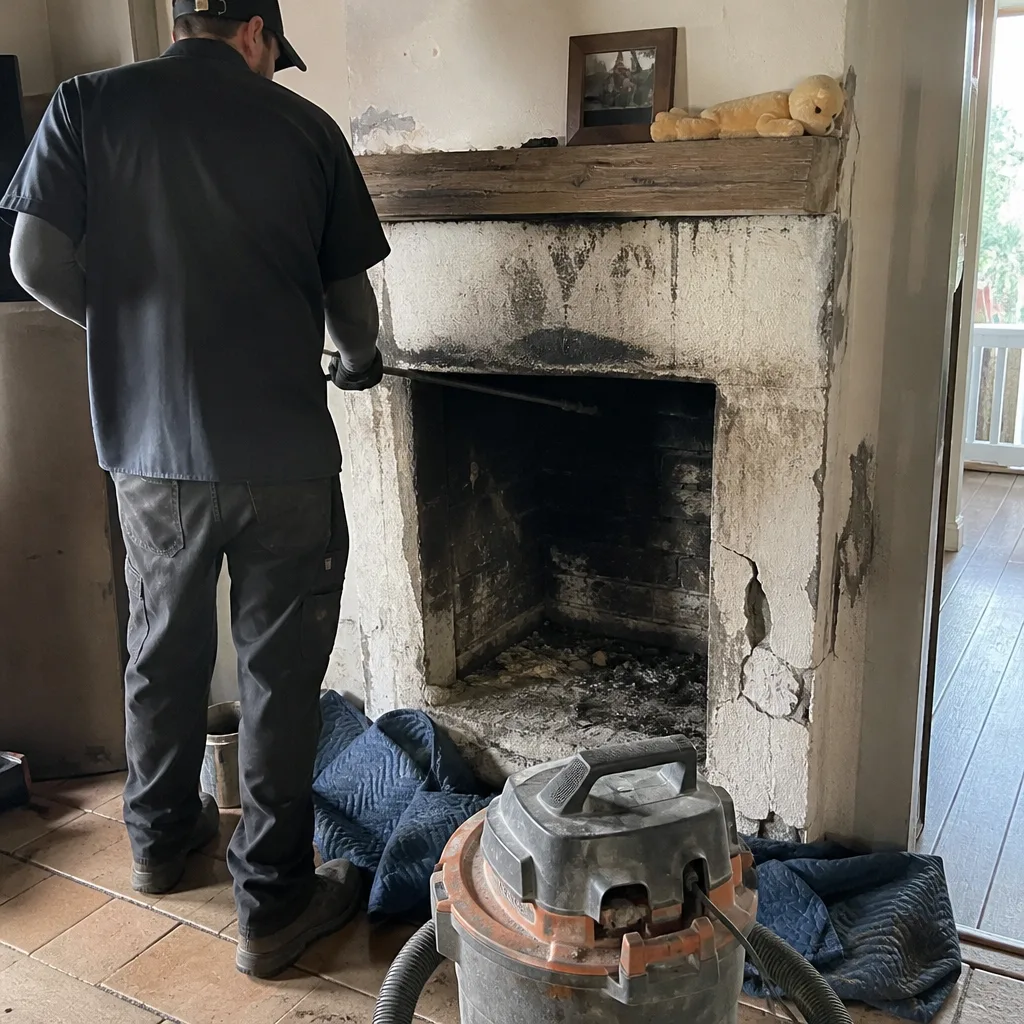 Before
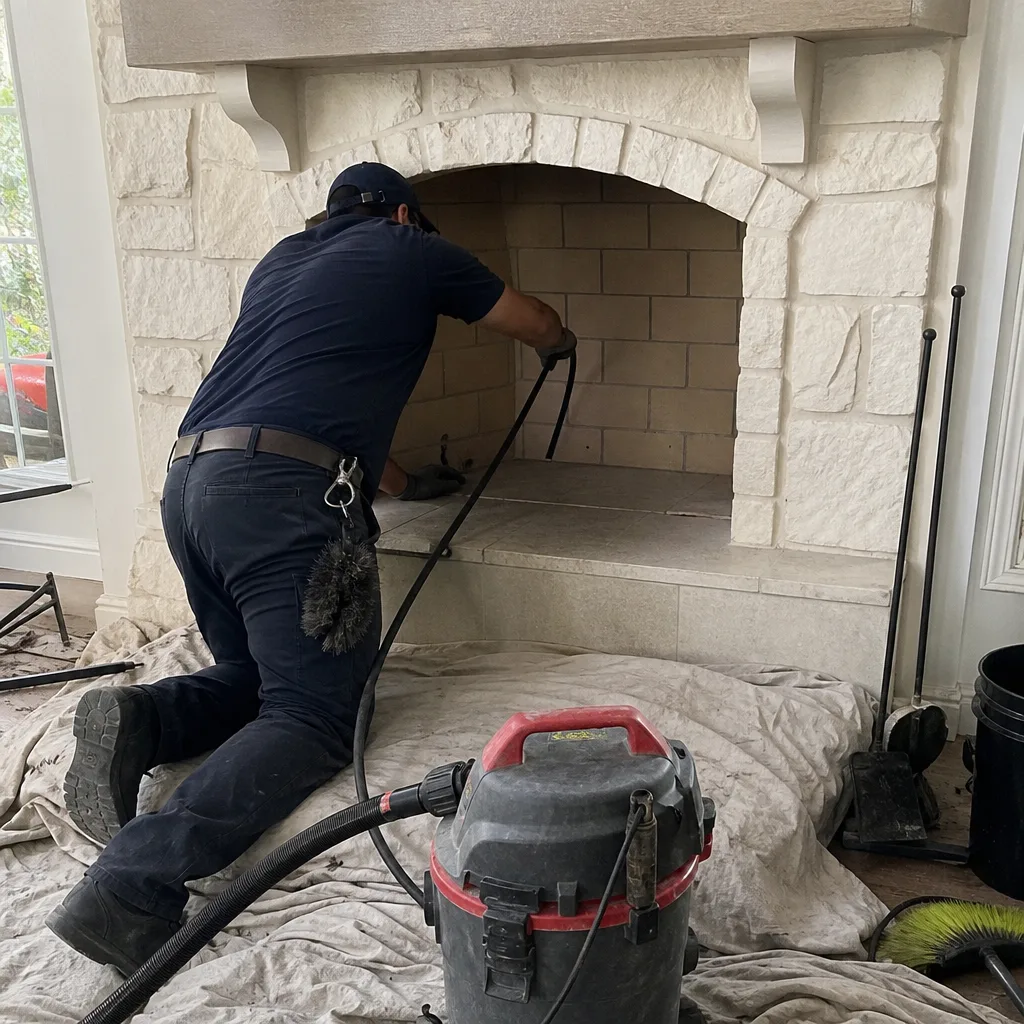 After
After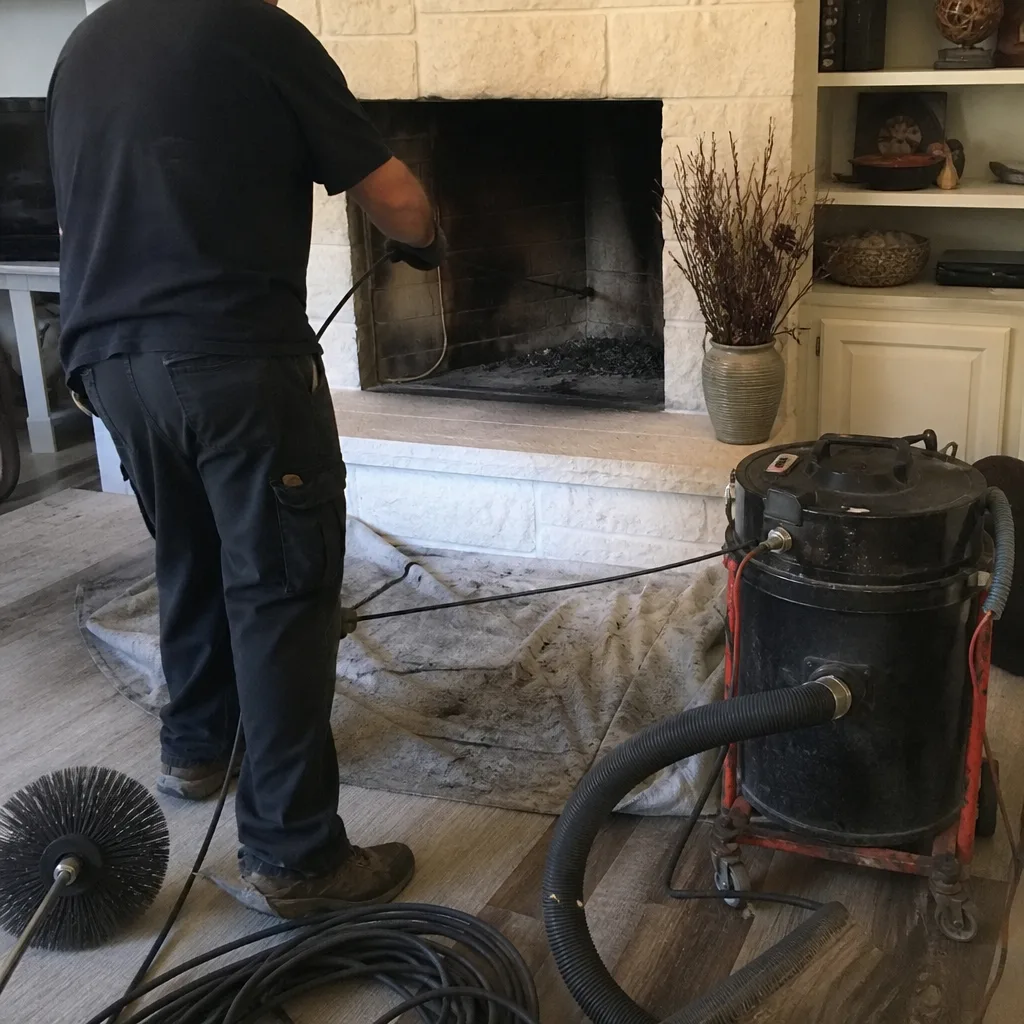 Before
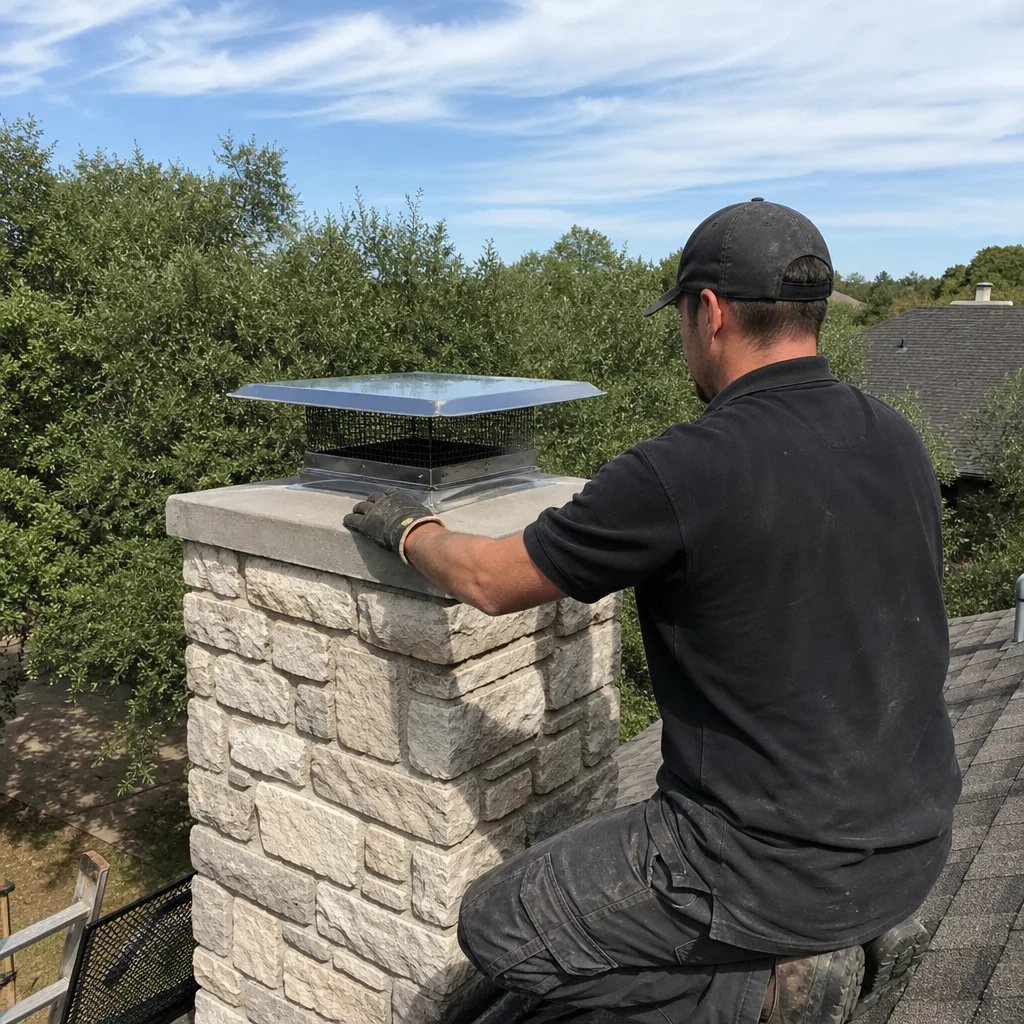 After
After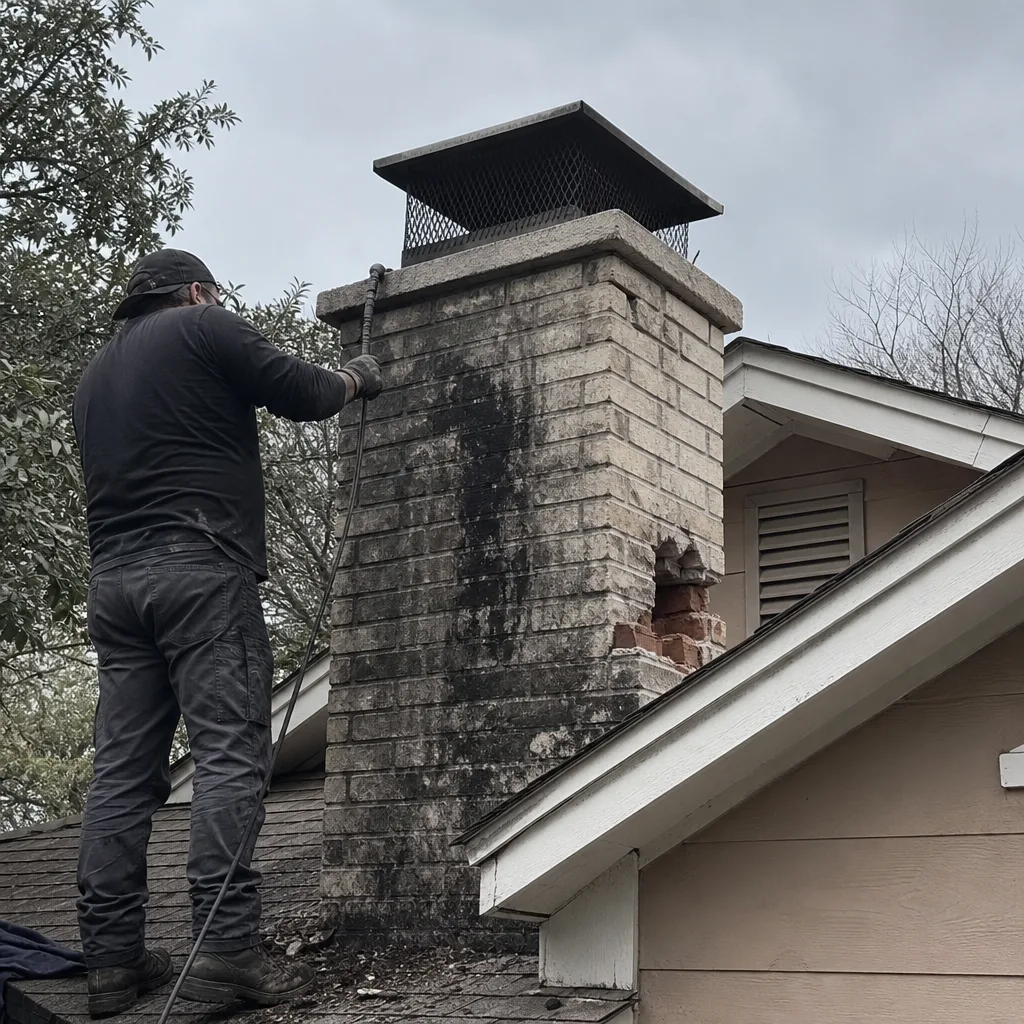 Before
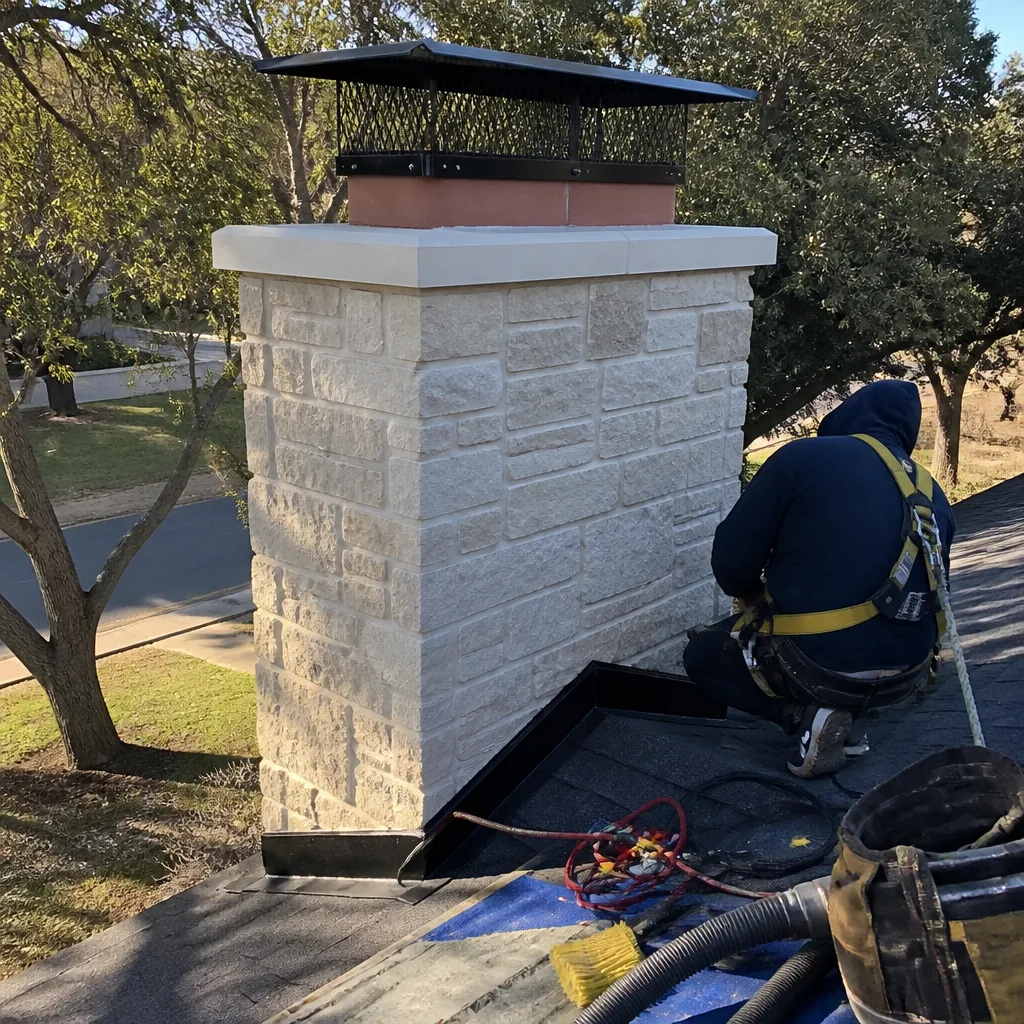 After
After