
Last updated October 15, 2026
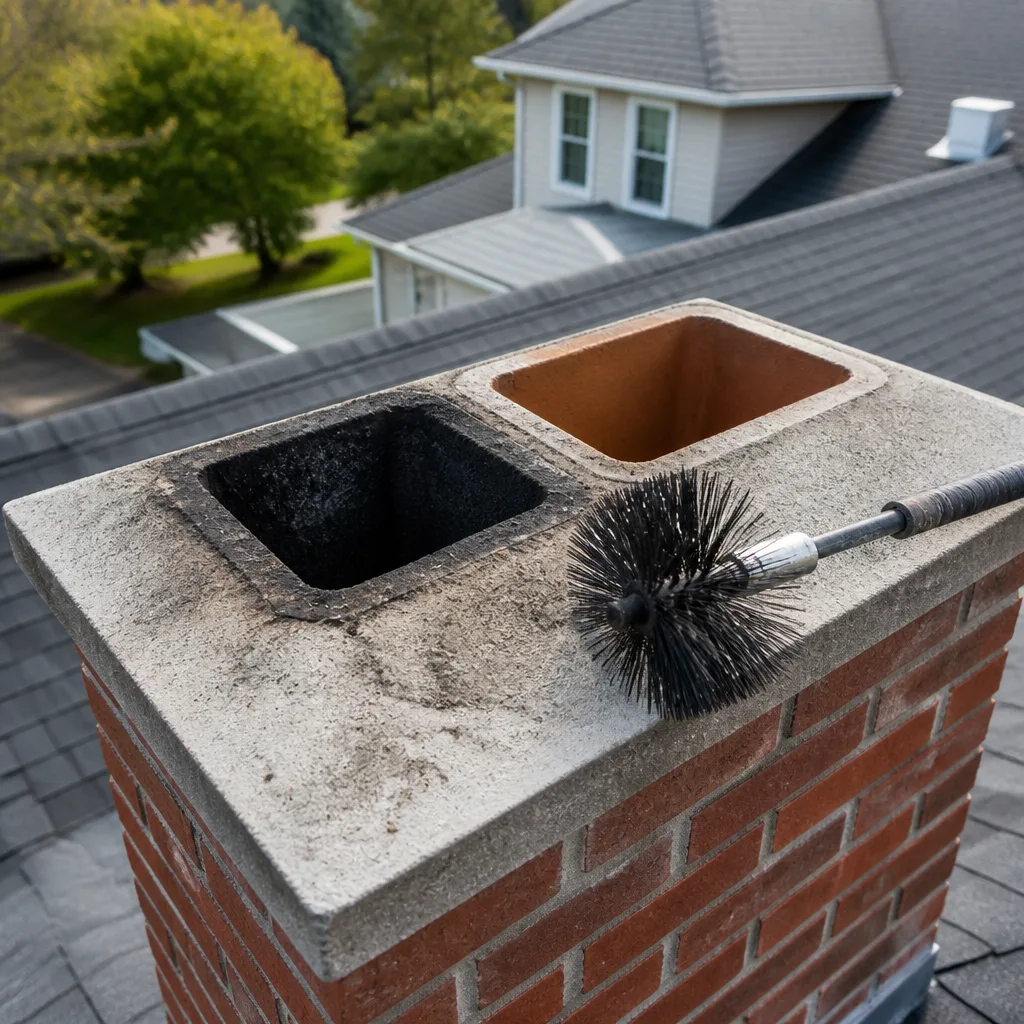 Sweep & inspection
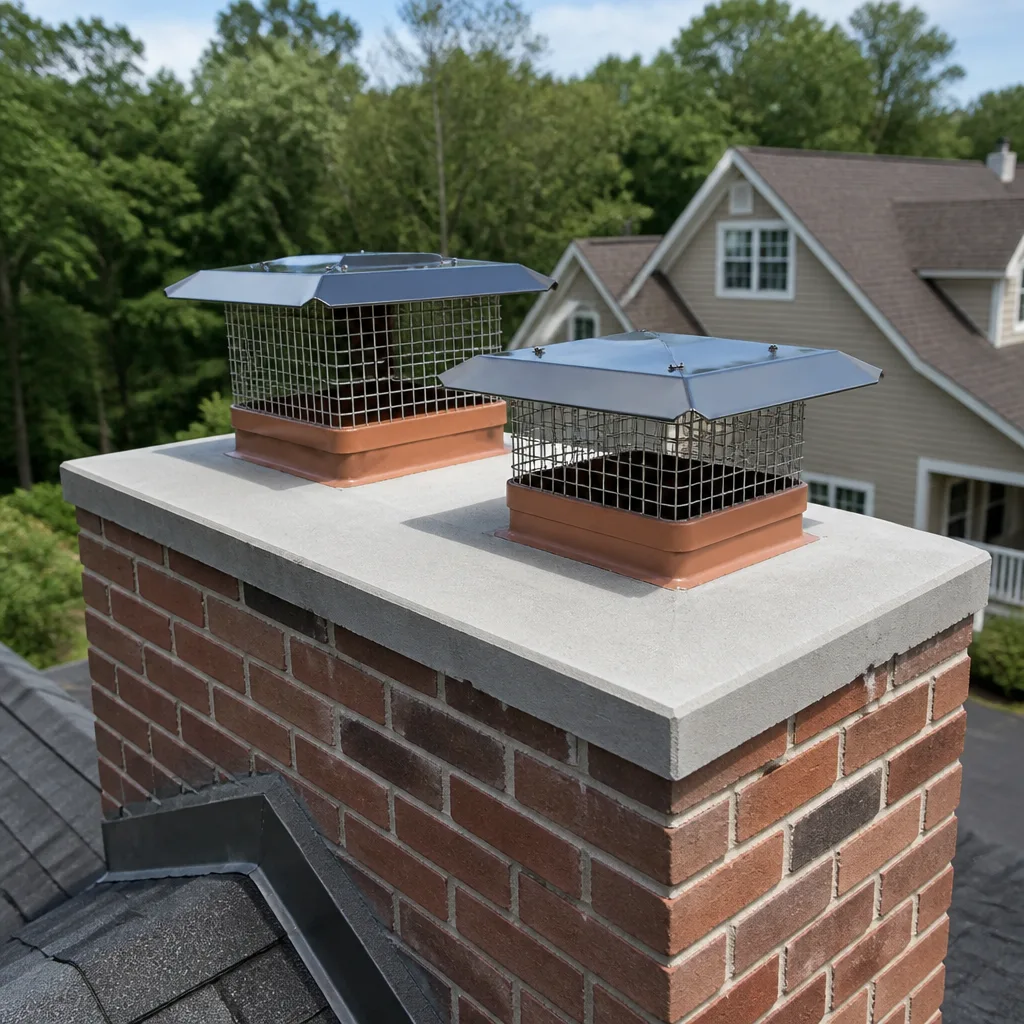 Caps & crowns
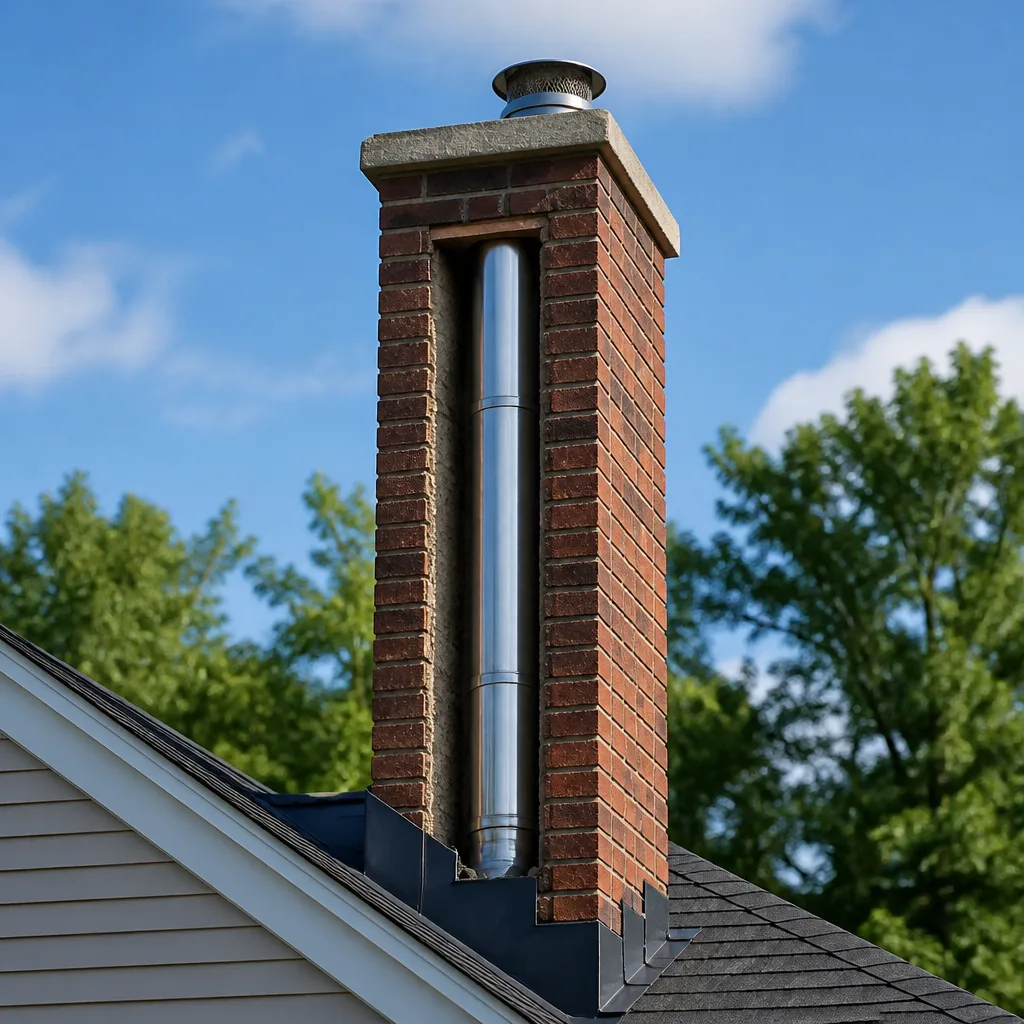 Flue relining
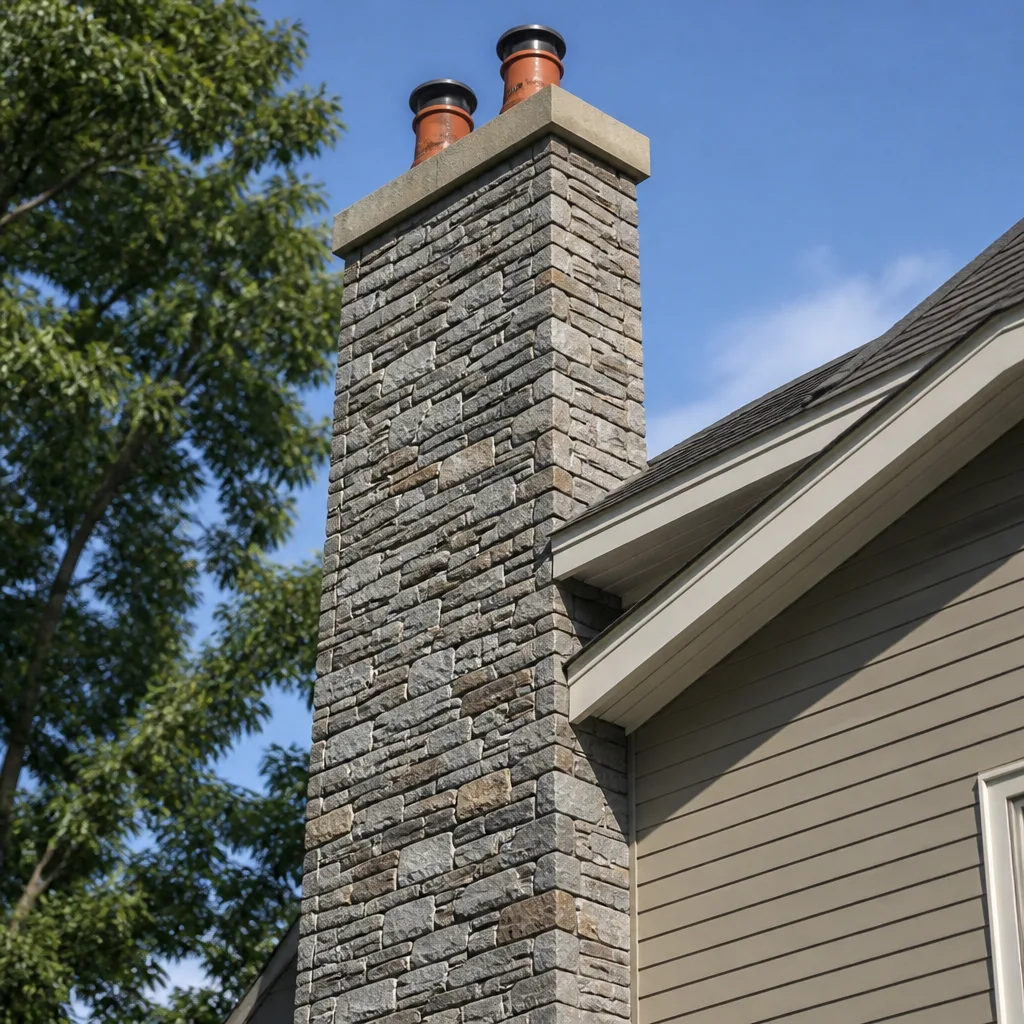 Masonry repair
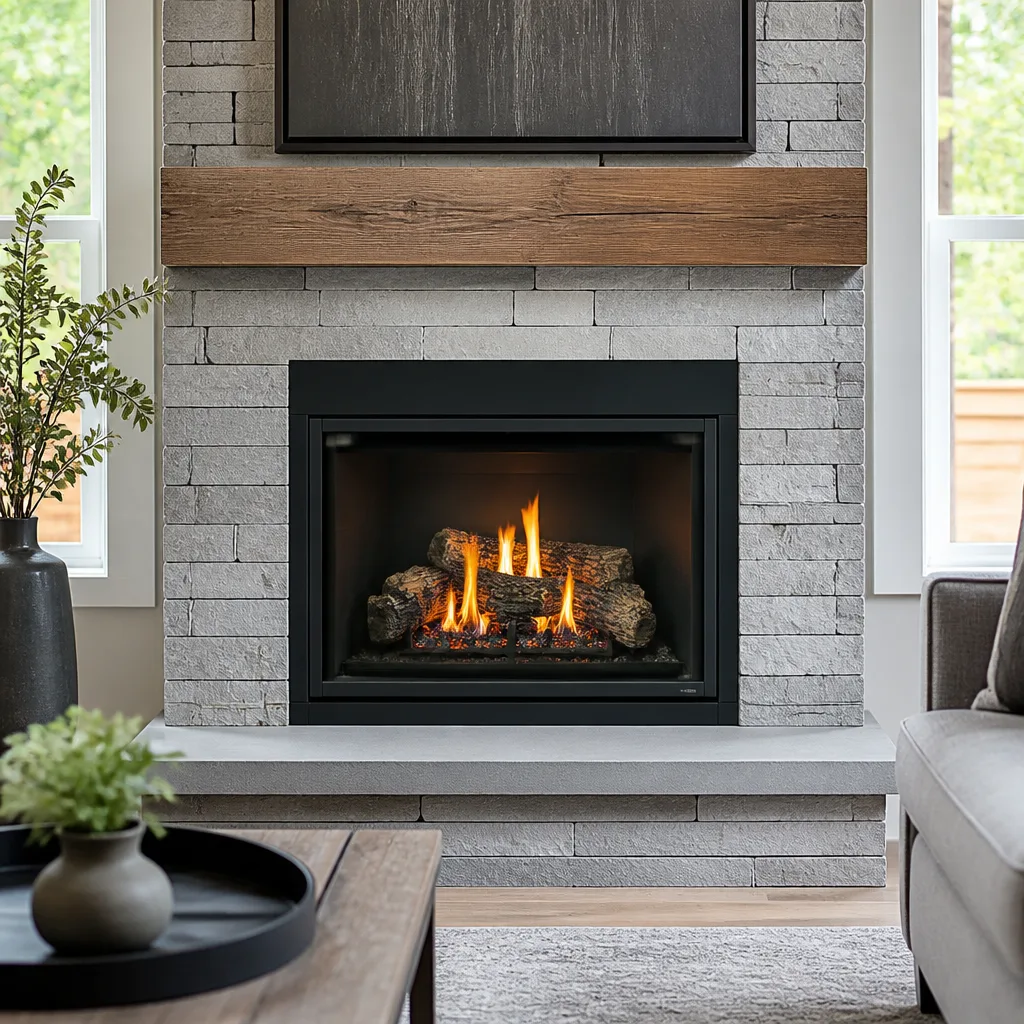 Gas fireplace service
Level 1 sweep and inspection to the NFPA 211 annual standard - flue, crown, cap, and flashing checked and photographed
Chimney sweep logs do not sweep chimneys. They loosen some creosote - which then falls where a brush and vacuum still have to collect it.
Chimney Sweep Maintenance Checklist for Austin Homeowners
The Chimney Safety Institute of America estimates that 85% of residential chimney fires are preventable, yet the checklists most Austin homeowners find online stop at “schedule an annual cleaning” and leave out the part that actually matters: what to verify when the technician climbs down from the roof. A real maintenance checklist assigns responsibility. It tells you which tasks are yours, which belong to a pro, what documentation proves the work happened, and which findings should stop a job cold instead of getting patched over. This guide covers all of that, and you can find more guides & resources on our blog, tailored to the way chimneys actually behave in Austin’s climate and burn season.
Styles & brands we work with
Quick Answer
A complete chimney maintenance checklist for an Austin homeowner includes three layers: tasks you do yourself (visual checks from the ground, damper movement, firebox inspection), tasks a certified sweep does annually (creosote removal, flue inspection, smoke chamber evaluation), and documentation you keep (written report, photo log, liner material confirmation). Schedule your annual Chimney Sweep services before Austin’s burning season kicks in around late October, and never accept a verbal “looks good” without photos and a written summary of what was found.
Table of Contents
- Who Does What: Owner, Tech, and Annual Pro Responsibilities
- Ground-Level Visual Checks Any Austin Homeowner Can Do
- What a Sweep Actually Covers in Austin Homes
- Documentation You Should Request and Keep
- Austin Seasonal Timing: When to Schedule Around Burn Season
- Red Flags That Should Stop a Job Mid-Service
- What Chimney Work Costs in Austin
- Common Mistakes to Avoid
- When to Call a Professional
- Frequently Asked Questions
- The Bottom Line
Who Does What: Owner, Tech, and Annual Pro Responsibilities
Most maintenance guides blur the line between homeowner duties and professional work, which leaves people either over-scrubbing a firebox they shouldn’t touch or ignoring a damper issue that a sweep would have flagged in thirty seconds. Here’s the split, laid out the way we actually explain it to customers across Austin, from Hyde Park to Circle C.
Owner responsibilities (you, monthly during burn season):
- Check the firebox floor for cracks, loose bricks, or a buildup of ash deeper than two inches.
- Open and close the damper fully and listen for grinding, sticking, or a handle that flops loose.
- Look up the flue with a flashlight and note any black, shiny, or crusty buildup on the walls. That’s creosote, the flammable tar residue that causes most chimney fires.
- Check the area around the hearth for water stains, peeling paint, or a musty smell after rain.
- Confirm the chimney cap is still visible from the ground and not tilted, rusted through, or missing entirely.
Technician responsibilities (the professional you hire):
- Run a full sweep of the flue using brushes sized to your liner, not a one-size-fits-all kit.
- Inspect the smoke chamber, where creosote hides even after a decent flue brushing.
- Check the flue liner for cracks, gaps, spalling, or signs the liner has separated from the masonry.
- Evaluate flashing at the roofline, the mortar crown, and the masonry for water entry points.
- Test the damper under operation and lubricate or adjust it if it binds.
- Document everything with photos and a written report.
Annual pro tasks (once per year, before burn season):
- Full flue inspection and sweep if creosote buildup exceeds 1/8 inch, the NFPA threshold for action.
- Liner video scan or camera inspection if the home is older or the liner material is unconfirmed.
- Smoke chamber cleaning, which requires specialty brushes and often gets skipped by discount sweeps.
- Chimney cap and spark arrestor inspection, including animal entry screening.
- Masonry and crown evaluation for Austin-specific issues like thermal expansion cracking from our hot summers.
We’ve seen Austin homes where the owner dutifully swept the firebox every month but never once opened the damper, and homes where a discount sweep brushed the flue and skipped the smoke chamber entirely. The split above exists so you never pay for work you can do yourself, and never trust a verbal summary for work you paid a professional to document.
Ground-Level Visual Checks Any Austin Homeowner Can Do
You don’t need a ladder to catch most problems early. From the ground or a step stool, there are four checkpoints that reveal whether a chimney needs a closer look. We recommend running through these at the start of every burn season and once mid-winter.
1. Smoke chamber staining. Shine a bright flashlight up from the firebox and look at the angled walls just above the damper. If you see dark brown or black streaking that won’t wipe away easily, that’s creosote condensation. In Austin homes that burn oak or pecan from local suppliers, we regularly find glazed creosote here even when the flue itself looks okay from a distance.
2. Damper handle movement. A damper that opens but won’t close, or closes with a loud clank, is a sign of warping or rust. Austin’s humidity swings mean a damper left open through a wet spring rusts faster than one kept closed. Check the movement before your first fire, not after.
3. Firebox floor cracks. Look for cracks wider than a dime, especially near the back wall where the firebox meets the flue. Hairline cracks are normal in older masonry, but a widening gap or a brick that shifts when pressed is a structural flag. Austin’s clay-heavy soil expands and contracts between wet and dry seasons, which can put stress on masonry fireboxes in slab-foundation homes.
4. Chimney cap visibility. Stand at the curb and look at the top of the chimney. If the cap is tilted, rusted, or missing, rain has a direct path into the flue. Austin gets about 34 inches of rain a year, most of it in spring and fall, so an uncapped chimney during a Hill Country thunderstorm is a fast track to water damage inside the flue.
These checks take five minutes and cost nothing. They are not a substitute for a professional sweep, but they tell you when to book one and what to point out when you do. If you see any of the issues above, call a professional for a full inspection before lighting a fire. For a more detailed look at what a professional sweep includes, see our guide to Chimney Sweep in Austin.
What a Sweep Actually Covers in Austin Homes
A chimney sweep is not just brushing soot out of a tube. For a deeper look at what thorough cleaning involves, see our The Complete Guide to Chimney Cleaning in Austin. The useful work happens before and after the brushing, during the inspection and documentation phases. Here’s what a competent sweep in Austin should include, in the order it should happen.
Step 1: Pre-sweep inspection. The technician checks the flue from top and bottom, notes the liner material and condition, and confirms whether animals have nested, whether the cap is intact, and whether the smoke chamber needs attention. This is when a good tech tells you what they found before they start, not after.
Step 2: Flue brushing. Using brushes sized to your liner diameter, the tech removes creosote in all three stages: flaky (stage one), crusty (stage two), and glazed (stage three). Glazed creosote, which looks like black glass and is common in chimneys burned low-and-slow, often requires chemical treatment or rotary tools.
Step 3: Smoke chamber cleaning. This is the area above the damper and below the flue, and it accumulates more creosote per square inch than any other part of the chimney. A sweep that skips this has done maybe 60% of the job. Ask explicitly whether smoke chamber cleaning is included.
Step 4: Liner evaluation. The flue liner is the barrier between fire heat and your home’s framing. Clay tile liners crack over time. Austin’s freeze-thaw cycles, mild as they are, still cause expansion and contraction in the masonry that surrounds the liner. If the liner shows cracks or gaps, the sweep should document it and recommend next steps, not ignore it to keep the appointment short.
Step 5: Post-sweep report. You get photos, a written summary, and any recommendations. No verbal-only “all good.” Hadley Chimney Austin documents every visit with before-and-after photos as part of The Relay Visibility Guarantee, so you see exactly what was found and what was done. That’s the standard we think every chimney company in Austin should meet.
If you’ve had a sweep done in the past and received nothing but a receipt, you didn’t get the full job. Call us and we’ll show you what a full inspection looks like.
Documentation You Should Request and Keep
Chimney maintenance records matter for three reasons: insurance claims, home resale, and warranty enforcement. An Austin homeowner who keeps a clean paper trail can prove the fireplace was maintained, which protects you if a fire occurs and the insurer asks questions. Here’s what to request and store.
Written inspection report. Every professional sweep should produce one. It lists what was found, what was done, and what the tech recommends. If you’re handed a receipt with no report, ask for the report. If they don’t produce one, find a different company next time.
Photo log. Before-and-after photos of the flue, smoke chamber, and firebox. A phone camera held at the flue opening documents what a written report can’t. Hadley includes photo documentation on every visit, not just repair jobs.
Liner material confirmation. Your report should state whether your liner is clay tile, stainless steel, or cast-in-place, and what condition it’s in. This matters because repair recommendations depend entirely on liner type. A cracked clay tile liner in an Austin home built in the 1980s may be a candidate for a HeatShield resurfacing, while a damaged stainless liner might need partial replacement. Without liner documentation, you can’t evaluate any repair quote you’re given.
Creosote thickness measurement. NFPA 211 says any creosote accumulation over 1/8 inch requires removal before further use. Your report should note the thickness found and confirm it was reduced to a safe level.
Written price confirmation. Hadley’s policy is a written price before any work starts, every time. If a company balks at putting a price in writing before climbing onto your roof, that’s a signal to call someone else. The estimate should match the invoice, and any add-on work should be approved by you in writing before it happens.
Keep these records in a folder or cloud drive, dated by service. When you sell your Austin home, a documented maintenance history is a selling point. When the insurance adjuster calls, it’s your protection.
Austin Seasonal Timing: When to Schedule Around Burn Season
Austin doesn’t have a chimney season the way Boston or Chicago does. We burn in a window from late October through early March, with the heaviest use concentrated in December and January, and the occasional cold snap scattered through spring. That compressed schedule creates two practical timing rules.
Book your annual sweep in September or early October. Sweeps in Austin fill their calendars fast once the first cold front hits, and you don’t want to be the homeowner whose first fire of the season reveals that a squirrel built a nest in the flue over the summer. September and early October are warm enough for outdoor work, and you’ll have your pick of appointment times before the rush. Hadley books sweeps year-round, but the pre-season window is when most smart Austin homeowners schedule.
Never burn after a long dormant season without checking the cap. Austin’s mild springs and hot summers mean chimneys sit unused for six to eight months every year. Birds, squirrels, and wasps all find uncapped or damaged chimneys during that window. A quick visual check of the cap from the ground, plus a flashlight look up the flue, takes five minutes and prevents the unpleasant experience of a smoke-filled living room on the first cold evening in November.
Don’t schedule masonry repairs in spring storm season. If your sweep finds cracks in the crown or gaps in the flashing, schedule the repair work outside the March-to-May storm window. Austin thunderstorm season makes roof work dangerous and delays inevitable. September and October are ideal for repairs as well as sweeps, because the weather is dry enough for masonry sealants to cure properly.
We’ve also noticed a pattern in Austin: homeowners in older central neighborhoods like Travis Heights and Bryker Woods tend to have more masonry issues than newer builds in the suburbs, simply because the homes have been through four decades of Texas heat and rain. If you’re in an older home, book the sweep a little earlier and budget an extra visit for potential repair follow-up.
Red Flags That Should Stop a Job Mid-Service
This section is uncomfortable, but it needs to be written. Some issues found during a sweep are maintenance items. Others mean the chimney is unsafe to use until further inspection, and no amount of brushing fixes them. A responsible technician stops the job and tells you, even if it means the appointment runs long or the news costs you money. Here are the red flags that should halt work.
Cracked flue liner with visible gaps. If the liner has cracks wide enough to see through, or pieces of clay tile have fallen into the flue, the chimney is not safe to burn. Heat can reach combustible framing through those gaps. A liner in this condition needs repair or replacement before the next fire, not after.
Structural masonry movement. A chimney that leans, shows stair-step cracking in the brick, or has a visibly separated crown is a structural issue, not a maintenance one. In Austin’s expansive clay soil, foundation movement can telegraph up through the chimney. The answer here involves a structural assessment, not a patch job.
Smoke staining in the attic or upper floor. If there are smoke marks around the ceiling near the chimney chase, or you smell smoke in an upstairs room during a fire, the flue may be leaking into the home envelope. This is a carbon monoxide risk. Stop burning immediately and have the flue pressure-tested and inspected.
Animal nesting that extends into the flue. A nest right at the top can be removed. A nest that fills a significant length of the flue means the cap failed long ago and the liner may have been exposed to acidic droppings for months. The sweep should remove what’s safe to remove, then inspect the liner for etching and recommend cleaning or repair.
Any sign of water inside the firebox. If water pools in the firebox after a rain, or the walls are visibly damp, the crown or flashing has failed. A brushed chimney with a leaking crown is still a failing chimney, and the water damage compounds every month. The job should stop until the leak source is identified.
In our experience, a good technician says explicitly: “This chimney is unsafe to burn until X is fixed.” A bad technician says: “It’s fine, just don’t burn too hot.” If you hear the second one in Austin, call someone else. For issues that go beyond sweeping and into repair territory, see Chimney Repair in Austin for what a proper repair scope looks like.
What Chimney Work Costs in Austin
Chimney pricing in Austin runs the full range from suspiciously cheap to mortgage-payment expensive, and the spread confuses most homeowners. Here’s what we see in the current Austin market, based on the work we do and the quotes we’re asked to beat.
| Service | Typical Austin Range | What Affects Price |
|---|---|---|
| Standard chimney sweep and inspection | $180 – $340 | Liner type, creosote stage, roof access difficulty |
| Smoke chamber cleaning add-on | $75 – $150 | Often bundled, sometimes skipped; ask |
| Chimney cap replacement | $150 – $450 | Cap size, material, whether custom fabrication is needed |
| Flue liner repair or resurfacing | $900 – $3,500 | Extent of damage, HeatShield vs. replacement liner |
| Full stainless liner installation | $2,500 – $6,000 | Flue height, access, whether the old liner must be removed |
| Crown repair or reseal | $400 – $1,200 | Crown size, crack severity, whether rebuilding is required |
These are ballpark figures for Austin’s market, not quotes. Austin’s cost of living pushes chimney labor rates higher than the national average, and the city’s mix of older central bungalows and newer suburban builds means a wide range of chimney types on any given street. A sweep that costs $199 is probably a flue brushing only, with no smoke chamber cleaning, no report, and no cap inspection. A sweep that costs $340 should include everything. Ask what’s in the price before you book.
Hadley Chimney Austin gives a written price before any work starts, so the number you approve is the number you pay. That’s not a special offer; it’s how we’ve done business since Cory Mitchell started the company in 2003. If you want a precise quote for your chimney, call (361) 603-5116 and we’ll talk through what your chimney likely needs. Estimates are free.
Common Mistakes to Avoid
- Skipping the smoke chamber because the flue “looks clean.” The smoke chamber collects more creosote than the flue in most Austin homes, and a flue-only sweep leaves the most dangerous part untouched.
- Burning unseasoned wood from local suppliers without checking moisture content. Austin firewood sellers vary widely in quality. Wet wood produces more creosote in a single season than dry wood produces in three. Use a moisture meter and aim for under 20%.
- Leaving the damper cracked open year-round. Austin humidity rusts dampers fast. A damper left open through spring and summer will bind or fail within a few seasons. Close it when the fireplace is cold.
- Accepting a verbal “all good” without a written report or photos. If the tech can’t show you the before and after, you’re paying for a story, not a service.
- DIY sweeping with a hardware store brush kit. A brush on a drill rod doesn’t inspect the liner, doesn’t clean the smoke chamber, and doesn’t document anything. It also creates a false sense of safety.
- Ignoring a small masonry crack because “it’s been there forever.” Austin’s wet-dry cycles widen cracks every year. A hairline crack in 2020 is a water entry point in 2025.
- Booking a sweep during the first cold snap of the year. You’ll wait two weeks for an appointment, and you’ll compete with every other Austin homeowner who did the same thing. Book in September.
When to Call a Professional
Call a professional for anything on the annual list that you can’t verify yourself: flue brushing, smoke chamber cleaning, liner inspection, cap replacement, crown repair, and damper service. Also call immediately if you see smoke entering the home during a fire, smell smoke in an upstairs room when the fireplace is active, find water in the firebox after rain, or notice a sudden increase in creosote buildup on the firebox walls. Hadley Chimney Austin home offers free estimates in Austin, and every estimate includes a written price before work starts. Call (361) 603-5116 to book an inspection, or visit our Gas Fireplace Repair in Austin page if your gas fireplace is the one showing problems.
Frequently Asked Questions
A standard chimney sweep and inspection in Austin typically costs between $180 and $340, depending on liner type, creosote stage, and roof access. The low end often skips the smoke chamber; the high end usually includes it. Call (361) 603-5116 for an exact quote based on your chimney, free of charge.
Once per year, before burn season, is the NFPA minimum for wood-burning fireplaces in Austin. If you burn more than two cords of wood per season, or if you burn soft woods like pine, consider a mid-season check in January as well.
Only if the existing liner is cracked, separated, or so deteriorated that heat can reach combustible framing. A camera inspection tells you for sure. Some cracked clay tile liners can be resurfaced with HeatShield ceramic compound instead of full replacement, which saves thousands. Get the camera report before approving any liner work.
Creosote keeps accumulating, and glazed creosote from low-temperature fires becomes harder to remove with standard brushes. Skipping one year may not cause a fire, but it doubles the cleaning labor next year and gives animals a full year to nest in an uncapped flue. The risk compounds silently.
You can remove surface soot from the firebox, but you cannot safely or effectively clean the flue or smoke chamber from inside the home without professional equipment. For help deciding what’s safe to handle yourself, read our DIY vs Professional Chimney Cleaning: The Austin Homeowner’s Decision Guide. A hardware store brush kit doesn’t inspect, doesn’t document, and doesn’t address the smoke chamber. The safety risk comes from a false sense of security after a partial job.
A proper inspection includes photos of the flue from top and bottom, a smoke chamber evaluation, a damper test, a cap and spark arrestor check, a masonry and crown review, and a written report. Hadley documents every visit with photos as part of The Relay Visibility Guarantee, so you see what the tech saw. Call (361) 603-5116 for an inspection appointment.
The Bottom Line
An Austin chimney maintenance checklist fails if it’s just a list of tasks with no ownership, no verification, and no local timing. You need three things: clarity about which tasks are yours and which are a pro’s, documentation that proves the work happened, and a schedule that aligns with Austin’s October-to-March burn window. Run the ground-level checks monthly, book the annual sweep in September, and never accept a verbal summary when photos and a written report should exist. Hadley Chimney Austin has done it this way since 2003, with written pricing, photo documentation, and a 365-day guarantee on every repair. If you’re ready to see your chimney the way a technician sees it, call (361) 603-5116 and we’ll walk you through it.
Written by Cory Mitchell, Owner at Hadley Chimney Austin, serving Austin since 2003.
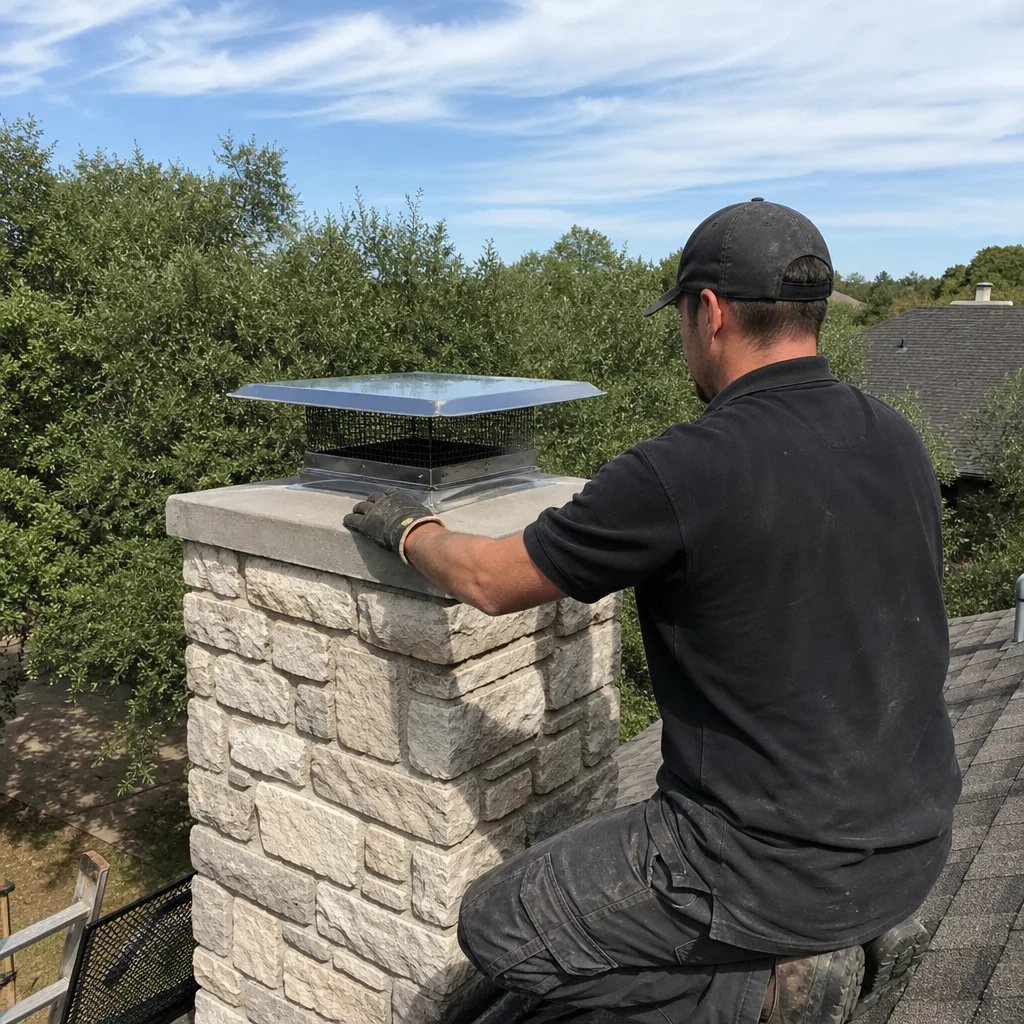
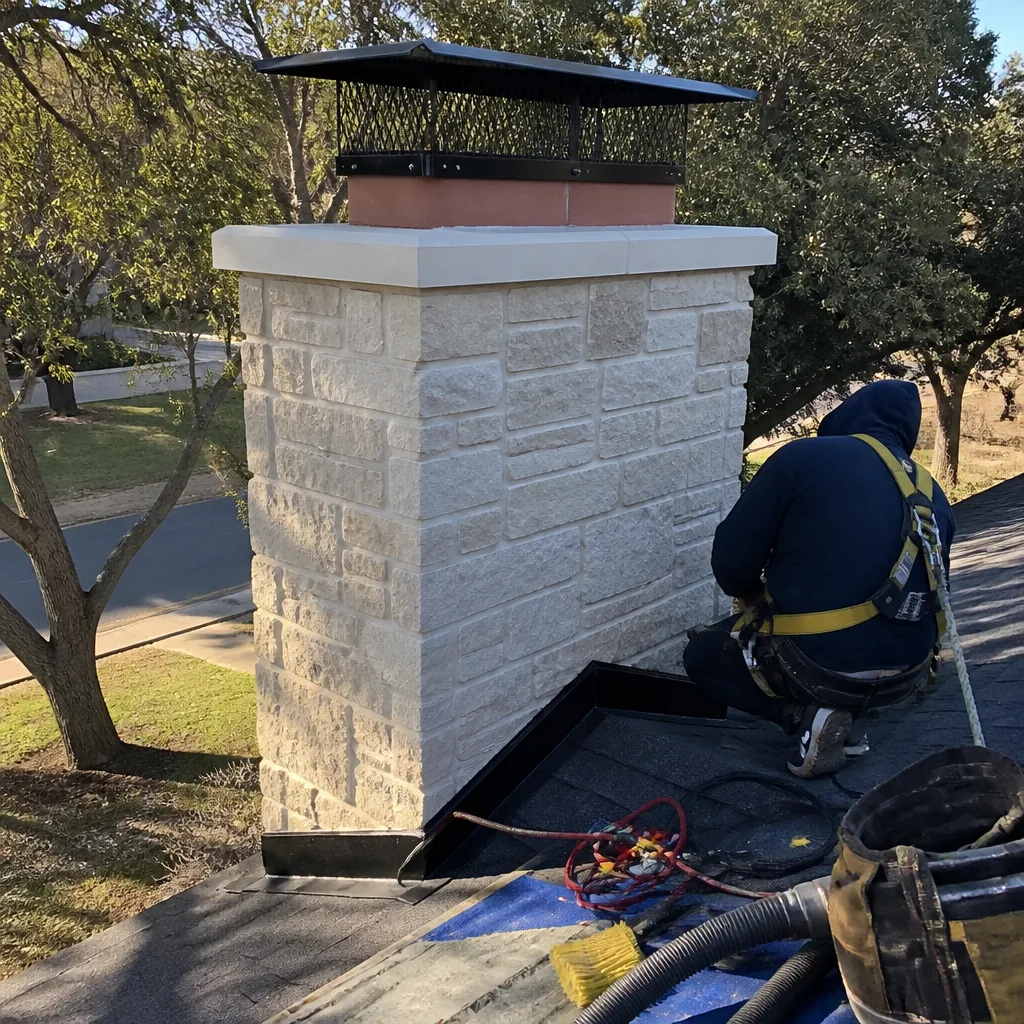
See the difference
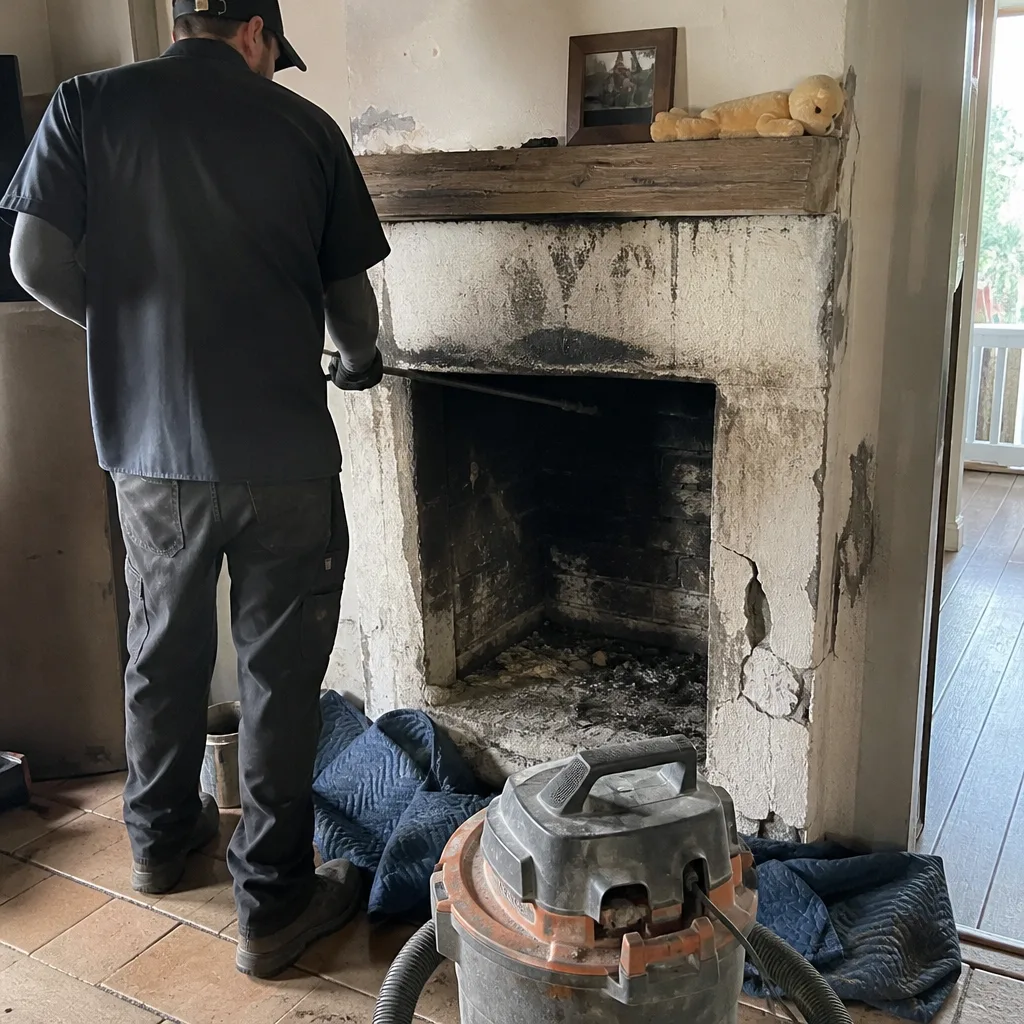 Before
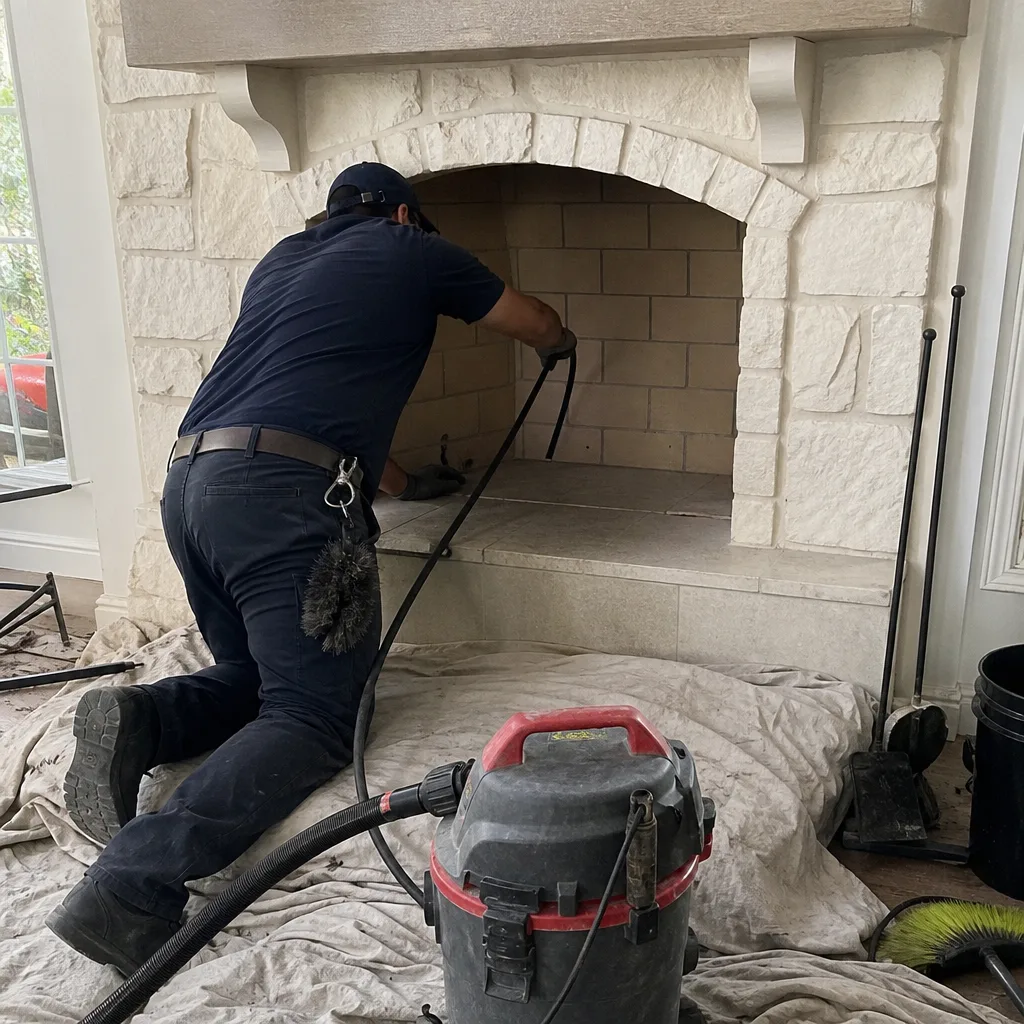 After
After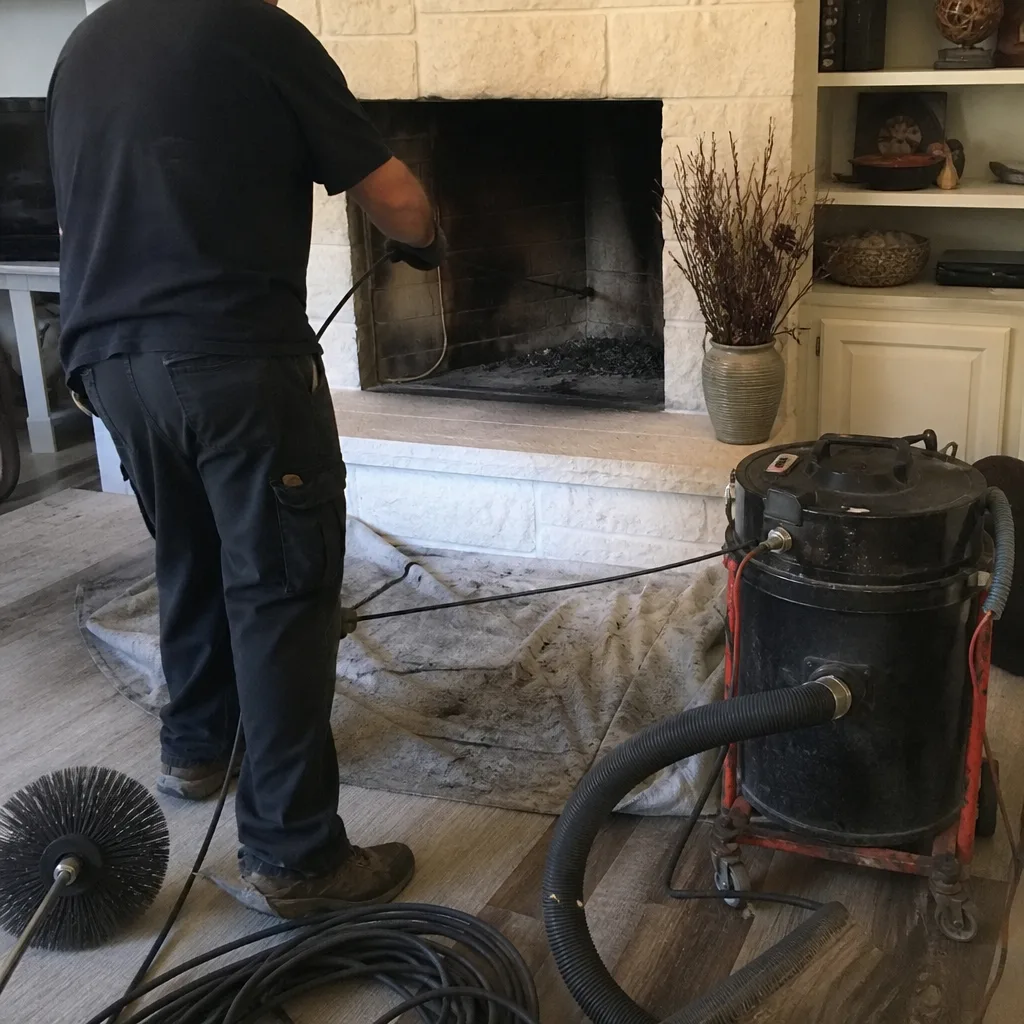 Before
 After
After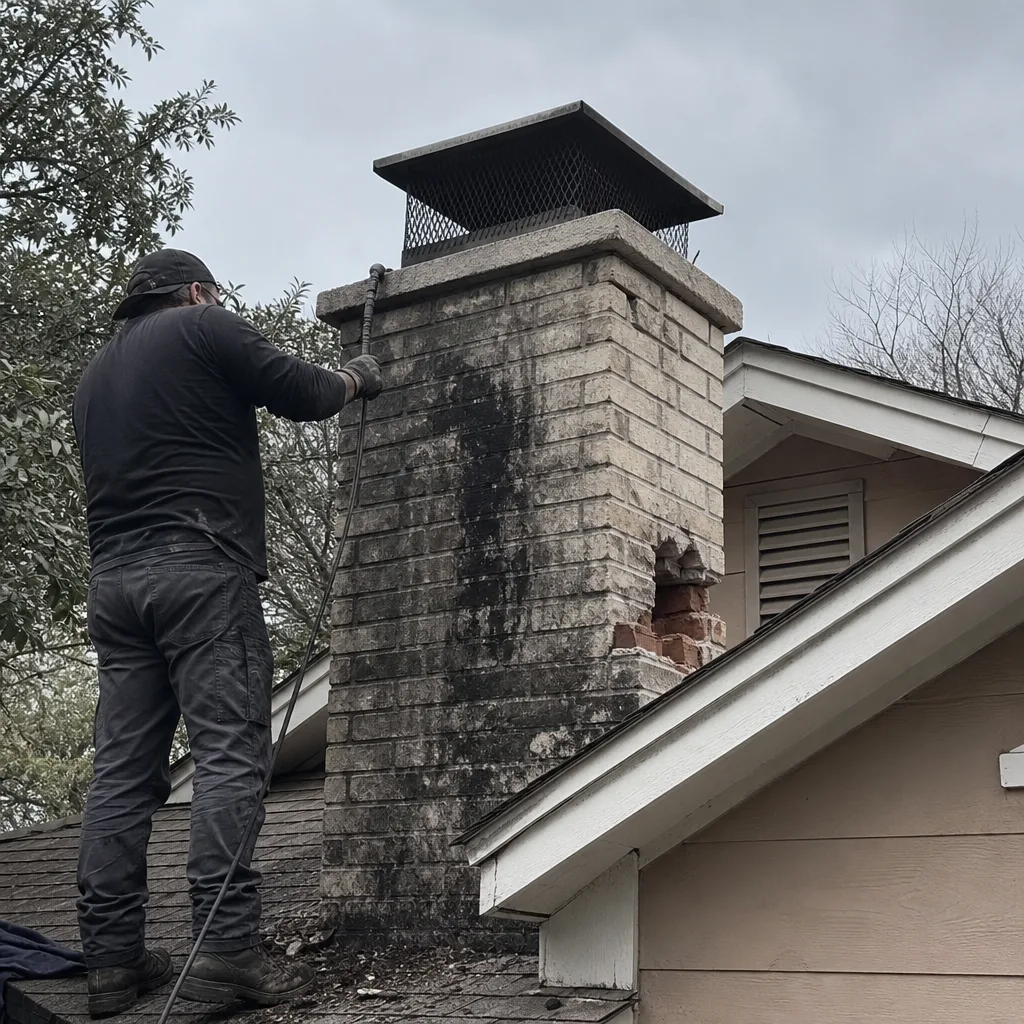 Before
 After
After