
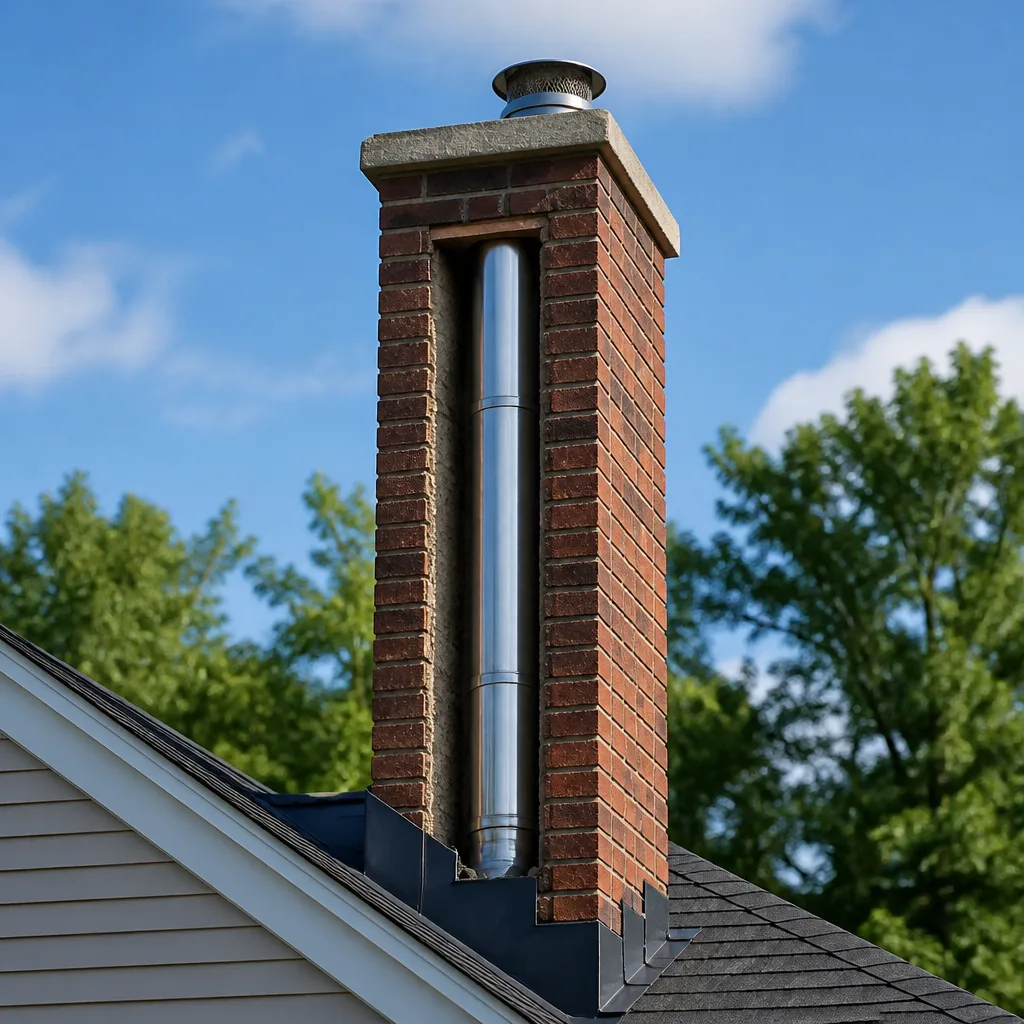
 Flue relining
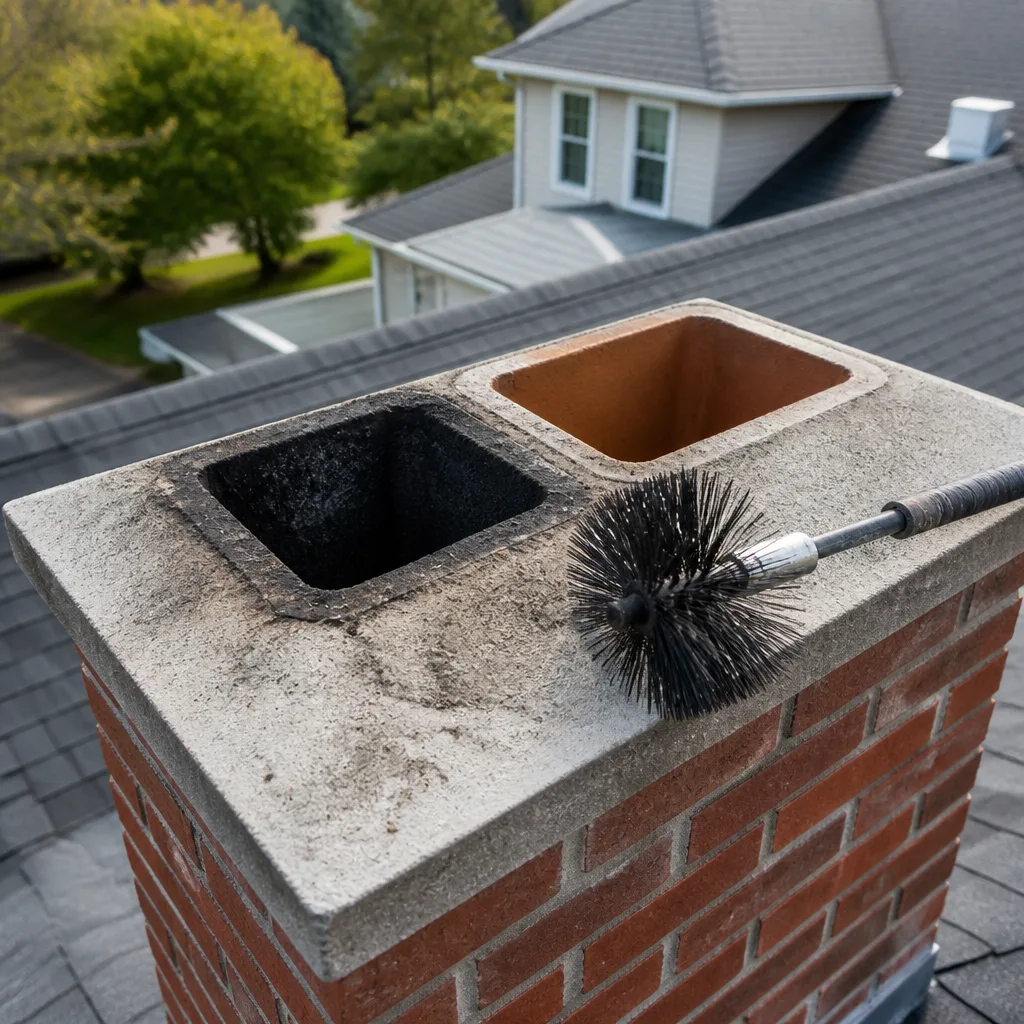 Sweep & inspection
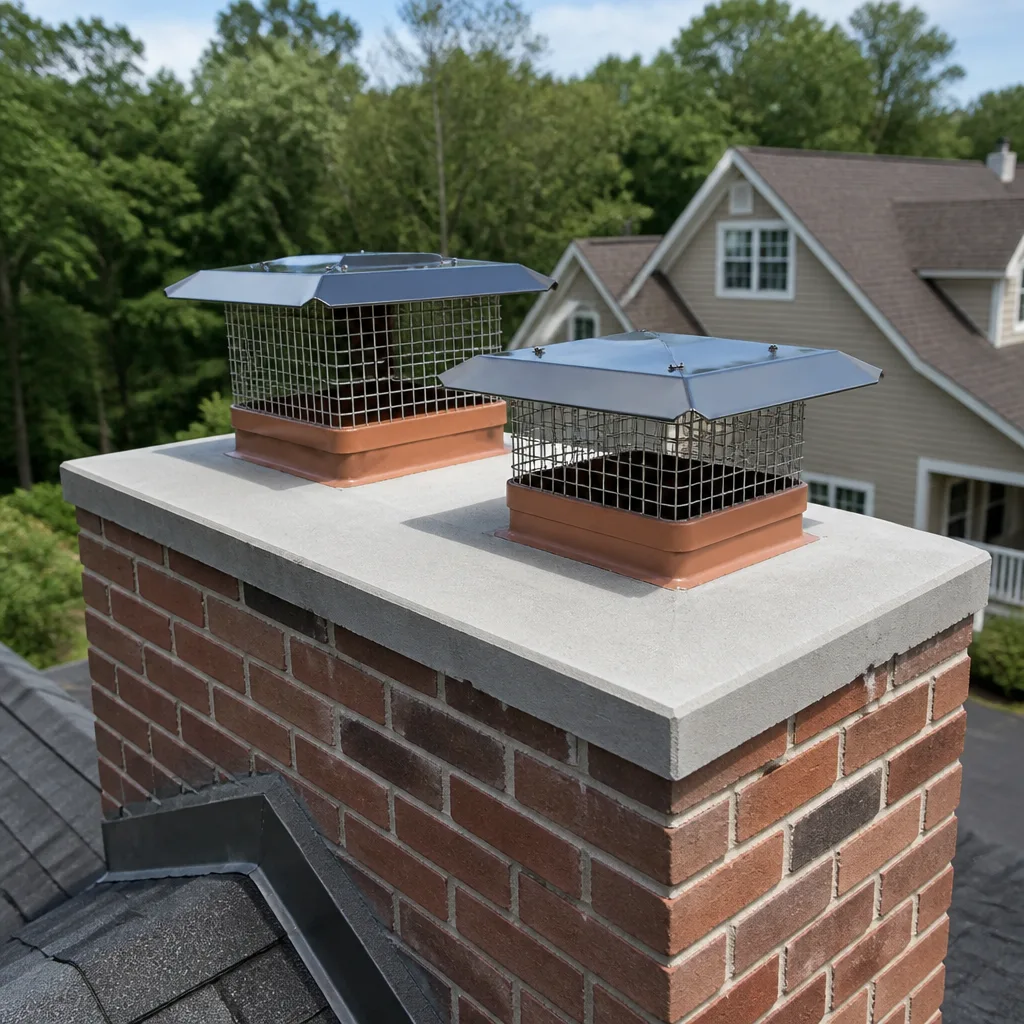 Caps & crowns
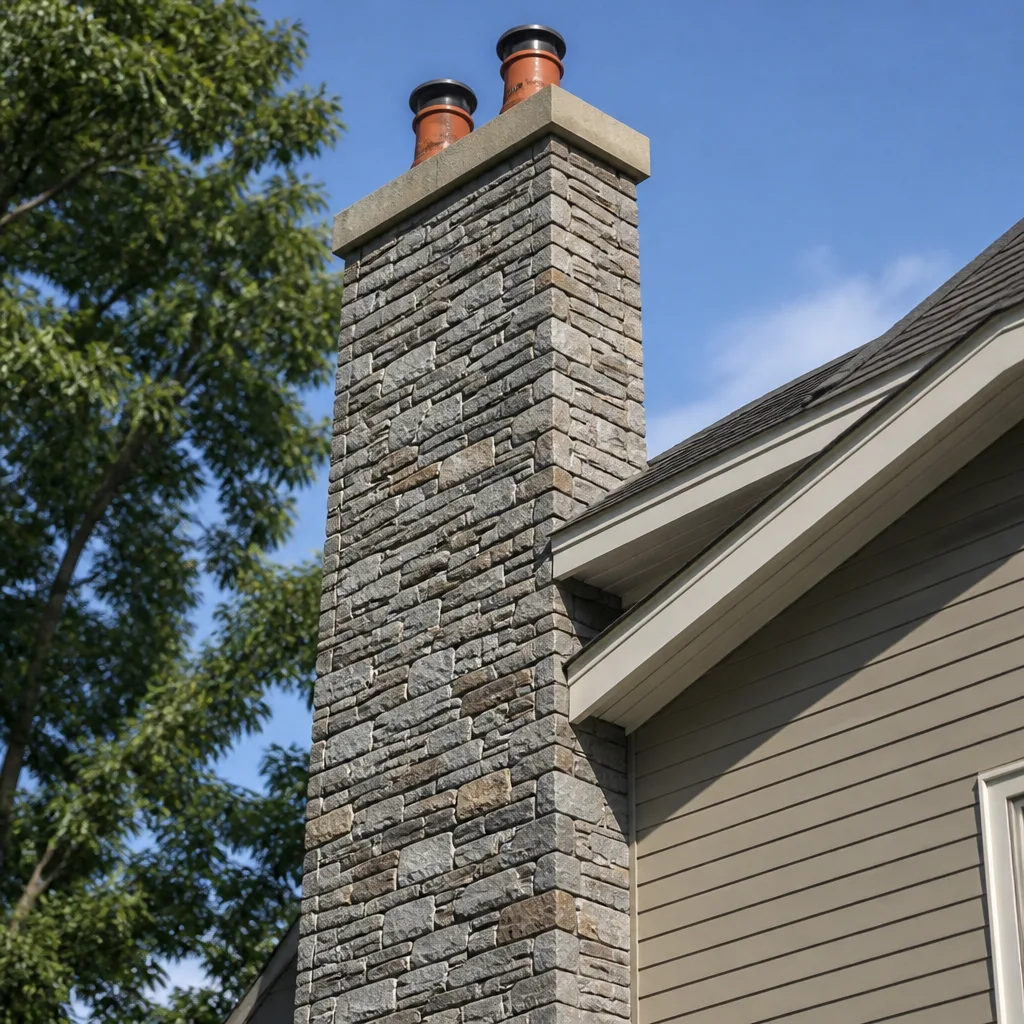 Masonry repair
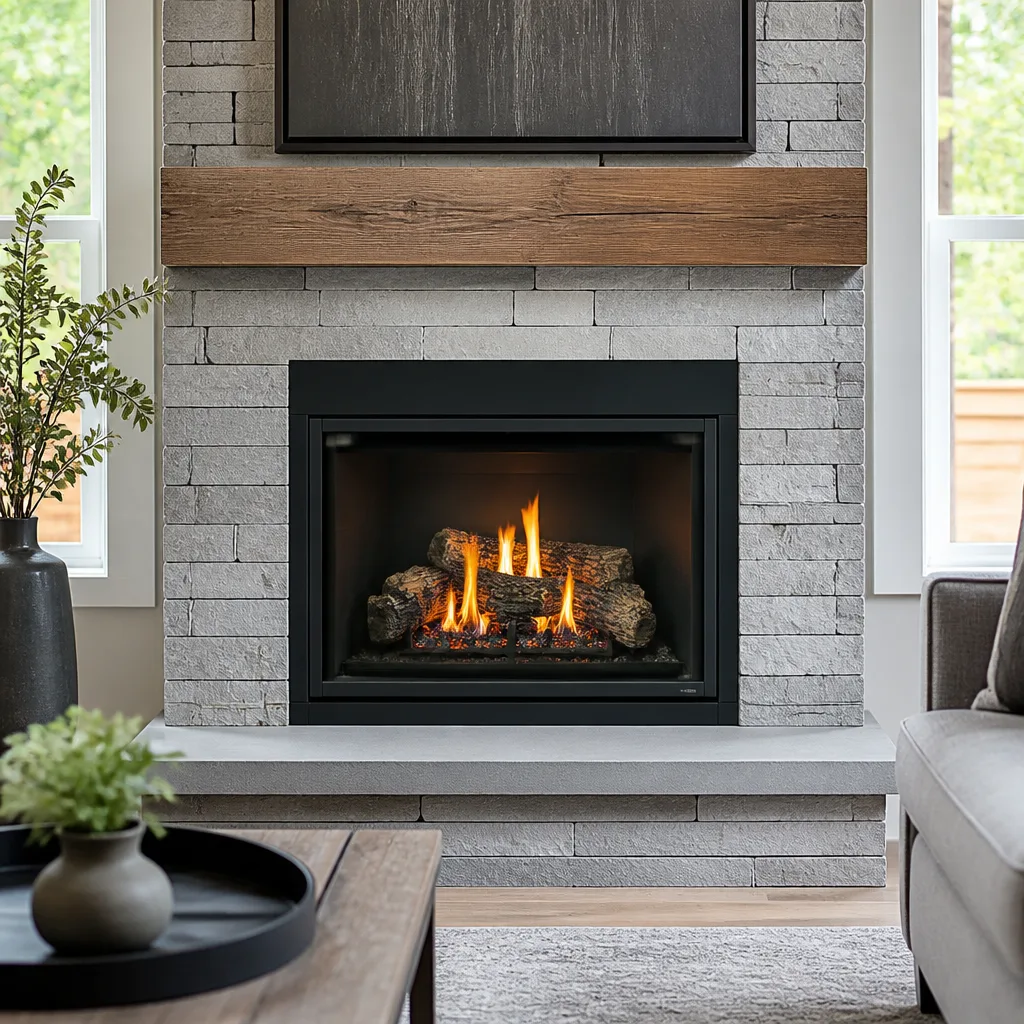 Gas fireplace service
Level 1 sweep and inspection to the NFPA 211 annual standard - flue, crown, cap, and flashing checked and photographed
Chimney sweep logs do not sweep chimneys. They loosen some creosote - which then falls where a brush and vacuum still have to collect it.
HeatShield Flue Liner Replacement: The Austin Owner’s Guide
A HeatShield flue liner replacement in Austin typically runs $1,800 to $3,400 installed, depending on the liner length, chimney height, and whether the existing HeatShield coating needs full removal first. We stock HeatShield materials on our trucks and can usually complete the liner replacement within one visit to most Austin neighborhoods, including Hyde Park, Tarrytown, Mueller, and Circle C. Most homeowners discover their HeatShield liner has failed when they notice flaking ceramic material at the base of the firebox, smell something acrid during a fire, or have a sweep or inspection flag it with camera footage.
Here’s the thing about HeatShield that most pages won’t tell you: it’s a cerfied resurfacing system, not a structural liner. HeatShield is a ceramic coating applied to the inside of an existing flue to seal cracks and gaps. When the underlying masonry shifts or the coating delaminates, you’re not just replacing a liner – you’re addressing why the coating failed in the first place. In Austin, that’s usually clay tile deterioration from years of temperature swings and moisture intrusion, especially in older homes around Brentwood and Allandale where original clay liners are hitting the 40-50 year mark.
Key Takeaways
- HeatShield flue liner replacement in Austin: $1,800 – $3,400 installed
- We stock HeatShield materials on the truck for most common flue sizes
- Camera inspection is included before any recommendation, so you see exactly what we see
- Written price before work starts, every time, no exceptions
- Every repair carries a 365-Day Done Right Promise, in writing
Which HeatShield Models This Applies To
HeatShield is manufactured by SaverSystems and comes in two application systems: the CeCure (cementitious) and the Cerfractory (ceramic refractory) line. Both are applied as a spray or trowel coating, not a rigid liner. The Cerfractory system is the more common one we see in Austin homes built after 1990, while CeCure was the earlier generation still present in many 80s-era chimneys. Your chimney’s HeatShield application will have a data plate or label typically located in the firebox or on the damper frame, listing the system type, applicator, and date.
The compatibility issue most Austin homeowners run into: HeatShield is an applicator-installed system, meaning the coating was put in by a certified installer, not shipped as a pre-formed liner. If the coating has failed, you can’t just order a “replacement HeatShield liner” off a shelf. What you’re actually replacing is either the entire flue system with a new application or, more commonly, transitioning to a structural liner like a DuraFlex stainless steel system that doesn’t rely on the existing masonry holding up. We work with both, and we’ll show you the camera footage so you can make the call with your eyes, not just our word.
Styles & brands we work with
Signs Your HeatShield Flue Liner Replacement Is Failing
- Flaking or powdering ceramic material in the firebox: The HeatShield coating is breaking down and shedding into the firebox. This is the number one sign we see, and it means the coating has lost its bond to the underlying flue. The flakes are usually off-white or gray and crumble when touched.
- Visible cracks or spalling in the flue during a camera inspection: If you’ve had a sweep or inspection and the technician showed you cracks in the coated surface, the HeatShield application has failed at the substrate level. This means water or flue gases are getting behind the coating and pushing it off.
- Acrid or chemical smell during a fire: HeatShield is a ceramic product, and when it delaminates, small pieces can get hot enough to off-gas. That smell isn’t creosote, it’s the coating breaking down under direct heat. Any unusual odor during a burn is a reason to stop and have it checked.
- Water staining on the ceiling or walls near the chimney chase: A failed liner lets moisture through the flue into the surrounding structure. In Austin’s wet spring months, this shows up as staining or warped drywall, especially in homes around Zilker and Barton Hills where chimneys run through interior walls.
- Draft problems or smoke backing into the room: When the HeatShield coating delaminates unevenly, it can roughen the flue surface and disrupt airflow. A chimney that used to draw fine now spills smoke, and no amount of damper adjustment fixes it. That’s a flue-surface issue, not a damper issue.
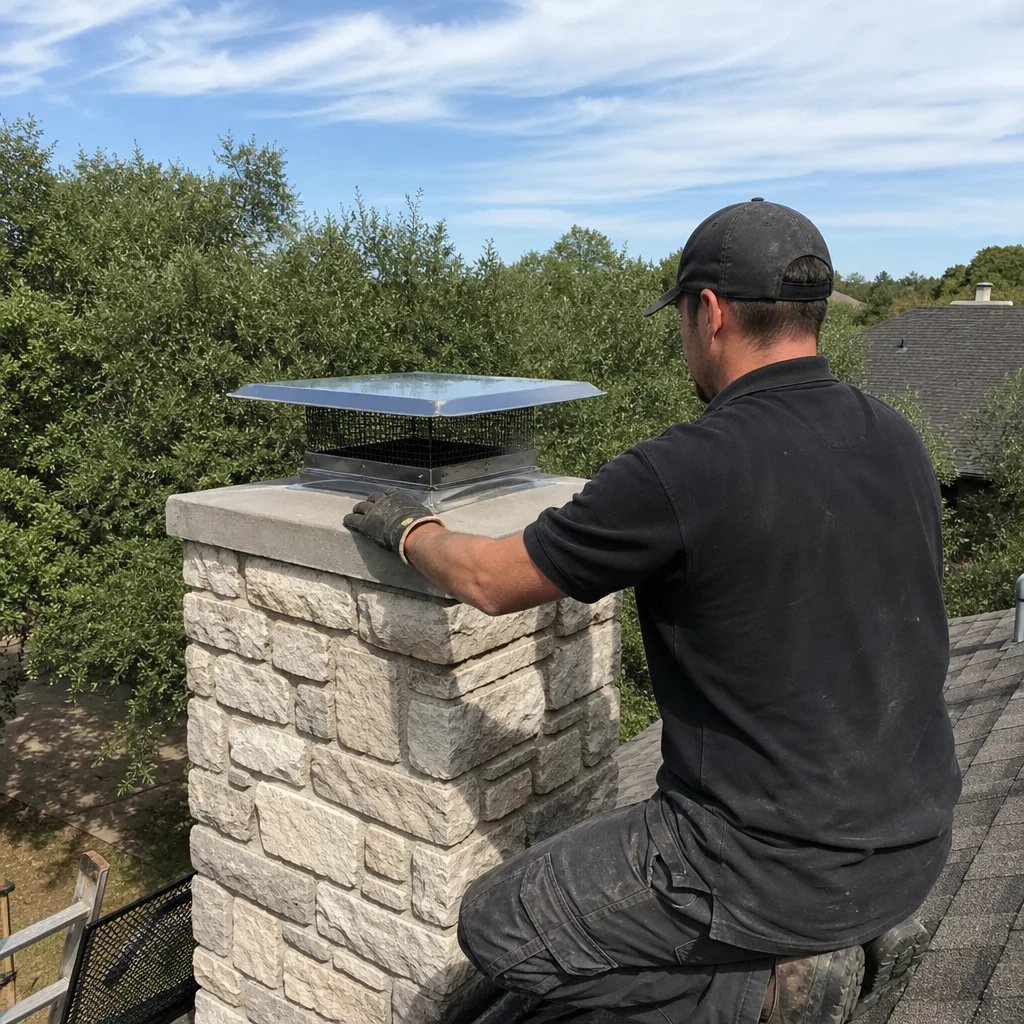
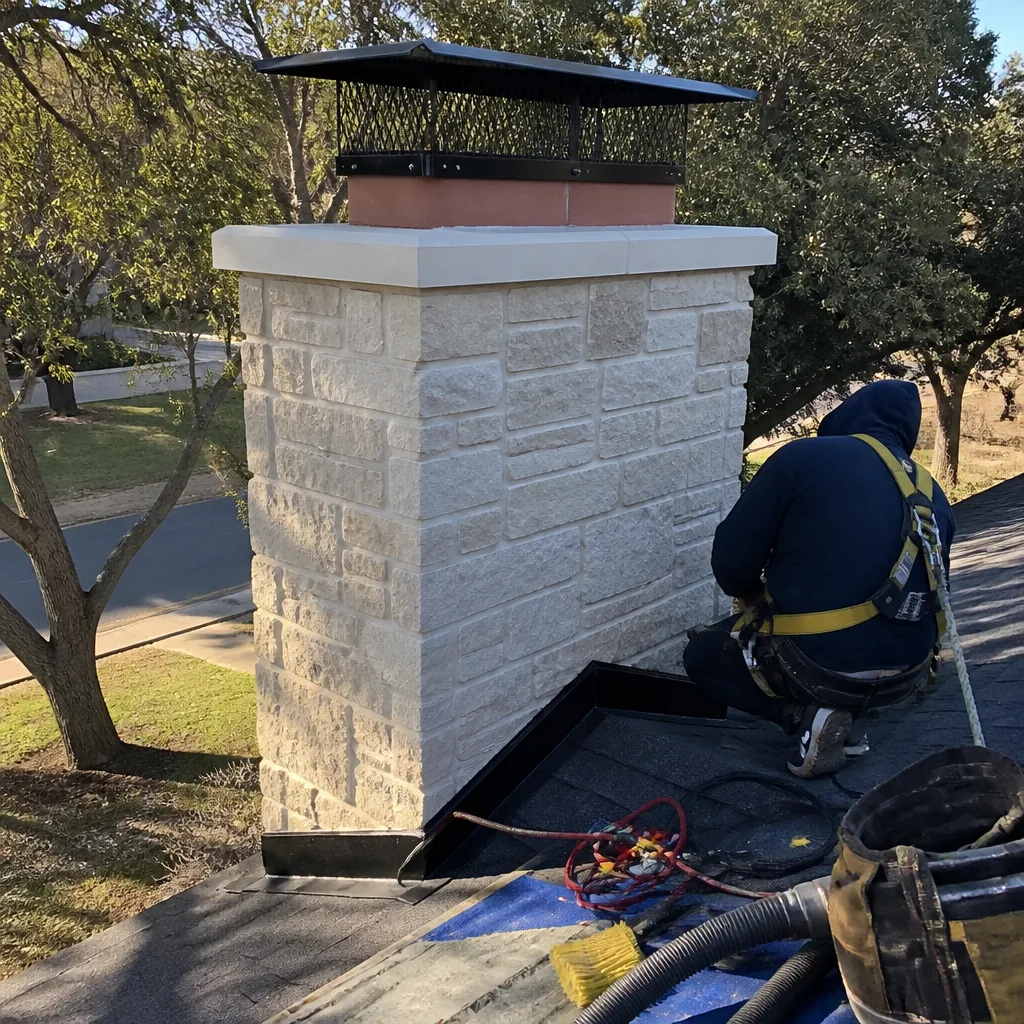
See the difference
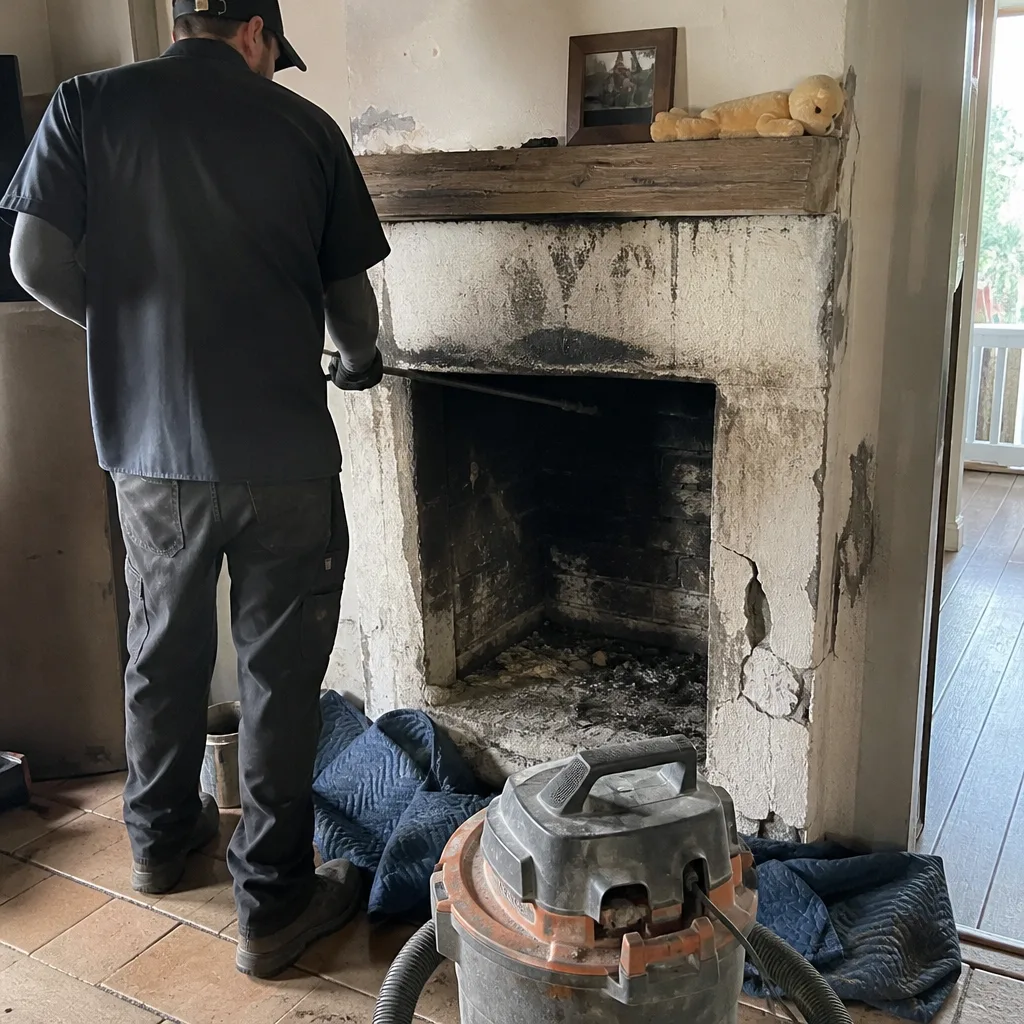 Before
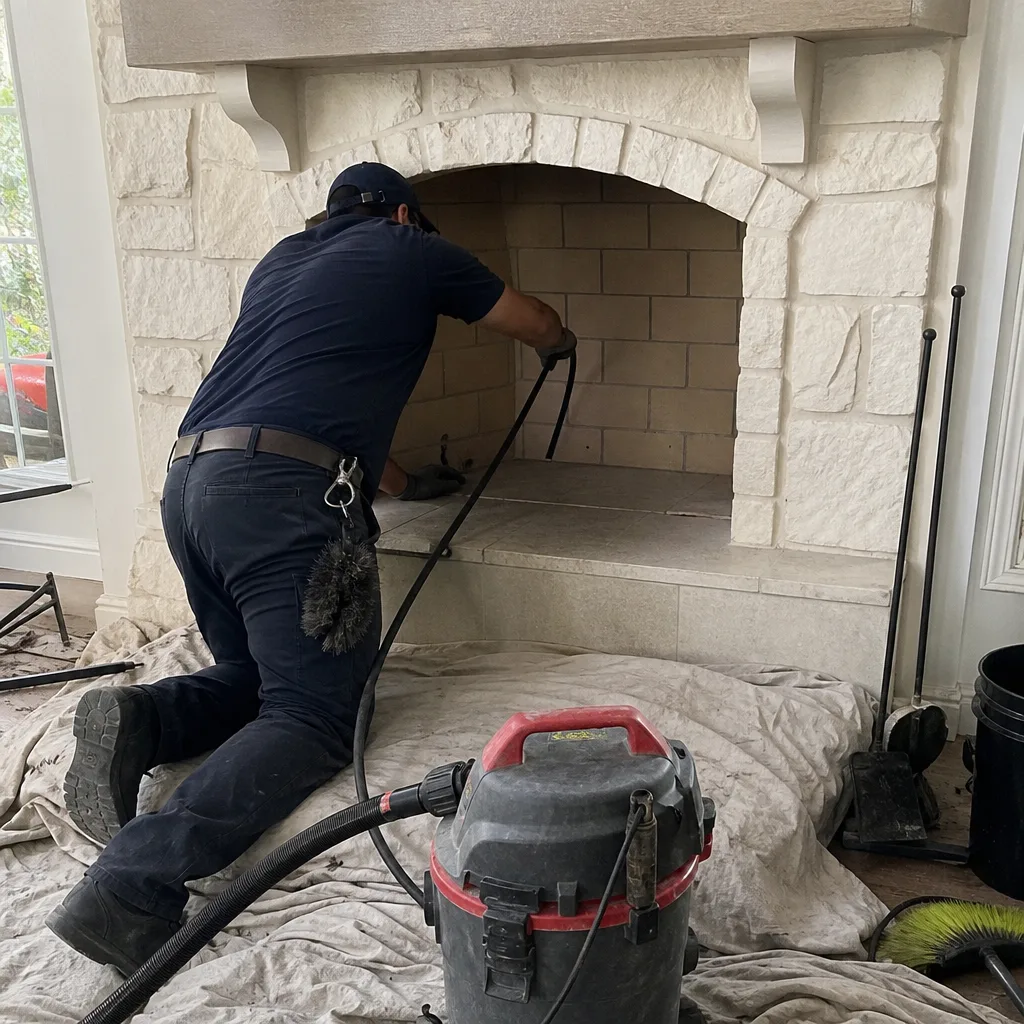 After
After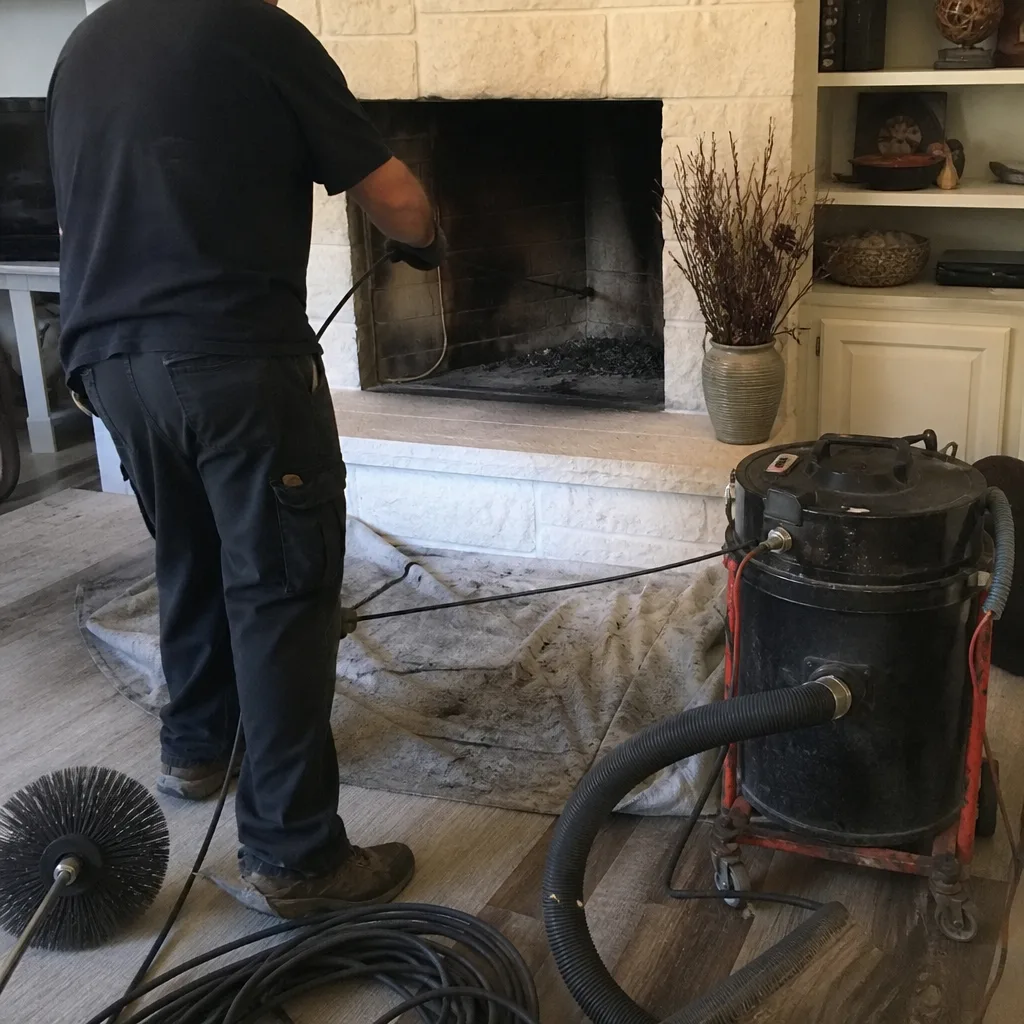 Before
 After
After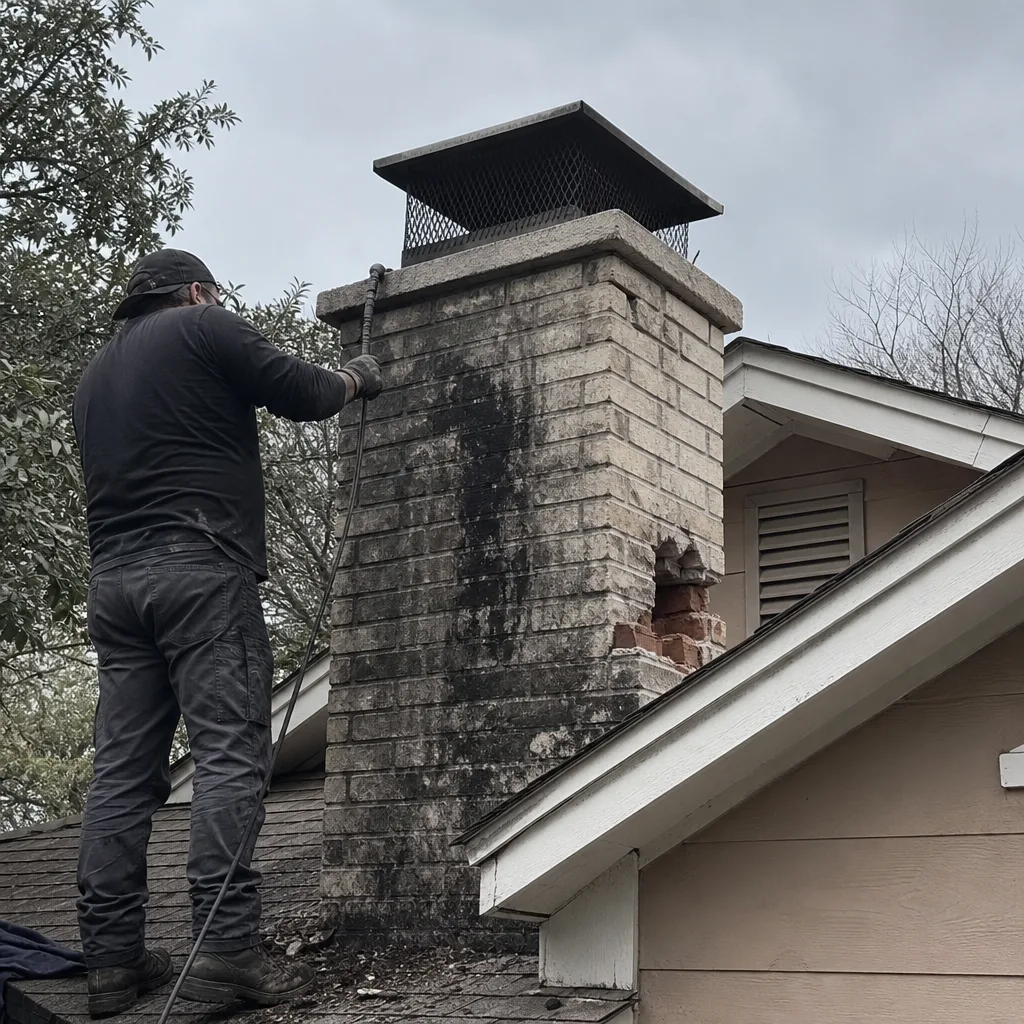 Before
 After
AfterReplacement Cost & What’s Included
For an Austin chimney, here’s what you’re looking at:
- Full HeatShield removal and stainless steel liner installation: $2,200 – $3,400 depending on flue height and access. This includes removing the failed coating, installing a DuraFlex liner with proper insulation, and re-securing the crown and cap.
- HeatShield reapplication (if the existing substrate is sound): $1,800 – $2,600. This is only viable if camera inspection confirms the underlying clay or masonry is intact and the last application failed due to product age, not structural movement.
- Partial liner repair with HeatShield patching compound: $400 – $900. Rare case where the damage is localized and the rest of the coating is well bonded. We only recommend this when the camera footage is unambiguous.
Every quote includes the camera inspection, the written price before any work starts, and the liner removal/installation labor. You’re not getting a surprise line item for “extra cleaning” or “materials.” The 365-Day Done Right Promise covers the liner installation in writing, and if the repair fails within a year, the second visit is free. No fine print, no prorating, no arguing. Cory Mitchell is the one who signs off on that guarantee, and he’s been doing this long enough to know what a liner should look like when it’s done right.
DIY or Call Us?
Let’s be direct: a flue liner is not a DIY project. HeatShield application requires specialized spray equipment, the coating is a two-part ceramic that has to be mixed to exact spec, and if you get the application thickness wrong, you’ve created a worse fire risk than you started with. You can’t just slop joint compound up the flue and call it a day. The material is applied from the top down with a spinning sprayer, and the applicator has to be certified by SaverSystems to install it legally for warranty purposes. This isn’t like swapping an air filter.
What you can do safely: inspect the firebox for flaking material, take photos, and note any odor changes during the last few burns. That’s genuinely useful information for us. Beyond that, call (361) 603-5116. We’ll come out with the camera scope, show you exactly what’s happening inside the flue, and give you a written price before anyone touches the chimney. Cory’s standing rule on this: “I’ll show you the photo first. Then we’ll talk.”
FAQs
A properly applied HeatShield system in Austin typically lasts 10 to 15 years before the coating starts to show meaningful breakdown, though we’ve seen original applications from the early 2000s still holding up in well-maintained chimneys. The lifespan is heavily dependent on how much water has penetrated from the crown, so a damaged chimney cap shortens that window significantly.
Sometimes, yes. If camera inspection shows the coating has delaminated in a small area and the surrounding material is still firmly bonded, a HeatShield patching compound can address the issue for $400 to $900. But if the failure is widespread or the underlying clay tiles are cracked, patching just delays the inevitable. We’ll show you the footage and give you an honest recommendation, even if that means less work for us.
A full replacement in Austin usually takes 4 to 6 hours on site, which includes removal, preparation, application or liner installation, and cure time. We complete most liner jobs in a single visit, and you’ll have before-and-after photos from the camera scope included in your digital invoice.
Yes, we carry HeatShield CeCure and Cerfractory materials on our trucks, along with DuraFlex and Gelco liner systems for homes where a structural stainless liner makes more sense than re-coating. We’re an independent service provider, not a HeatShield corporate operation, which means we stock what actually works for the chimneys we see in Austin rather than pushing one product line.
Sometimes, if the failure was caused by a covered event like a chimney fire, water damage from a storm, or structural movement. A normal wear-and-tear coating failure usually isn’t covered. We provide the camera documentation and a written report you can submit to your insurer, which makes the claims process a lot less murky. Call (361) 603-5116 and we’ll walk you through what your situation looks like.
If your HeatShield liner is showing signs of failure, don’t wait until burning season to find out the hard way. Call (361) 603-5116 for a free estimate. A live person answers, we’ll schedule a window that respects your time, and you’ll get a written price before any work begins. That’s how we’ve done it since 2003, and that’s how we’ll do it for your chimney.
Written by Cory Mitchell, Owner, Hadley Chimney Austin at Hadley Chimney Austin, serving Austin and nearby areas.