
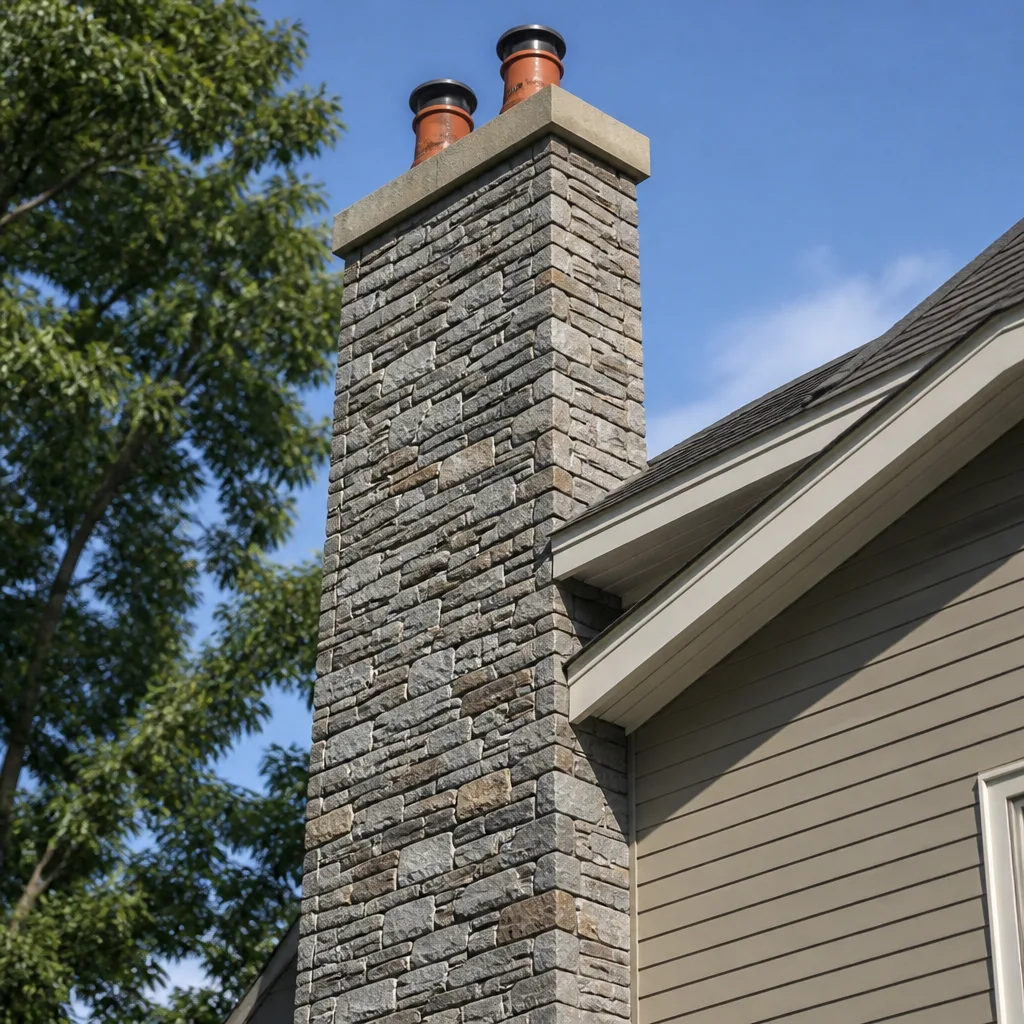
 Masonry repair
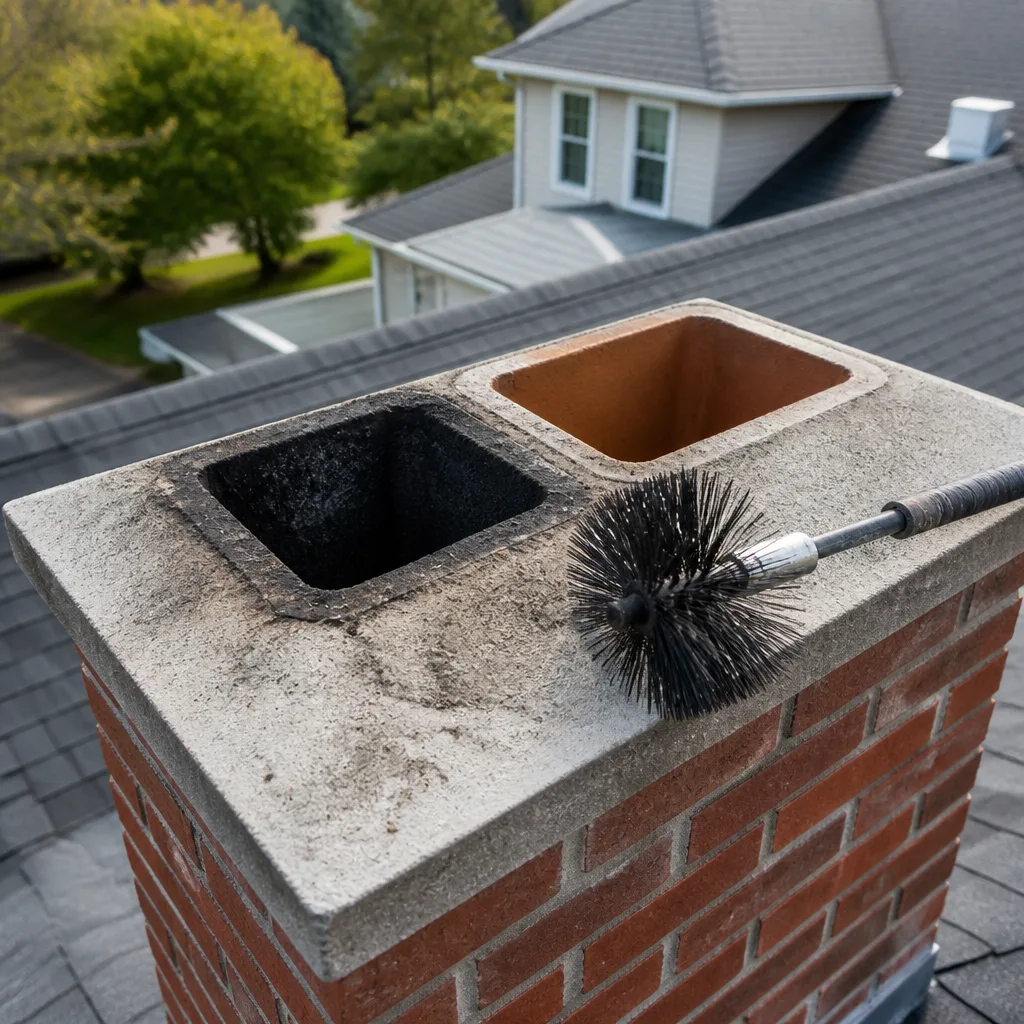 Sweep & inspection
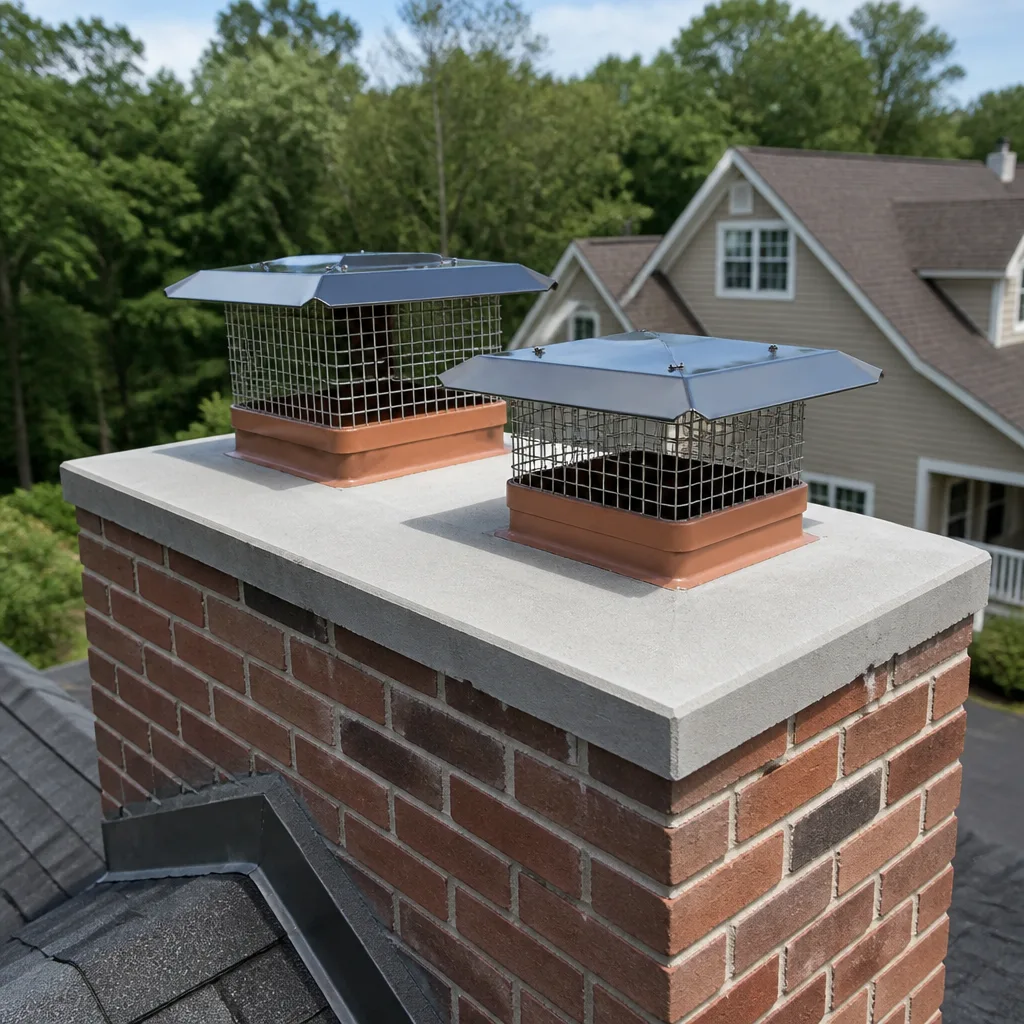 Caps & crowns
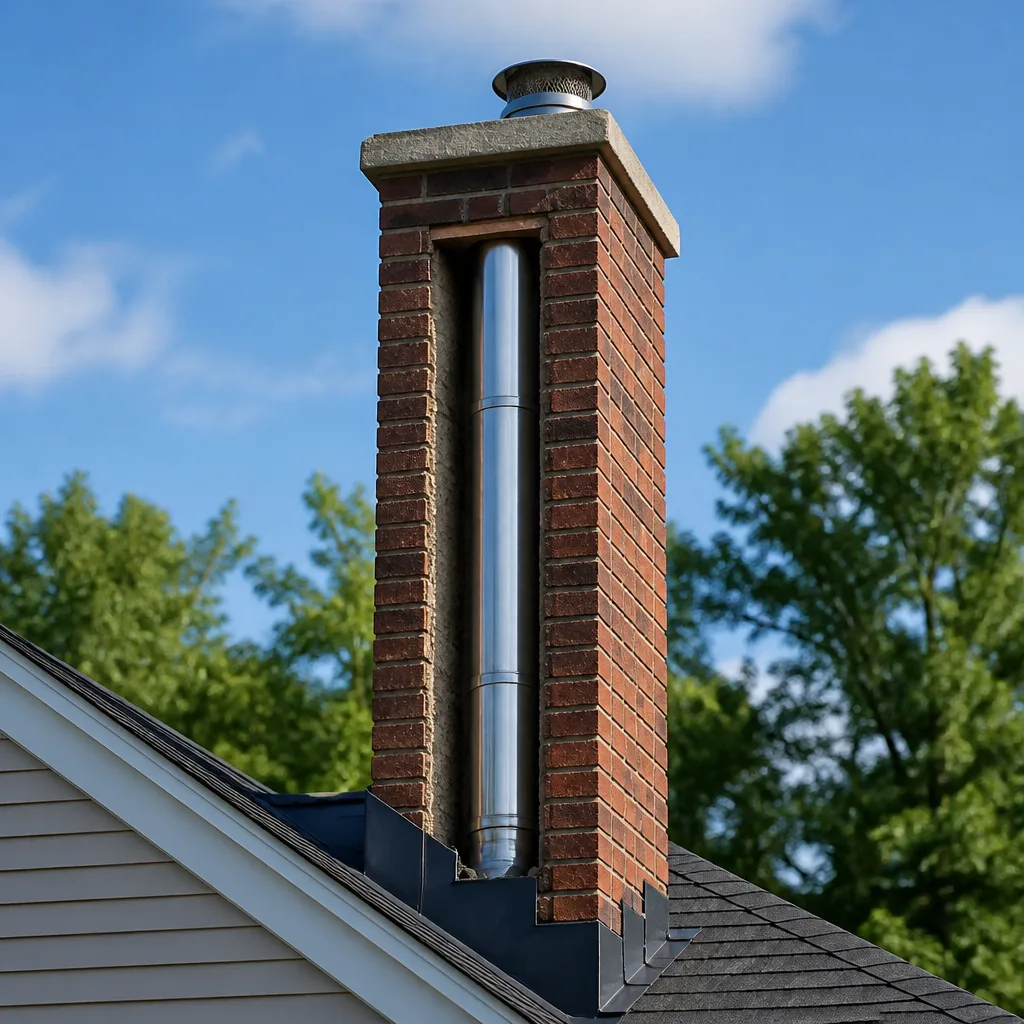 Flue relining
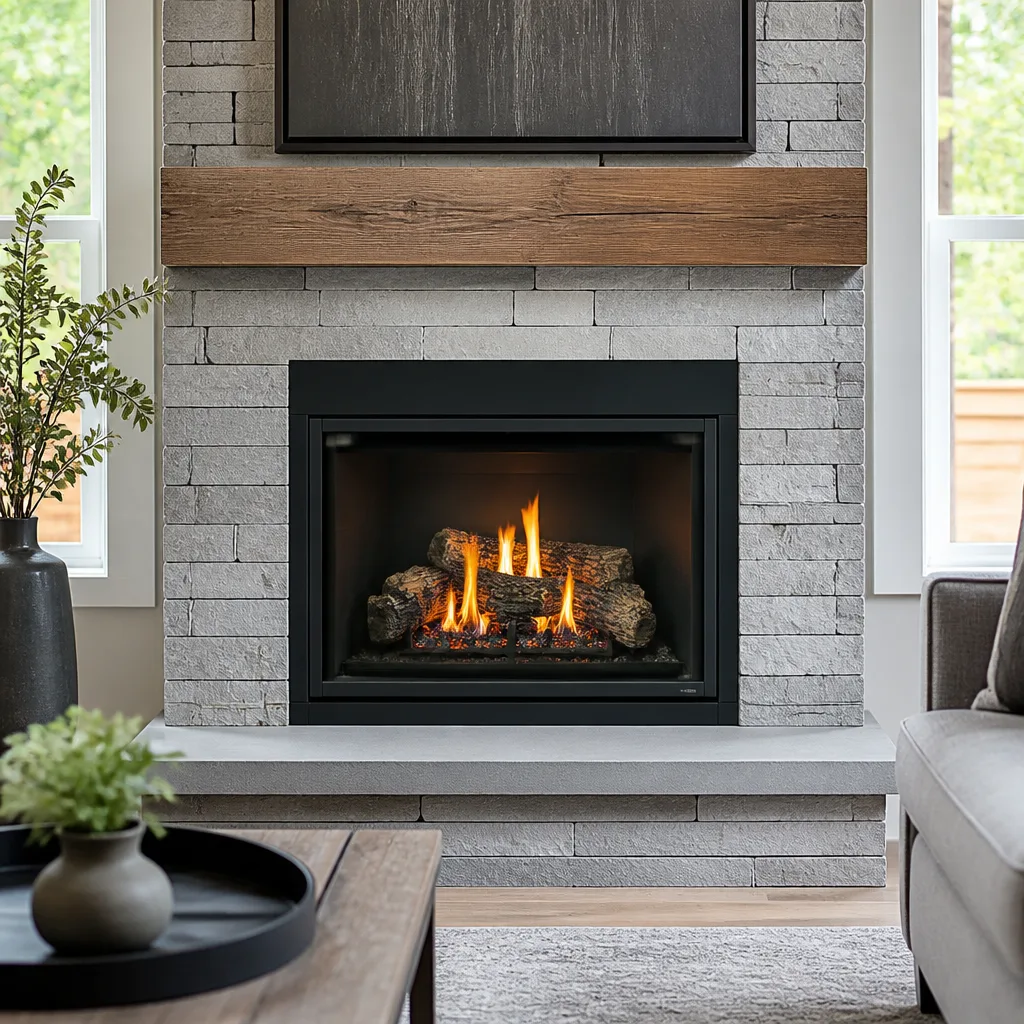 Gas fireplace service
Level 1 sweep and inspection to the NFPA 211 annual standard - flue, crown, cap, and flashing checked and photographed
Chimney sweep logs do not sweep chimneys. They loosen some creosote - which then falls where a brush and vacuum still have to collect it.
HeatShield Crown Repair: The Austin Owner’s Guide
HeatShield crown repair in Austin typically runs $450 – $850 installed, depending on crown condition and how much of the existing mortar needs to be ground out before the HeatShield compound goes on. We stock HeatShield’s Cerfractory Flue Sealant on our trucks and can usually complete the job in a single visit. Most Austin homeowners discover their crown has failed after a hard rain, when they notice water staining on the ceiling near the fireplace or a damp, musty smell coming from the firebox.
Which HeatShield Models This Applies To
HeatShield’s crown repair system is built around their Cerfractory sealant, which was specifically designed to bond to the existing mortar crown rather than requiring a full tear-out and repour. It’s not a one-size-fits-all product. The sealant is rated for use on masonry chimney crowns, which means it works with virtually every mortar crown in Austin, whether the chimney was built in a 1950s Allandale ranch or a newer Steiner Ranch build. What matters for compatibility is the crown material itself, not the chimney brand. If your crown is poured concrete or standard mortar, HeatShield’s system applies. If someone installed a precast concrete crown cap, you’ll need a different approach, and we’ll tell you that before anyone climbs a ladder.
One thing we run into in Austin more than you’d expect: homeowners with a stone veneer crown that was “sealed” years ago with a cheap elastomeric coating. That coating cracks under our UV exposure and lets water sit directly on the mortar. HeatShield’s compound bonds where those coatings fail, which is why we pull the old coating off before applying anything new. You can identify your crown type by looking at the top of the chimney, the concrete slab that caps the masonry. If it’s pitted, cracked, or the paint-like coating is peeling off in sheets, the HeatShield repair path is likely on the table.
Styles & brands we work with
Signs Your HeatShield Crown Repair Is Failing
- Water staining on the ceiling around the fireplace. When the crown seal breaks down, rain follows the flue tile or the masonry itself and ends up on your drywall. This is the most common first sign in Austin, especially after the spring storm season. The crown is the highest point of entry, so if flashing is intact, the crown is the prime suspect.
- Efflorescence on the exterior chimney brick. That white, chalky deposit is salt being pulled out of the mortar as water moves through it. It means the crown is letting water saturate the masonry below. You’ll see it more often on the south and west-facing sides of the chimney where Austin sun hits hardest.
- Spalling brick or flaking mortar near the crown. Once water gets into the top courses of masonry, the freeze-and-thaw cycle that Austin gets for a few nights each winter causes the mortar faces to pop off. We see this regularly in older Mueller and Crestview homes where the original crowns are still original, which says a lot about why the top courses are failing.
- Damp smell from the firebox after a rain. Water that’s getting through the crown often ends up in the smoke chamber, and from there the smell carries down into the living room. It’s a musty smell that has no other explanation, and it gets stronger in the hour after a thunderstorm.
- Visible cracking or pitting in the crown itself. If you can safely get eyes on the crown from your roof or a drone, you’ll see the difference. Hairline cracks that run from the flue tile outward or a surface that looks like a dried lakebed are classic signs. The flue tile joint, where the clay tile meets the crown, is the first place the original mortar fails.
See the difference
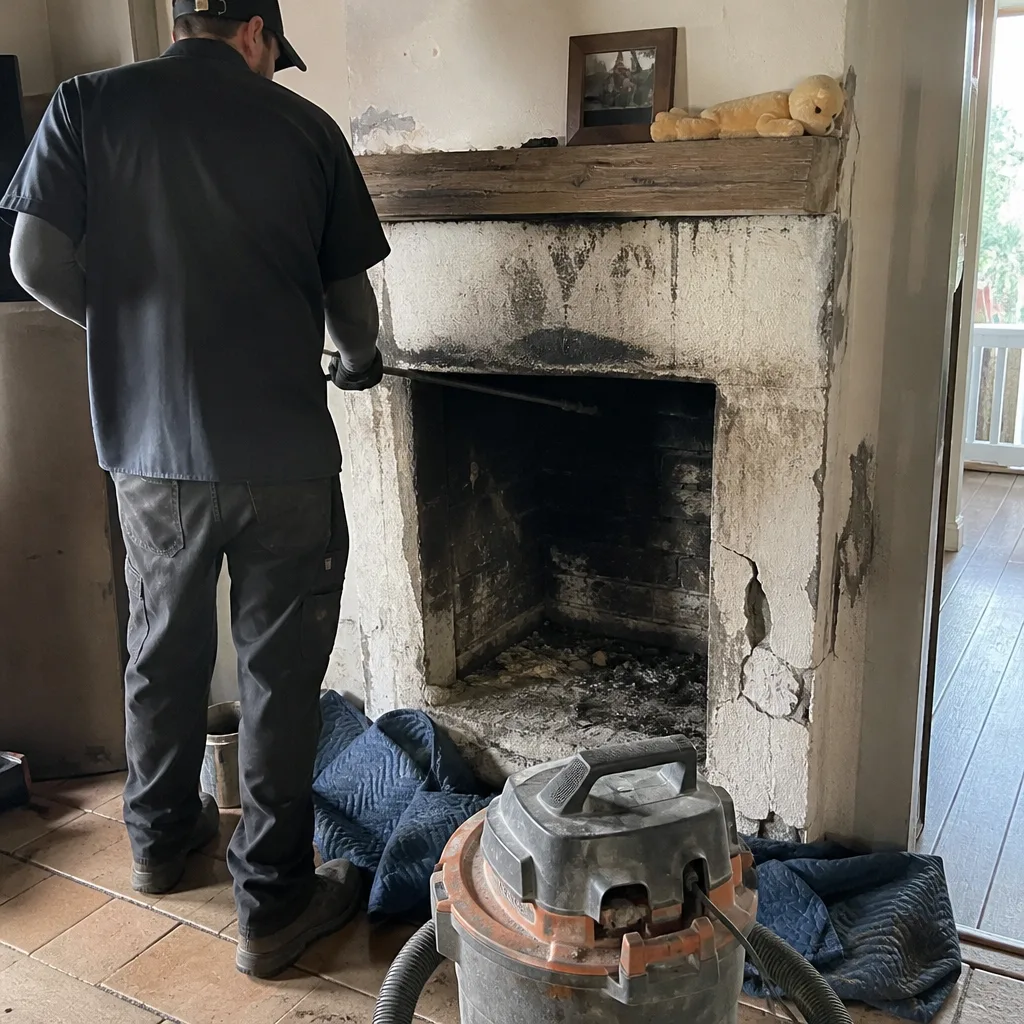 Before
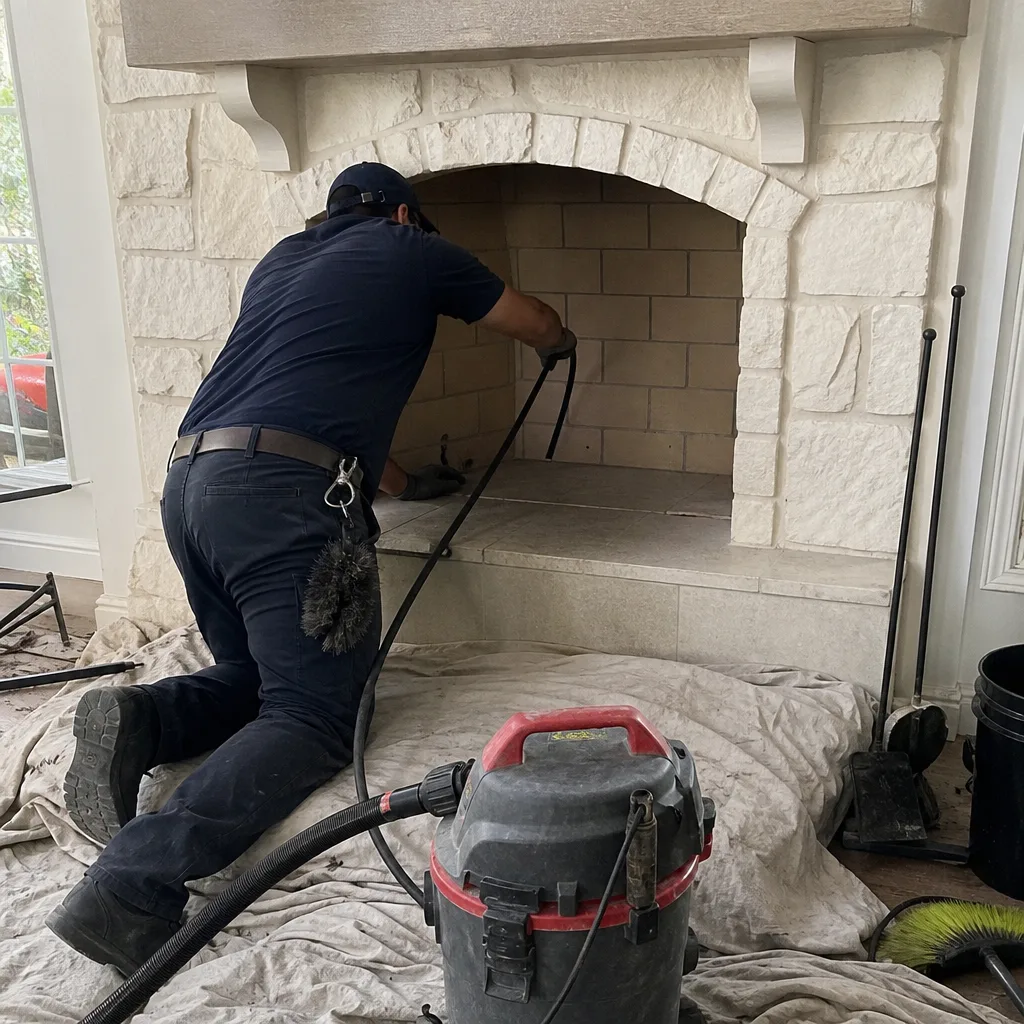 After
After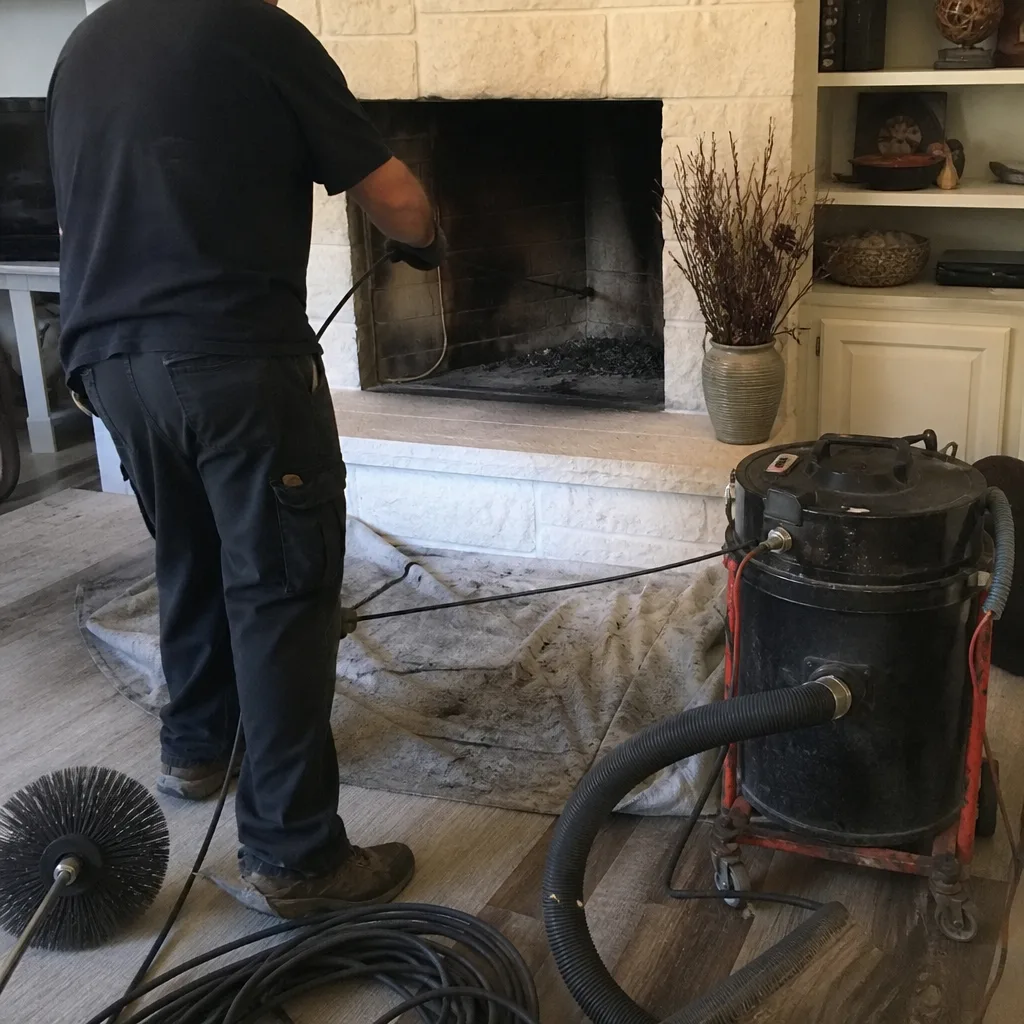 Before
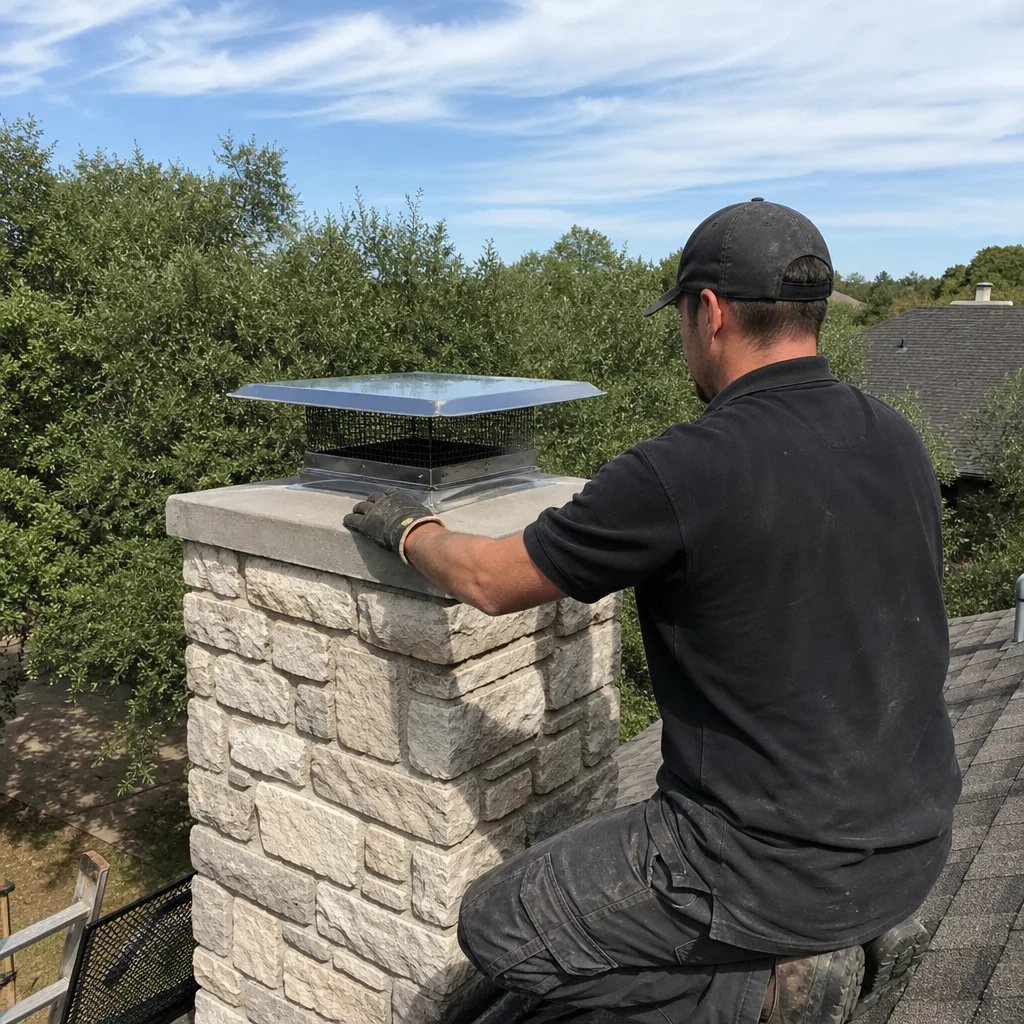 After
After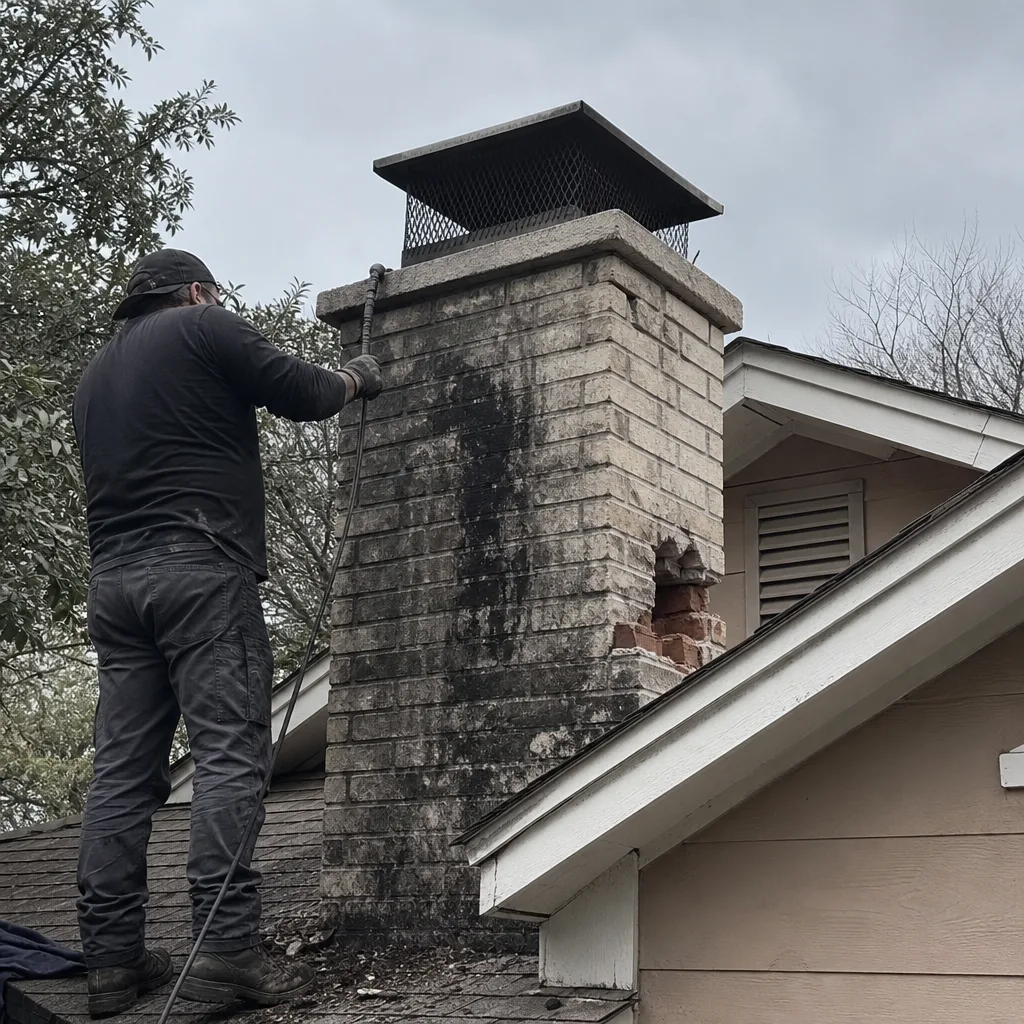 Before
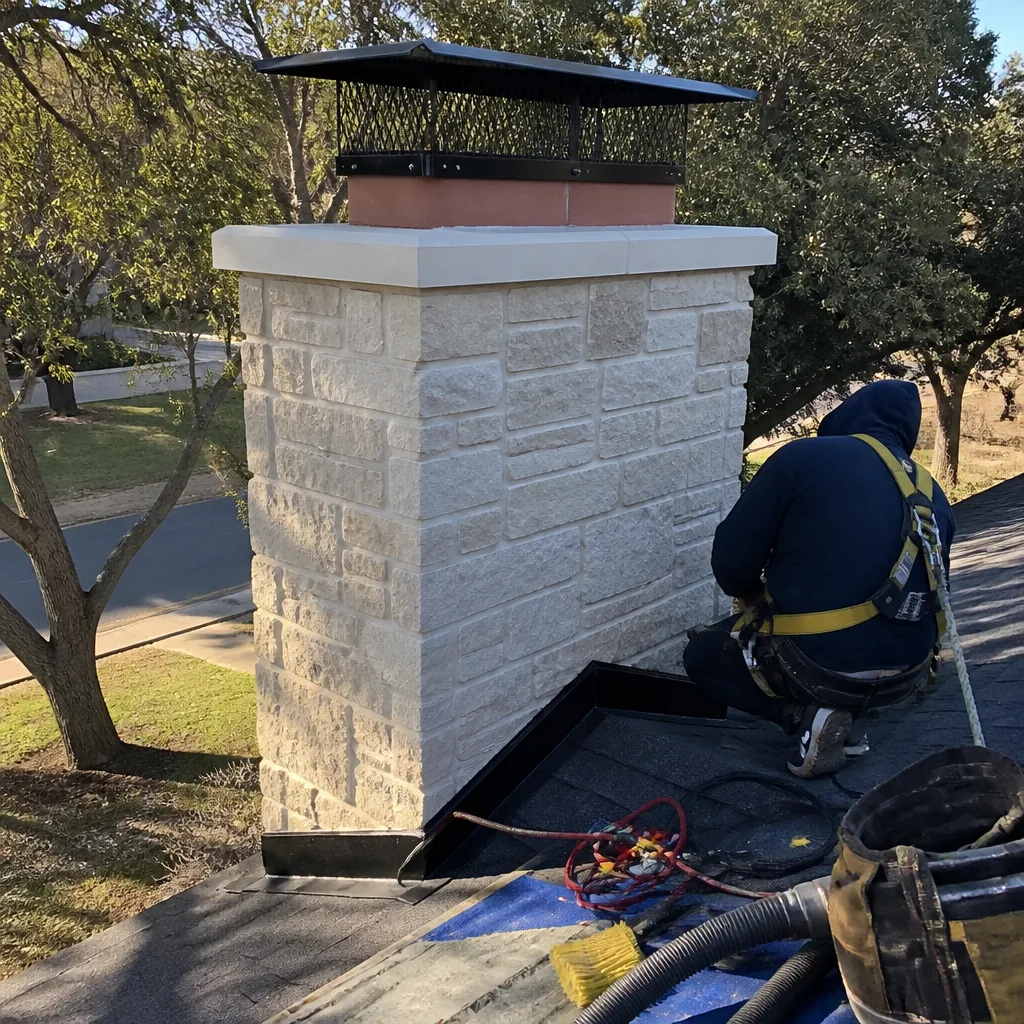 After
AfterReplacement Cost & What’s Included
The price range for HeatShield crown repair in Austin breaks down like this:
- Basic crown sealing: $450 – $550, which covers cleaning, minor crack filling, a full HeatShield compound application, and a water-repellent topcoat.
- Moderate crown repair: $550 – $700, when we need to grind out failed mortar joints, rebuild small sections, and then apply the full HeatShield system.
- Extensive crown repair: $700 – $850, when large areas of the crown are missing, the flue tile joint needs full rebuilding, or prior patchwork has to be removed first.
The range depends on crown size, accessibility (steep roofs in West Lake Hills take longer than flat ranch layouts in Pflugerville), and how much old material needs to come out before new compound goes on. Every quote is written before work starts, and Cory Mitchell signs off on your repair plan personally. Your written guarantee runs 365 days, and if the repair fails inside that window, we come back and make it right free of charge. That includes a second visit, materials, and labor.
DIY or Call Us?
Let’s be direct: crown repair is not a weekend ladder job. The work happens on top of the chimney, usually accessed from the roof, and involves grinding out failed material, applying a specific compound at the correct thickness, and tooling it to shed water. A bad crown repair looks fine until the next hard rain, and then you’re paying to remove someone else’s failed patch before the real repair can start. We get called out to fix DIY and handyman crown repairs in Austin regularly, and the additional labor to undo them usually costs more than the repair itself.
What you can safely do is check what you can see from the ground. Look at the chimney crown with binoculars or a drone. Note whether the brick near the top looks wet for days after rain, whether there’s white chalky buildup, or whether you can see obvious cracks. Take photos. Then call Hadley Chimney Austin at (361) 603-5116, tell us what you’re seeing, and we’ll bring a camera scope up with us. You’ll see the crown condition on our screen before we recommend anything, because that’s how it should work. I’ll show you the photo first. Then we’ll talk.
FAQs
A HeatShield crown repair in our Austin climate typically lasts 8 – 12 years before the topcoat needs reapplication, with the sealant itself often lasting much longer when maintained. Our UV exposure and the occasional freeze cycle mean the topcoat is the sacrificial layer, and recoating every decade keeps the system in shape. Call (361) 603-5116 and we’ll check your crown and tell you exactly what it needs now versus later.
Yes, most cracked chimney crowns can be repaired with the HeatShield Cerfractory system without a full teardown, and that’s exactly what we do when the underlying masonry is sound. If the crown has shifted or large sections are missing, a rebuild may be needed, but you won’t guess on that, because our camera photos will show you what we’re seeing before a recommendation is made. Call us for a free estimate and we’ll give you a written plan.
Most HeatShield crown repairs in Austin are completed in a single visit of 2 – 4 hours, including surface prep, application, and cleanup. Larger repairs or steep-access chimneys can run longer, but you’ll know the time window and the complete price before we start. Call (361) 603-5116 and we’ll schedule around the next clear weather window, because the compound needs dry conditions to cure properly.
Yes, we stock HeatShield Cerfractory Flue Sealant and the related prep materials on our trucks, along with parts from DuraFlex and Gelco for related liner or cap work. That means the tech who shows up at your Austin home has what’s needed to fix the crown the day you’re booked, without scheduling a follow-up for a part that should have been there. Call (361) 603-5116 and we’ll confirm what your chimney needs.
Written by Cory Mitchell, Owner, Hadley Chimney Austin at Hadley Chimney Austin, serving Austin and nearby areas.