
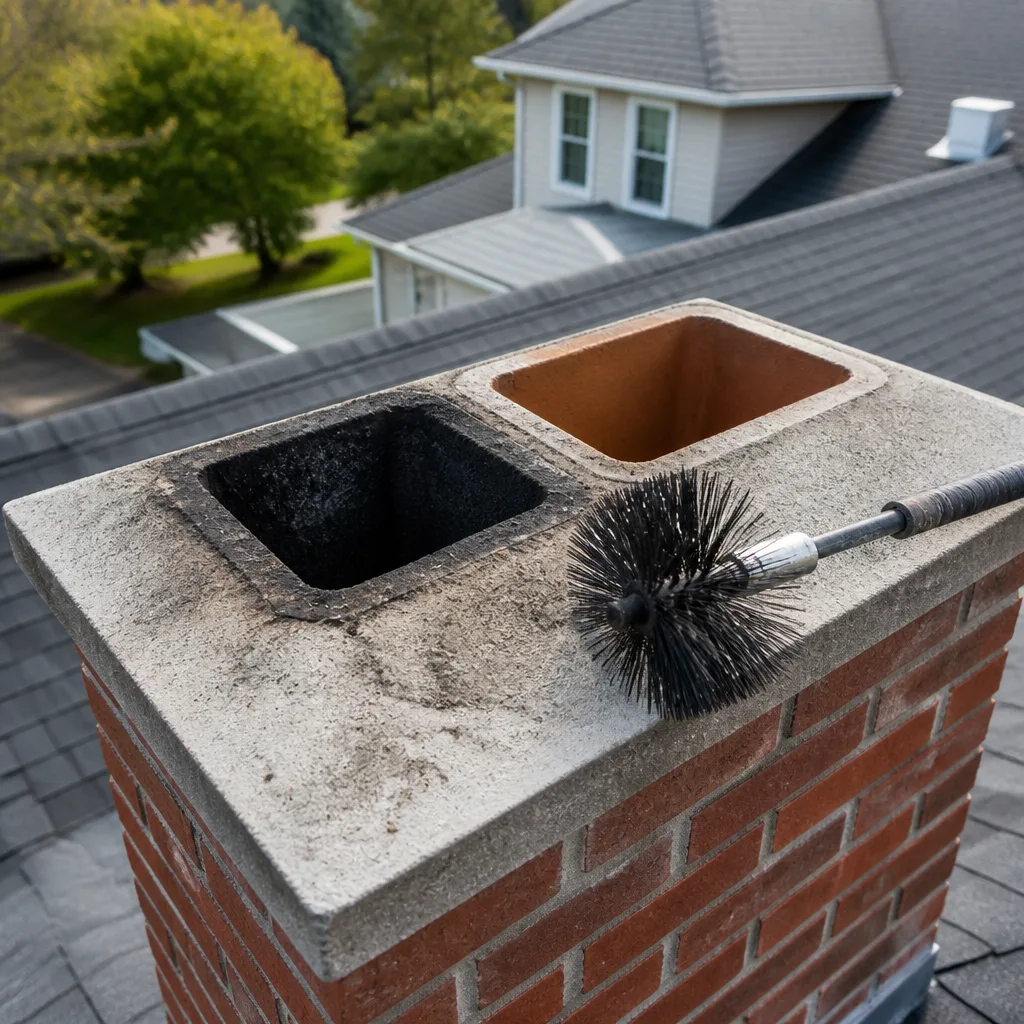
 Sweep & inspection
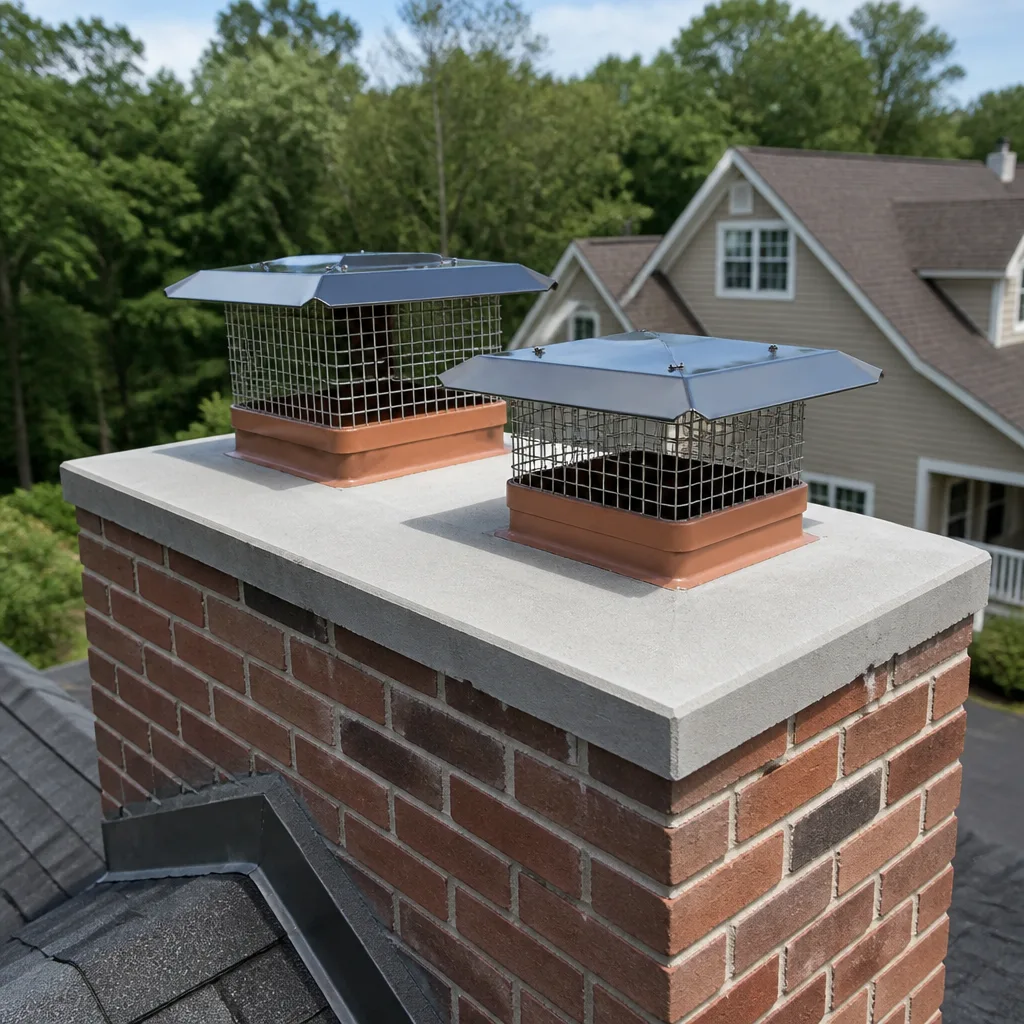 Caps & crowns
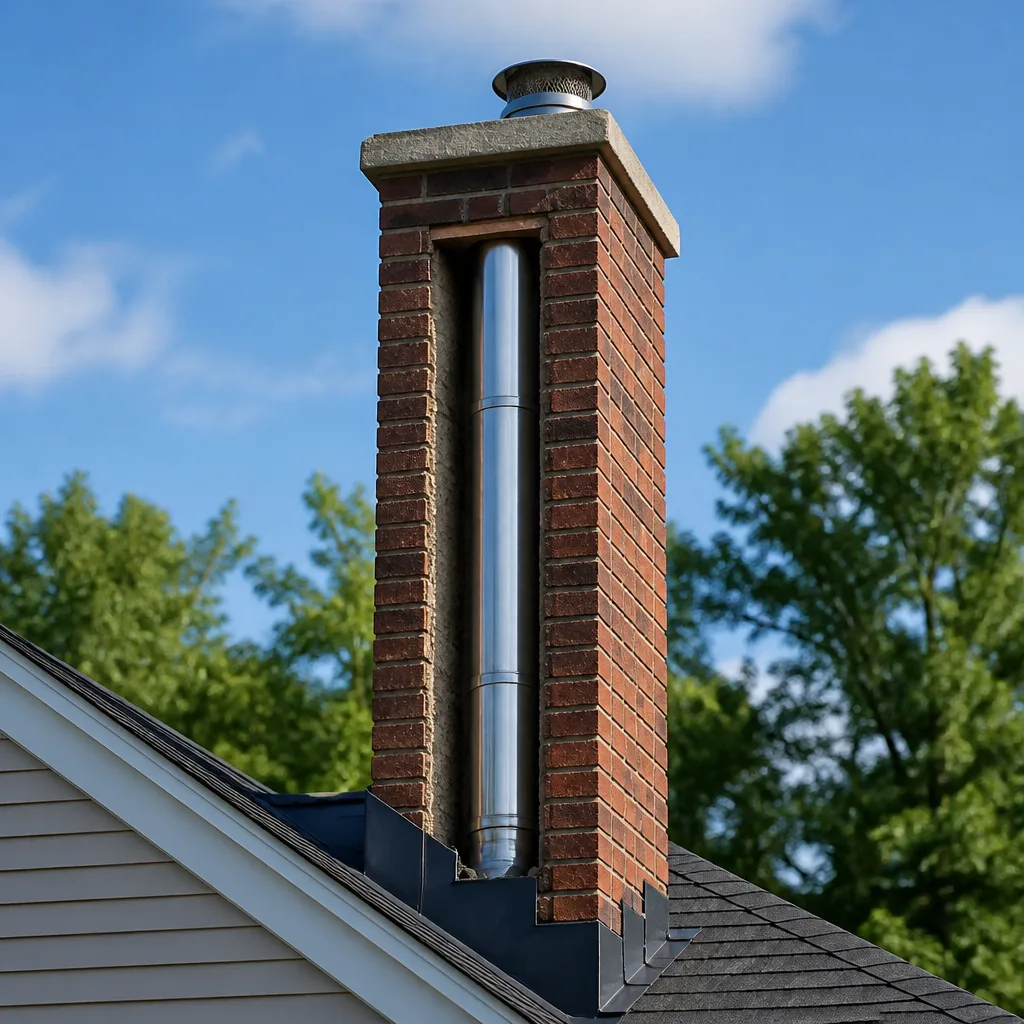 Flue relining
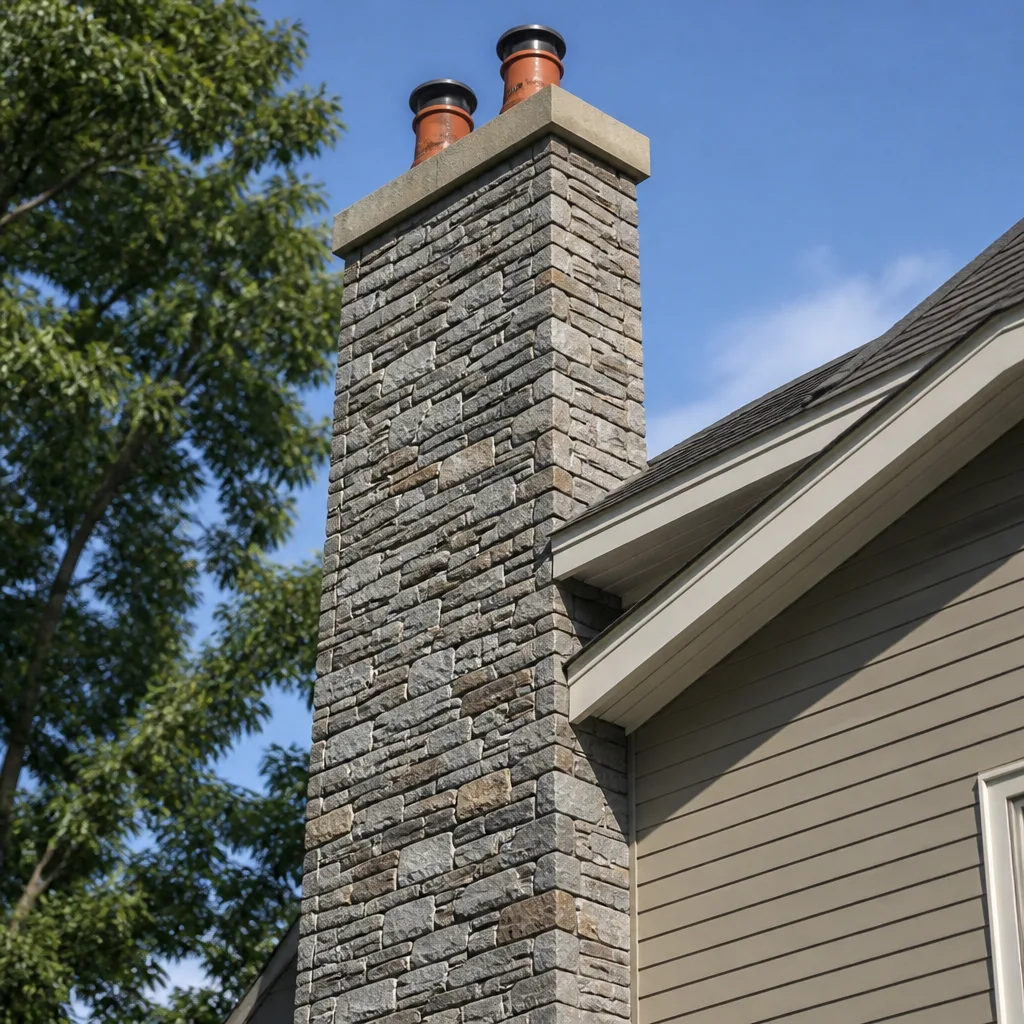 Masonry repair
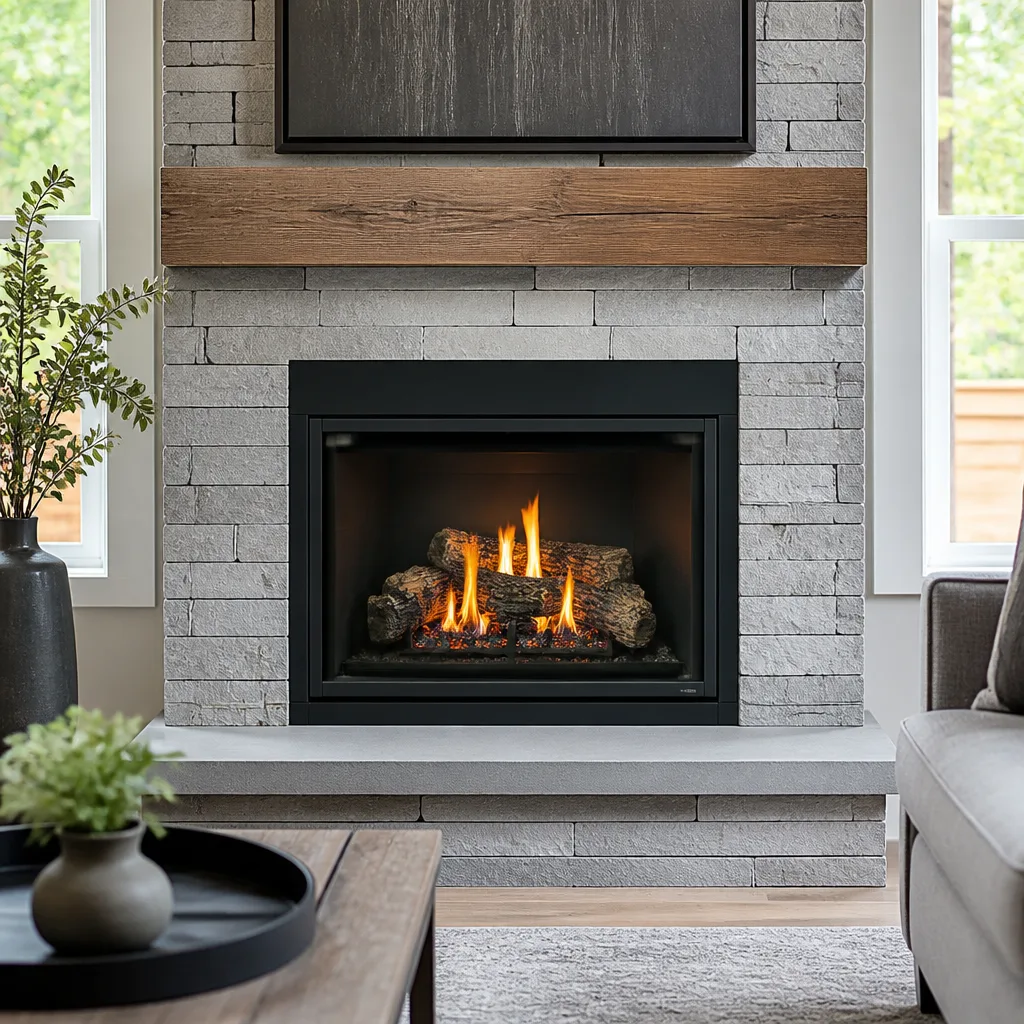 Gas fireplace service
Level 1 sweep and inspection to the NFPA 211 annual standard - flue, crown, cap, and flashing checked and photographed
Chimney sweep logs do not sweep chimneys. They loosen some creosote - which then falls where a brush and vacuum still have to collect it.
HeatShield Chimney Cap Installation: The Austin Owner’s Guide
Installing a HeatShield-compatible chimney cap in Austin typically runs $220 to $480, including the cap itself and a standard installation. We stock HeatShield systems and compatible brands on the truck, so most jobs are done in a single visit without waiting on a parts order. Homeowners usually discover a cap problem the same way every year: water stains on the ceiling near the fireplace, a damp smell after rain, or a cap that’s visibly rusted through at the edges when they look up from the driveway.
We’re an independent chimney service company, not a HeatShield distributor. That means we’ll tell you straight when a HeatShield cap is the right call and when a different brand saves you money for the same result.
Which HeatShield Models This Applies To
HeatShield ceramic chimney systems are built around a mortar-free cast-in-place liner, and the cap that protects the top is matched to the flue’s inside diameter, not the outside chimney dimensions. The common sizes we work with in Austin homes are 6-inch, 8-inch, and 10-inch round flues, with the 6-inch and 8-inch being most of what we see on gas furnaces and water heater venting systems.
Here’s the compatibility gotcha most people miss: a HeatShield liner is not a rigid pipe. It’s a poured ceramic shell, which means the cap has to sit on a crown-mounted or slip-in base plate that’s sized to the flue opening after the liner is cured. You can’t just grab a universal cap from a big-box shelf and call it done. The base plate holes have to line up, and if the liner isn’t perfectly round at the top, the cap needs a custom base or a properly sized slip-in mount. We’ve had to redo more than a few weekend DIY jobs where the cap looked fine from the ground but was wobbling on a mismatched base plate.
For homeowners on a budget, we also install quality caps that are fully compatible with HeatShield liners from other brands we trust, including DuraFlex and Gelco. The cap doesn’t know what brand the liner is. The fit and the stainless steel grade are what matter. In Austin’s climate, we recommend 304 stainless for most homes and 316 stainless if you’re within a few miles of a major highway interchange or industrial corridor where airborne chemicals accelerate rusting. Both hold up far better than the galvanized caps that come stock on many new builds.
Styles & brands we work with
Signs Your HeatShield Chimney Cap Installation Is Failing
- Water in the firebox after rain. This usually means the cap’s hood has rusted through or the base plate seal has separated from the crown. Rain rides down the flue wall instead of dripping off the cap’s edges. We’ve opened dampers in Hyde Park homes and found standing water that had been quietly rotting the firebox floor for months.
- Rust streaks running down the chimney chase or flue tile interior. The cap’s welds or the hood itself has started to fail. In humid Austin conditions, once rust starts it spreads fast. A cap that shows rust this year will be structurally done within one or two more seasons.
- Draft problems you didn’t have before. A partially collapsed cap hood or a base plate that’s shifted can partially block the flue opening. You’ll notice the fireplace smokes back into the room or the gas furnace struggles to vent and the carbon monoxide detector near the heater starts getting twitchy. This one’s urgent, not cosmetic.
- Animal sounds in the fireplace or flue. Squirrels, raccoons, and chimney swifts are relentless in Austin. A missing spark arrestor screen or a bent mesh panel is an open door. We’ve pulled enough nesting material out of HeatShield-lined flues to know that a small tear in the mesh is all it takes.
- Cap visibly tilting or missing from the ground. High winds during spring storm season in Austin and hail from those March squall lines absolutely beat up chimney caps. If the cap is leaning, the base plate bolts have probably pulled through or the crown anchor points are crumbling.
See the difference
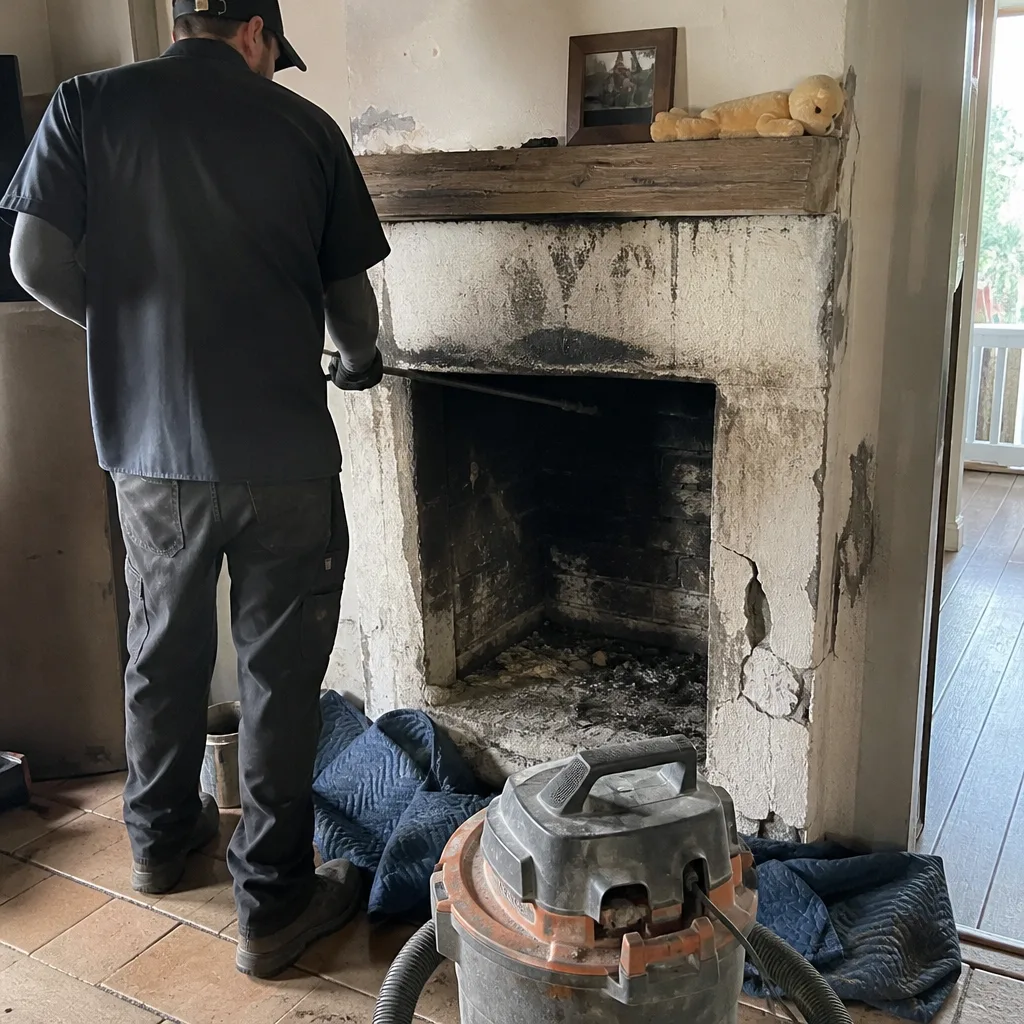 Before
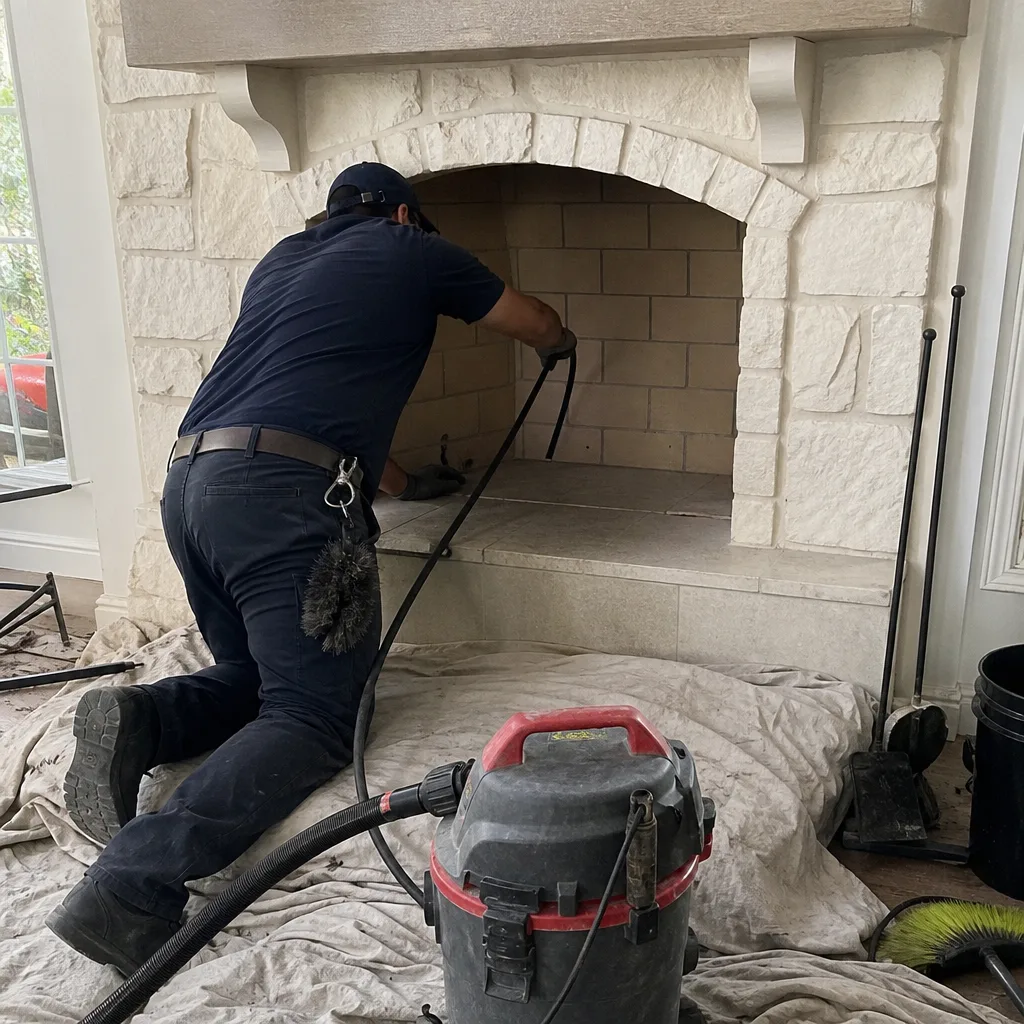 After
After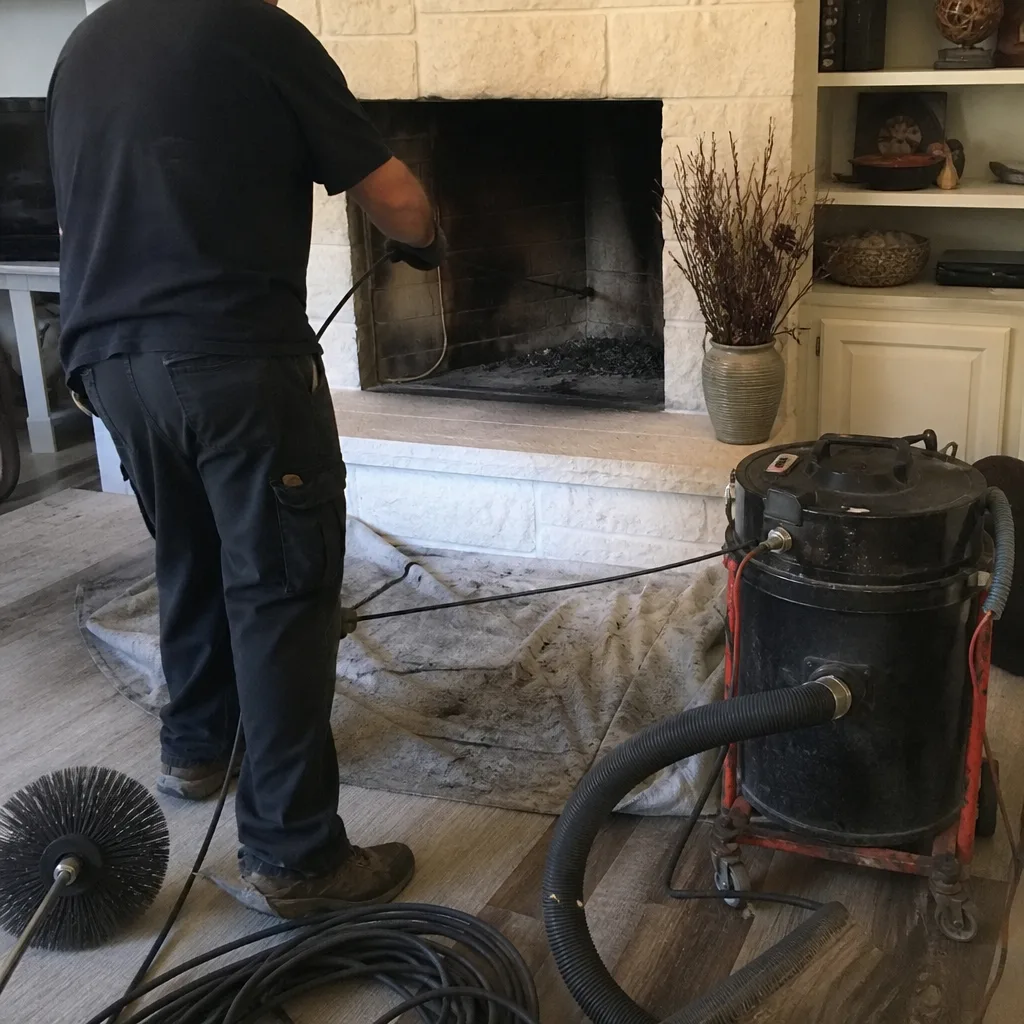 Before
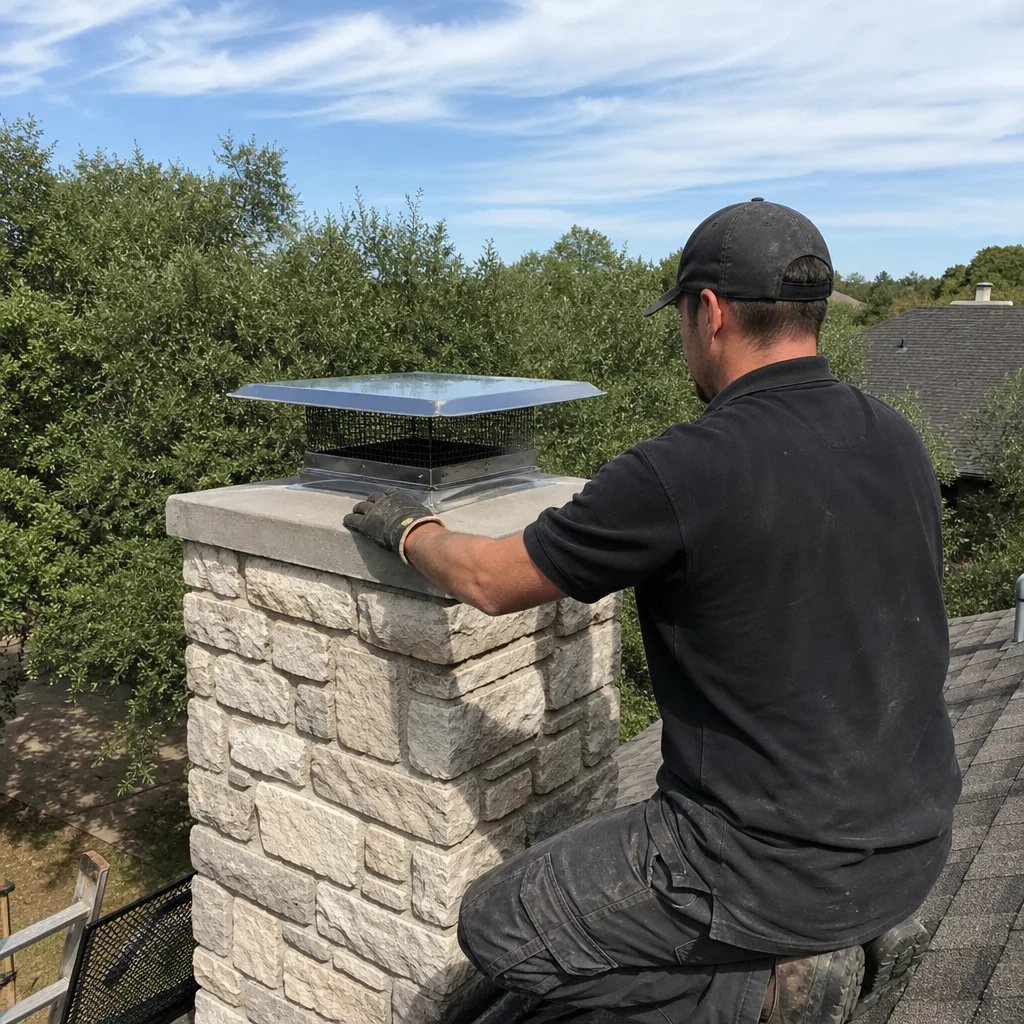 After
After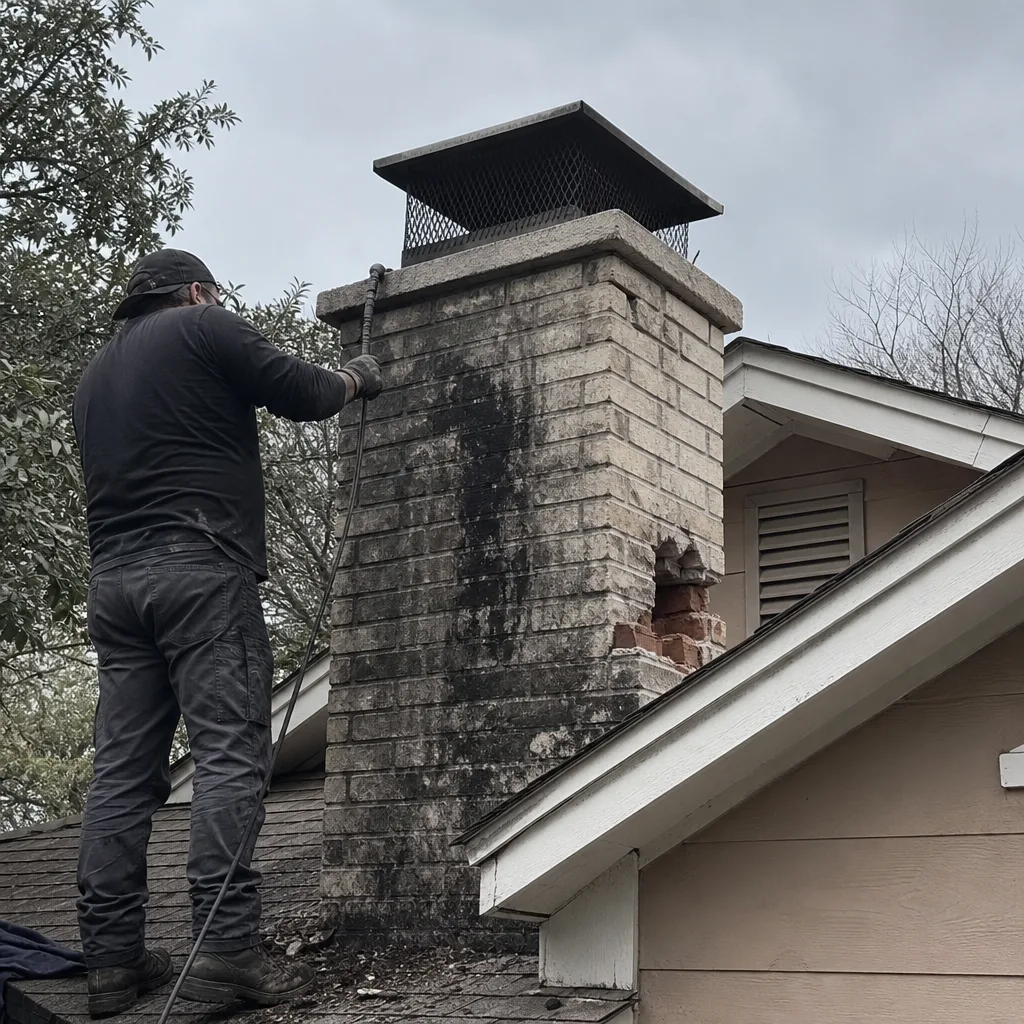 Before
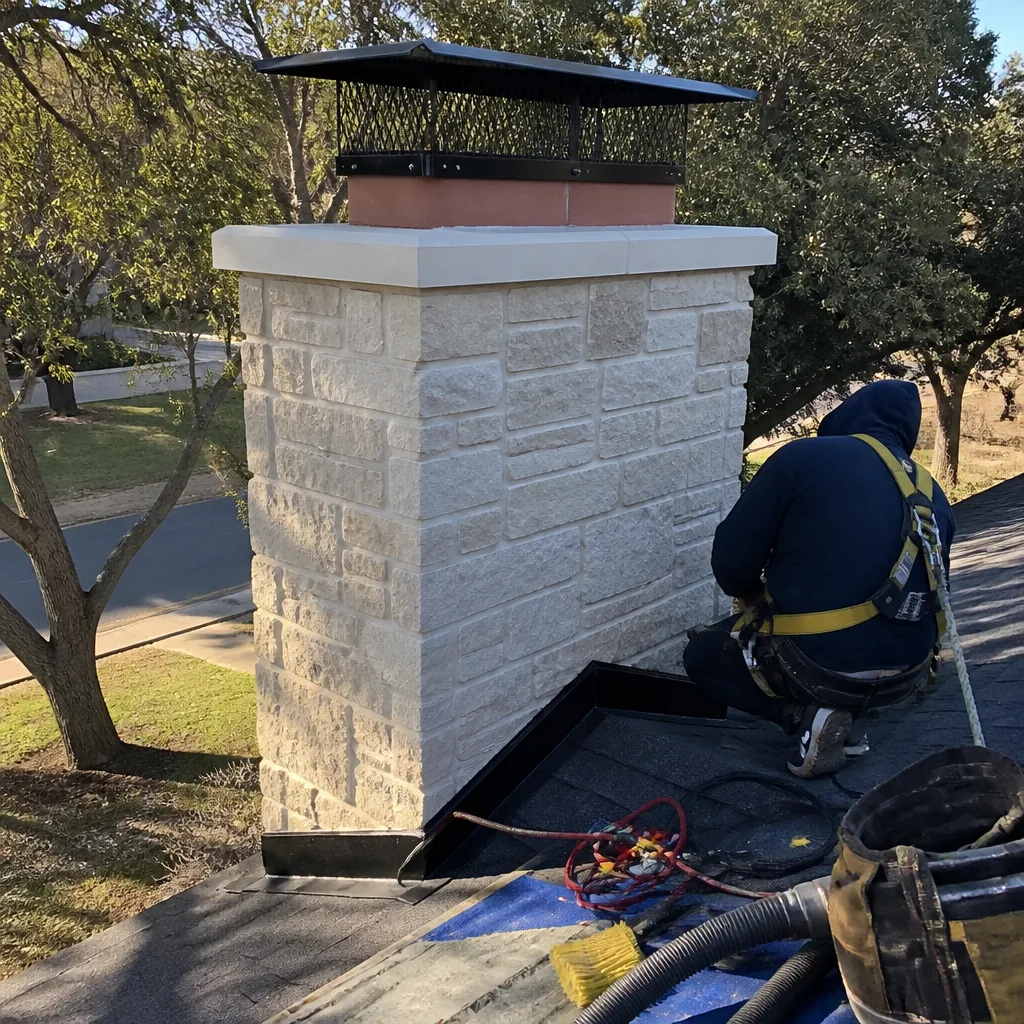 After
AfterReplacement Cost & What’s Included
For HeatShield-compatible cap installation in Austin, we quote $220 to $480 installed on most single-flue homes. Here’s what drives the range:
- Cap size and steel grade. A 6-inch 304 stainless cap with standard spark arrestor screen sits at the low end. A 10-inch 316 stainless high-wind cap with a wider mesh for draft runs toward the top.
- Base plate condition. If the original HeatShield base plate is intact and reusable, the job is straightforward. If the crown has crumbled around the plate, we seal and repair the crown first, which adds time and material.
- Access. A single-story ranch in South Austin with a walkable roof is simple. A steep-pitch roof in Barton Hills or a chimney that requires ladder work on a two-story structure adds labor safely and honestly.
Every quote is written, not verbal, and it’s in your hand before anyone picks up a tool. The price you see is the price you pay. Every cap installation carries our 365-Day Done Right Promise: if the cap leaks, shifts, or fails within a year, we come back and fix it at no charge.
Here’s what you get with the install: removal of the old cap and base plate, inspection of the flue top and crown, new cap fitted and anchored, crown seal checked, and a photo of the finished job sent to your phone before we pack the ladder. You’ll see the work. You won’t have to take our word for it.
DIY or Call Us?
You can absolutely do the diagnostic part yourself. From the ground, check for visible rust, tilting, or missing mesh panels. Look for water stains inside the firebox after the next rain. Those observations tell us a lot before we even arrive. We’ll never charge for information you can give us in a photo.
What we’d stop you from doing is climbing a ladder onto a two-story roof with a live chimney that may have a crumbling crown. The cap sits at the highest, most exposed point of the house, and all of the worst things that happen in this trade happen on a ladder at height over a hard surface. If the crown needs patching, a proper seal requires experience with the right mortar mix and a clean, dry surface. One wrong bead and water still gets in, except now you’ve spent a Saturday on the roof to learn that the leak is still there.
If any of this sounds like your chimney, call us at (361) 603-5116. Cory will often take a look at a photo you text us before we even schedule, and as he puts it, “I’ll show you the photo first. Then we’ll talk.”
FAQs
In Austin’s climate, a stainless steel cap on a HeatShield system typically lasts 10 to 15 years, with 316 stainless running toward the longer end and galvanized caps failing in as little as 5 to 7 years due to humidity, hail, and storm-driven rust. A cap that’s been installed on a crown that doesn’t drain properly will fail sooner. The best way to know what you’ve got is a quick photo from the ground, and we’ll tell you straight. Call (361) 603-5116 and we’ll walk you through what to look for.
Small rust spots or a torn mesh panel can sometimes be patched depending on where the damage is and the cap’s overall condition. If the hood is rusted through or the welds are separating, repairing is throwing money at a part that’s already done. We’ll always show you a picture from the roof before recommending the cheapest correct fix. If you’re on the fence, call (361) 603-5116 and we’ll give you a straight read.
For a single flue in good condition, most cap installations take 45 to 90 minutes from ladder up to packing up. If we also need to seal or patch the crown, add another 45 minutes. In most cases, no one needs to be home, but the chimney has to be cool and the gas or fireplace system briefly off while the top is open. We’ll give you a written price and time window before the job, not a vague arrival guess.
We carry 6-inch, 8-inch, and 10-inch stainless steel caps in 304 and 316 grades on the truck, along with base plates and mounting hardware. Most jobs are done same-day once we see your flue and confirm the size. If you have a nonstandard size or a multi-flue setup, we’ll have your cap in hand at the next visit. Call (361) 603-5116 and we’ll confirm what we have before we roll.
Written by Cory Mitchell, Owner, Hadley Chimney Austin at Hadley Chimney Austin, serving Austin and nearby areas.