
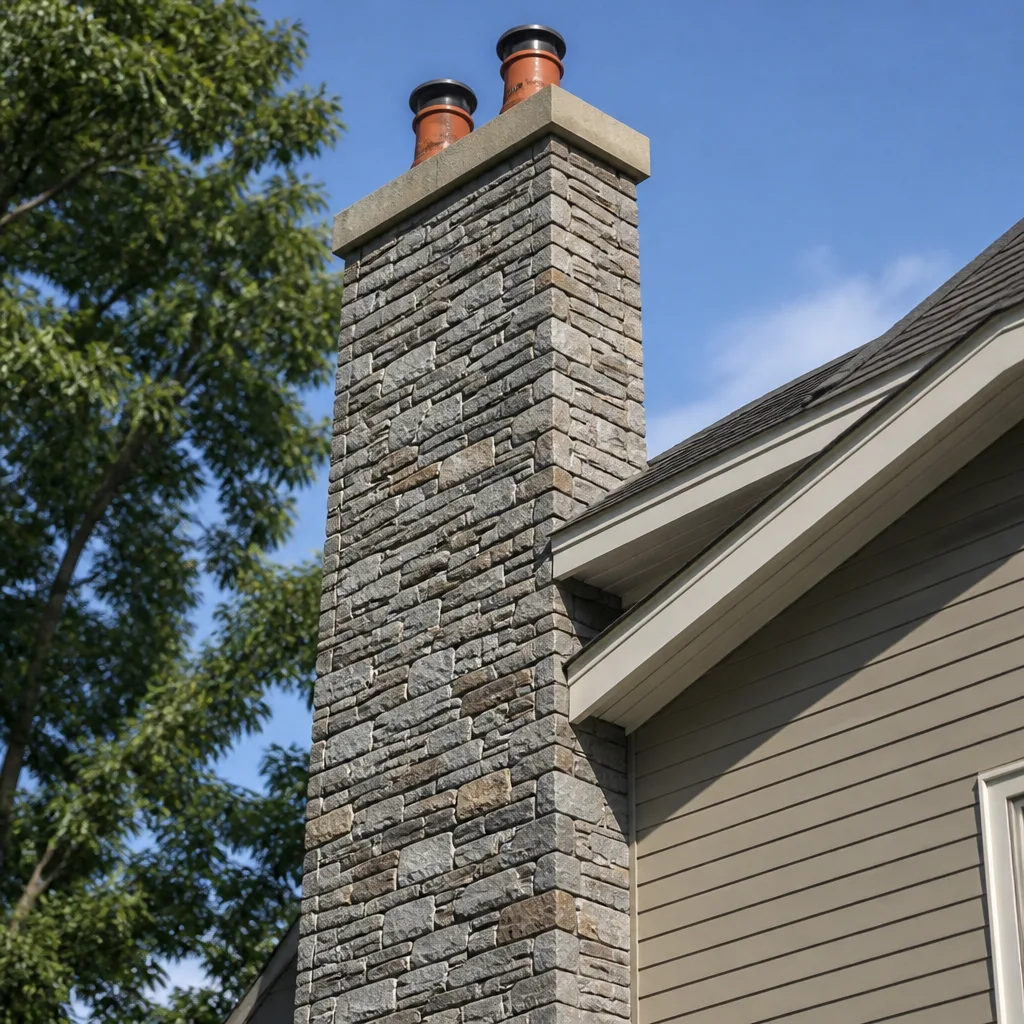
 Masonry repair
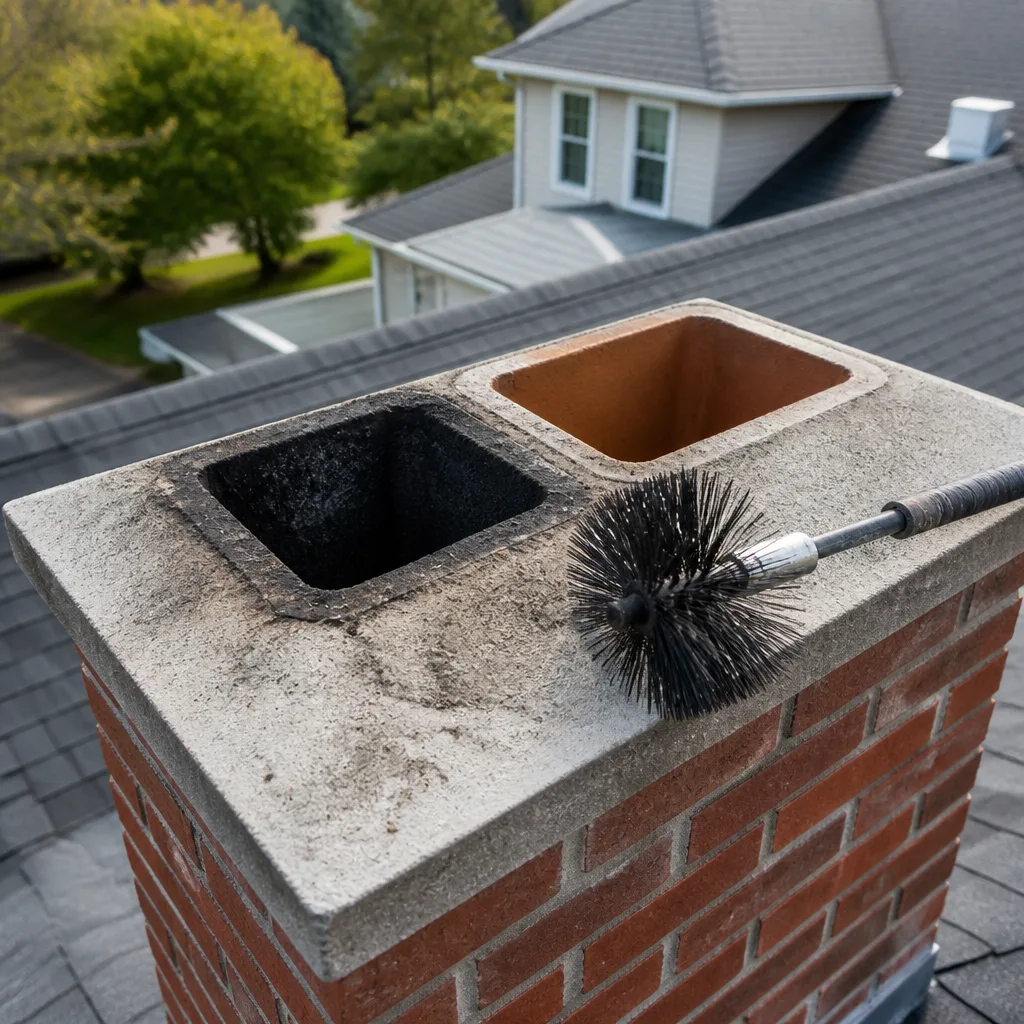 Sweep & inspection
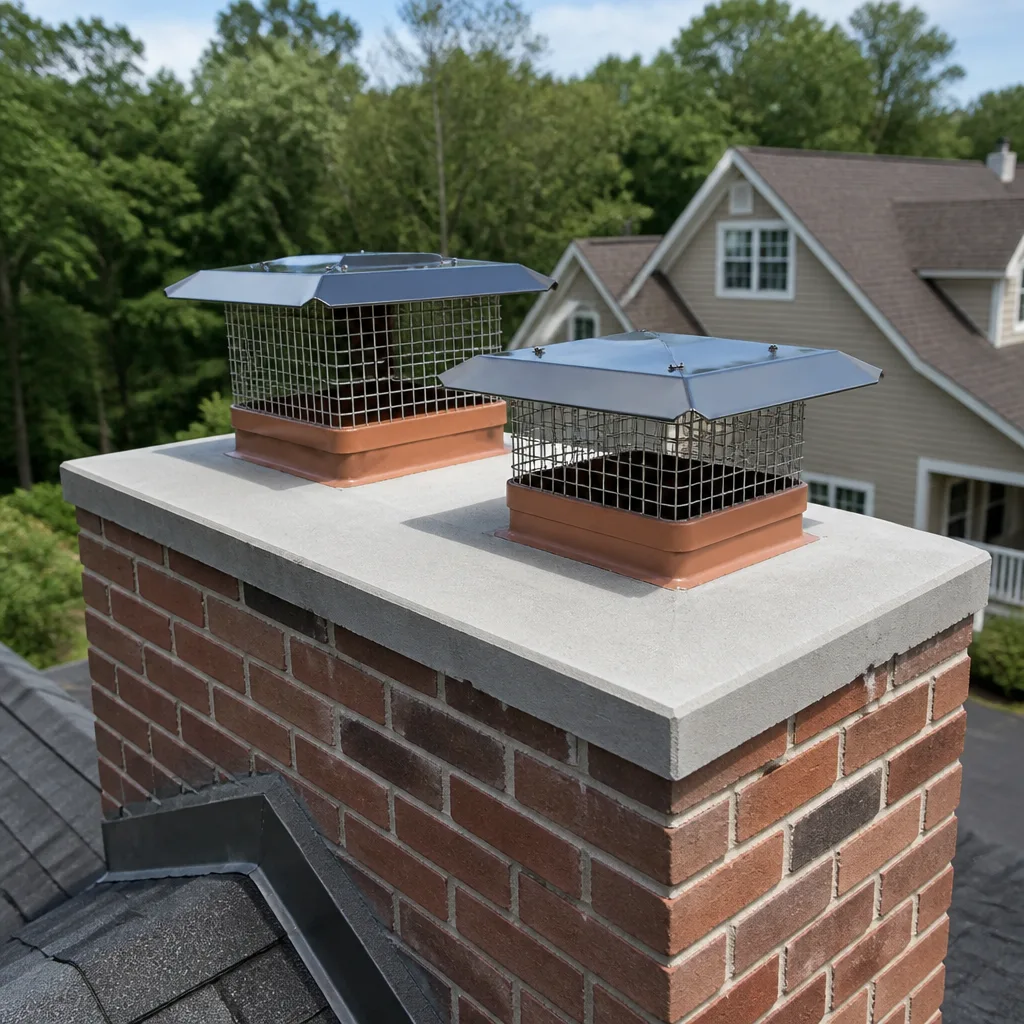 Caps & crowns
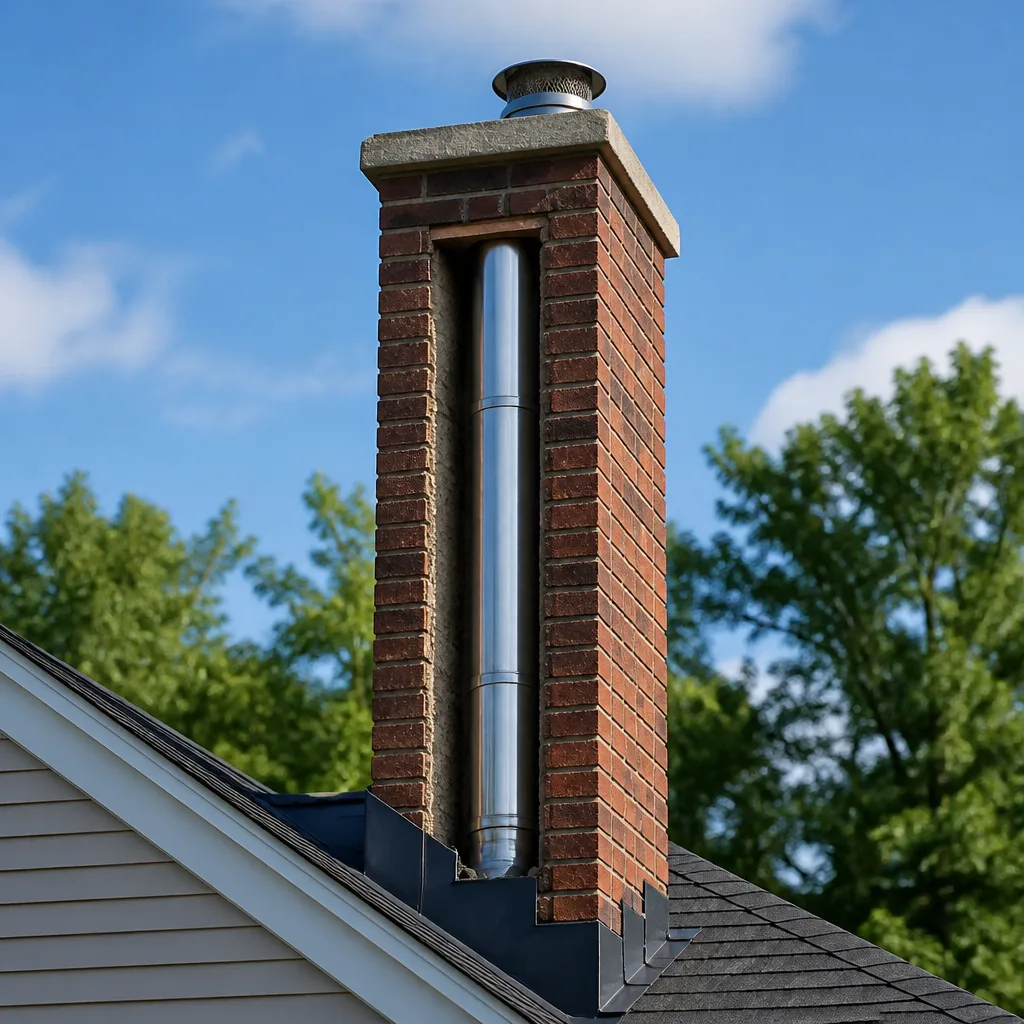 Flue relining
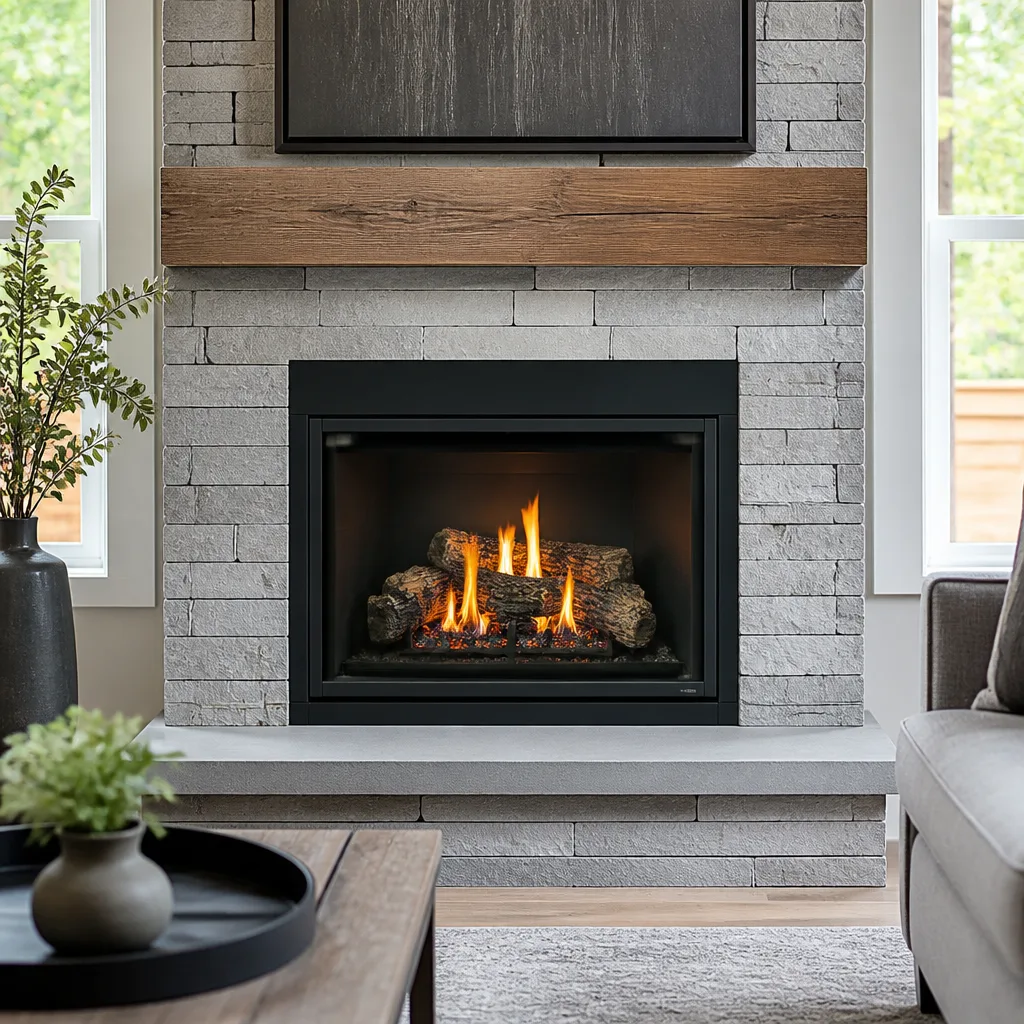 Gas fireplace service
Level 1 sweep and inspection to the NFPA 211 annual standard - flue, crown, cap, and flashing checked and photographed
Chimney sweep logs do not sweep chimneys. They loosen some creosote - which then falls where a brush and vacuum still have to collect it.
Gelco Gas Fireplace Repair in Austin: What to Know First
Gelco gas fireplace repair in Austin runs $185 to $640 for most common failures, and our techs complete roughly 80% of Gelco jobs in a single visit because we stock the failure-prone parts these units actually need. We are an independent Gelco service provider, not a manufacturer warranty center, which means we diagnose your unit honestly and tell you when a repair makes sense and when it doesn’t. If you own a Gelco gas fireplace and it’s clicking without lighting, throwing a weak flame, or shutting off mid-burn, call (361) 603-5116 and describe what’s happening. We’ll give you a straight answer before anyone rolls a truck.
This page is for Austin homeowners with a Gelco direct-vent or vent-free gas fireplace who want to know what’s wrong, what it costs to fix, and whether the repair is worth doing. No brand-speak, no upsell pressure. Just the specific ways Gelco units fail in Central Texas and how we approach each one.
How Gelco Products Fail – and How We Fix Them
Gelco built a lot of gas fireplaces under their own name and for private-label builders, particularly in the direct-vent and vent-free categories. What we see in Austin homes tracks closely with our climate and the age of the install. Here are the five most common Gelco-specific failures we repair:
- Thermopile voltage drop on the Gelco VF series. The vent-free Gelco units that went into Austin homes in the late 2000s use a thermopile that degrades faster than the thermocouple. The symptom is a pilot that stays lit but the main burner won’t catch, or the burner kicks on and drops out after ten minutes. We test millivolt output at the valve before replacing anything. A good thermopile reads around 500 to 750 millivolts under load. When it’s dragging at 200, the part’s done. We replace it with a unit that holds proper voltage, not a knockoff that drifts within a season.
- Oxide buildup on burner ports in direct-vent models. Gelco direct-vent burners, especially the 42-inch and 36-inch builders’ grade units, develop a crust of white oxidation on the burner ports because of how the flame pulls moisture from the combustion air. You’ll see lazy yellow flames instead of crisp blue ones, and usually some sooting on the glass. We pull the burner, clean the ports with the right gauge wire, and check the air shutter adjustment. Most companies swap the burner for $400. We clean it first when it’s structurally sound and only recommend replacement when the ports are eroded.
- Valve solenoid failure on the Gelco remote-ready units. If you’ve got a Gelco with a wall switch or remote and you hear a click but no gas flow, the solenoid on the gas valve is the usual suspect. This one confuses people because the pilot’s fine and the thermopile tests fine, but the valve just won’t open. We confirm with a continuity test on the solenoid coil, then replace the valve or the solenoid assembly depending on what Gelco installed on your specific model year. We carry the common replacements and can source the oddballs within a few days.
- Glass seal leaks on vent-free Gelco units. The vent-free Gelco fireplaces pull room air in around the glass frame, and over several Austin summers the gasket material dries out and shrinks. You’ll notice the flame pattern getting unstable, maybe some interior discoloration, or the unit’s ODS (oxygen depletion sensor) tripping more often than it used to. We replace the glass gasket and re-torque the frame to spec. This is one of those repairs that sounds small but changes how the whole unit burns.
- Flame sensor phantom shutdowns on the Gelco Firelight series. The Firelight models that a lot of Austin builders put in custom homes during the 2010s use a flame rectification sensor. When that sensor gets a fine coating of dust or carbon, it stops proving flame and the system shuts the gas off as a safety measure, usually right after ignition, usually when you’ve got company over. We pull the sensor, clean it with the correct non-conductive abrasive, and check the microamp reading at the control module. If it’s not holding steady, we replace the sensor and often the module ground wire, which is the other half of that circuit people miss.
Styles & brands we work with
Our Gelco Gas Fireplace Repair Process
Here’s what happens when you book a Gelco repair with Hadley Chimney Austin:
- 1
You call, a person answers. No voicemail tree. We ask what the fireplace is doing, what model or remote you have, and when it started. That conversation tells us which parts to bring.
- 2
You get a live arrival window. Our techs run tracked vehicles, so you see who’s coming and when they’ll be at your door. No four-hour guessing game.
- 3
We diagnose before we touch anything. The tech tests the pilot assembly, thermopile or thermocouple voltage, valve operation, and gas pressure at the unit. If we need a camera scope in the firebox or behind the burner, we use one and show you the photo. Cory’s rule holds: “I’ll show you the photo first. Then we’ll talk.”
- 4
You get a written price. We tell you exactly what’s failed, what it costs to fix with OEM or quality aftermarket parts, and whether the repair is worth doing on your specific unit. You approve before we order anything or turn a wrench.
- 5
We complete the repair and test it. The fix gets done, the unit gets run through a full safety check, and we photograph the finished work so you see what was done.
- 6
You get a written guarantee. Every Gelco repair carries our 365-Day Done Right Promise. If that repair fails within a year, we come back and make it right at no charge.
See the difference
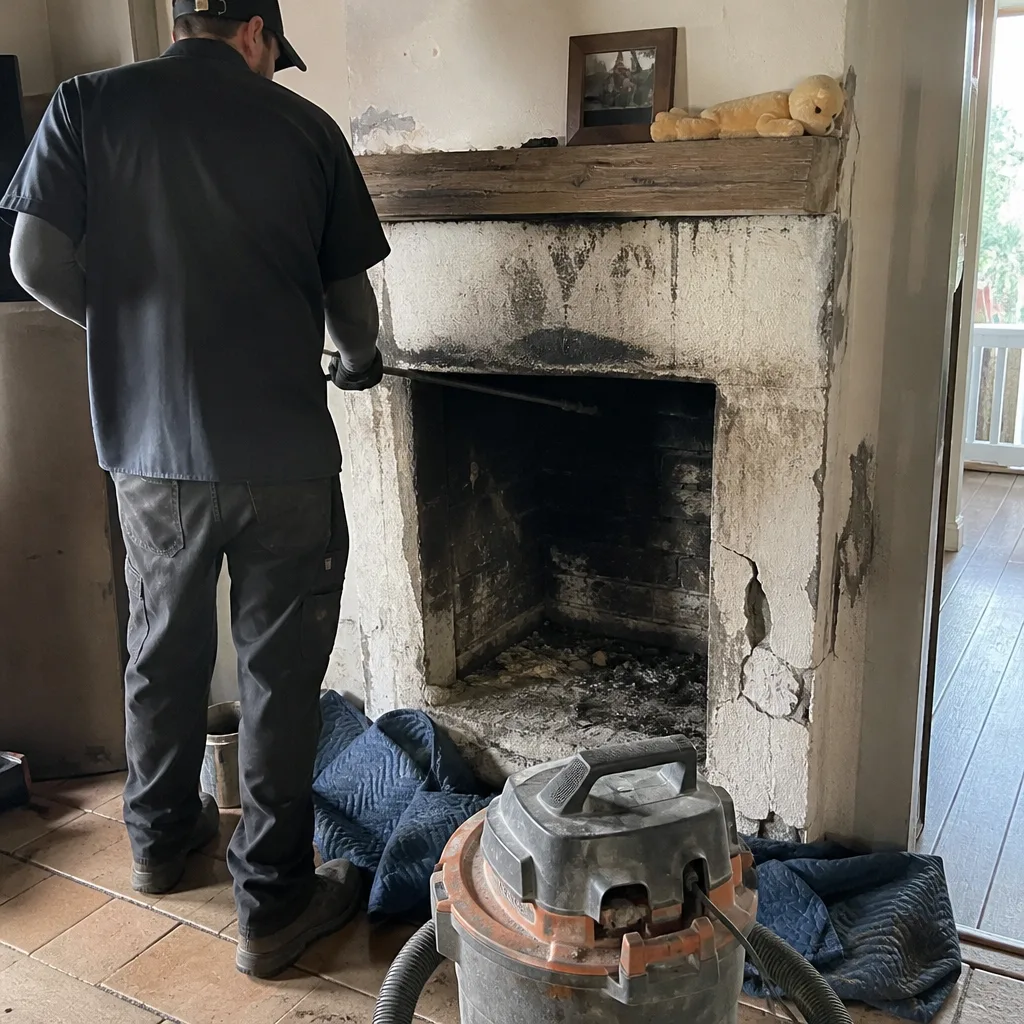 Before
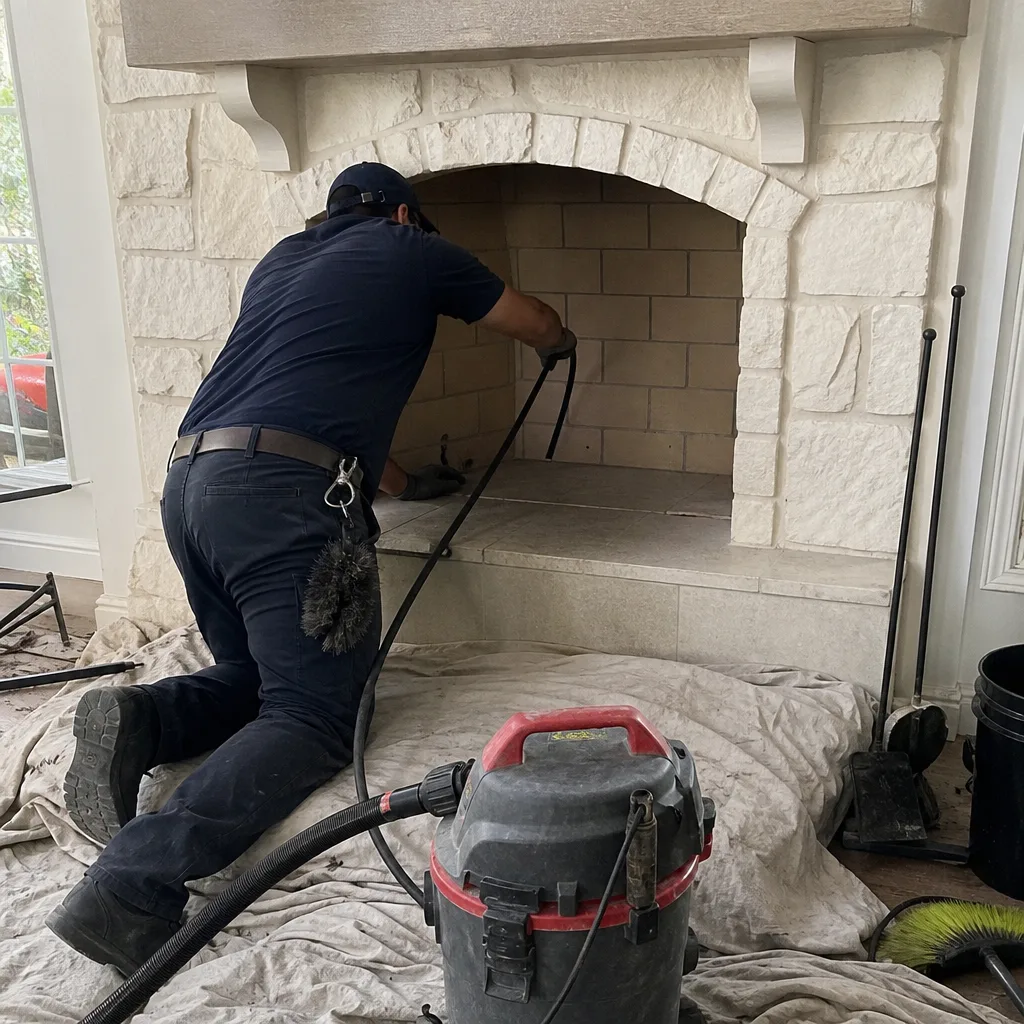 After
After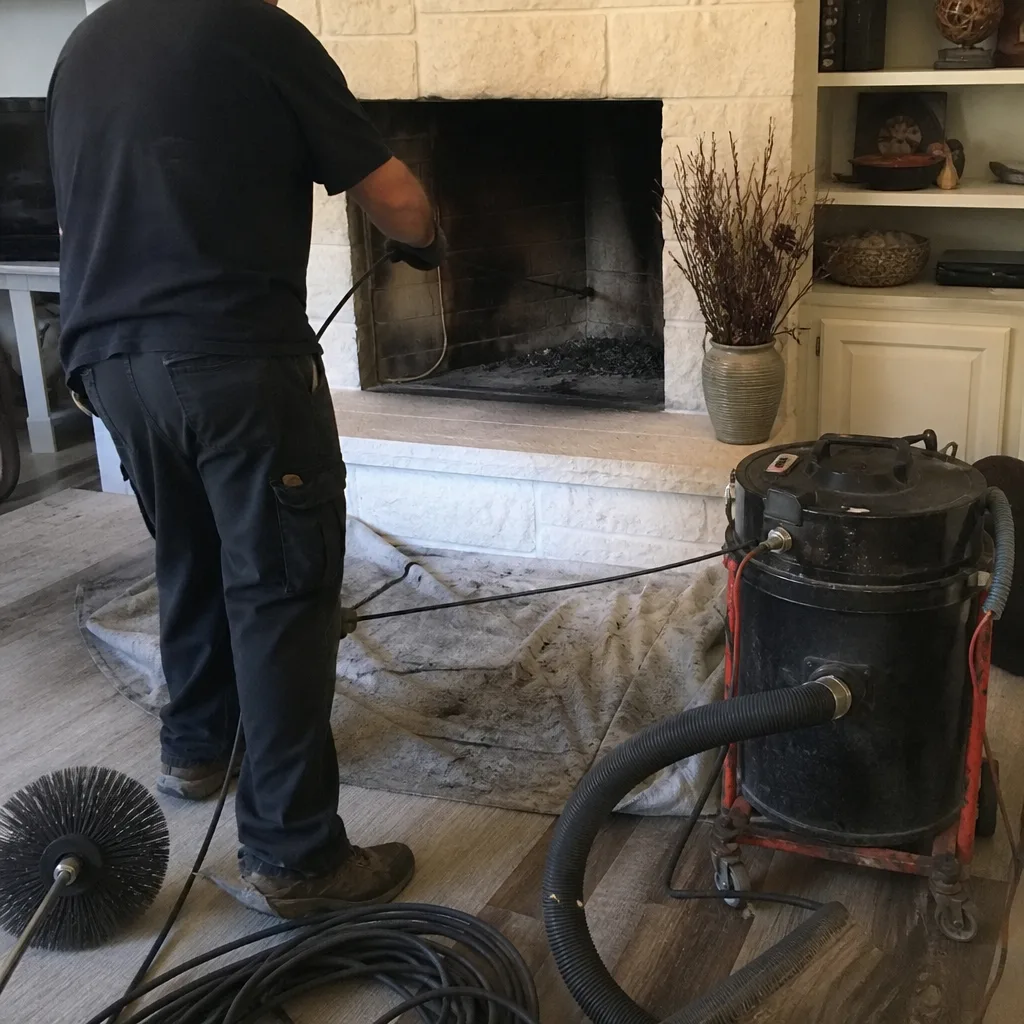 Before
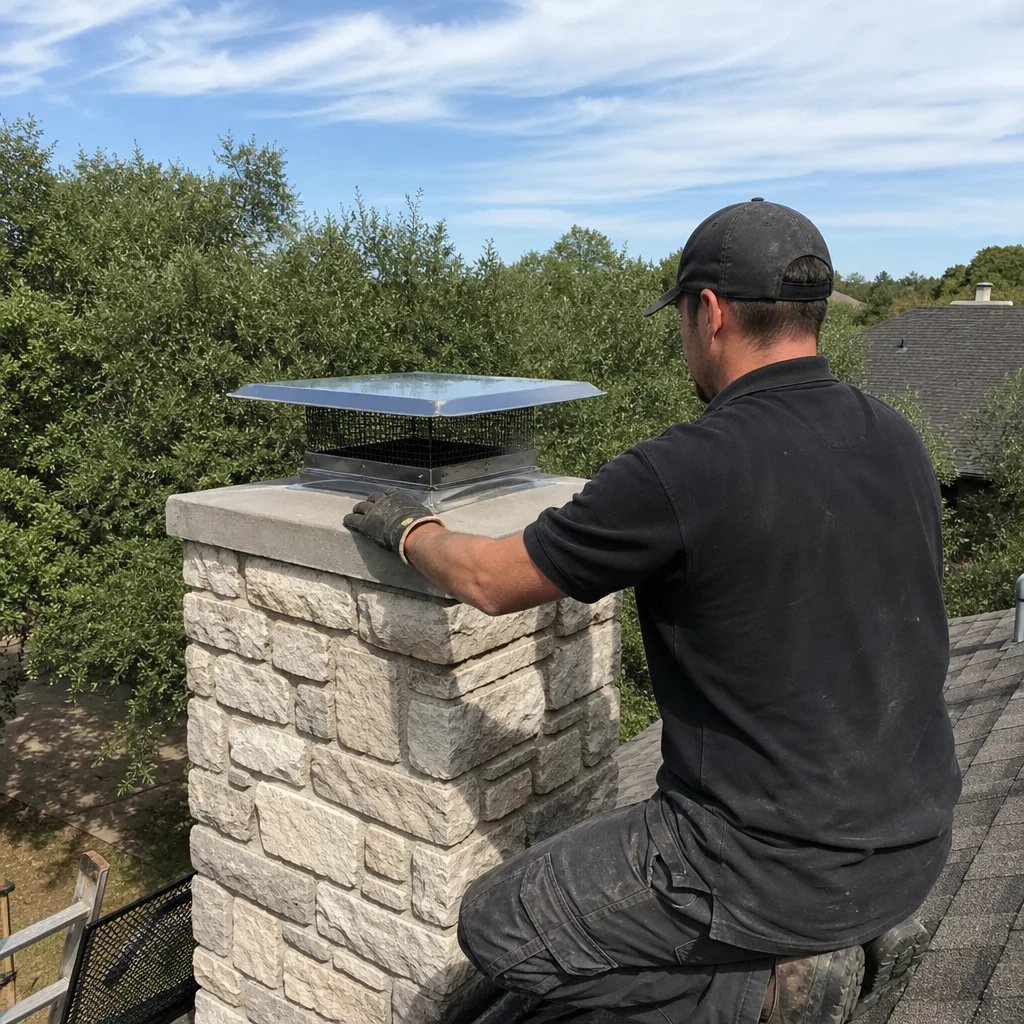 After
After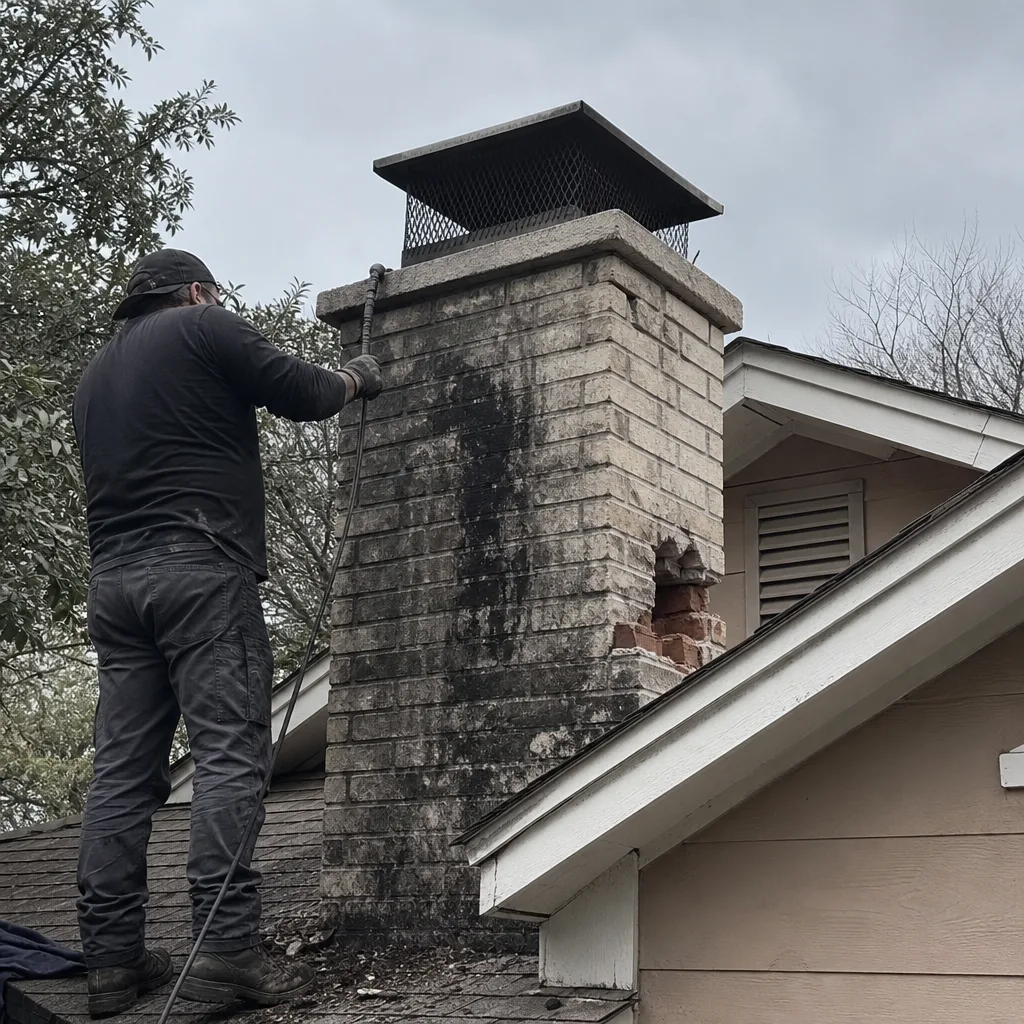 Before
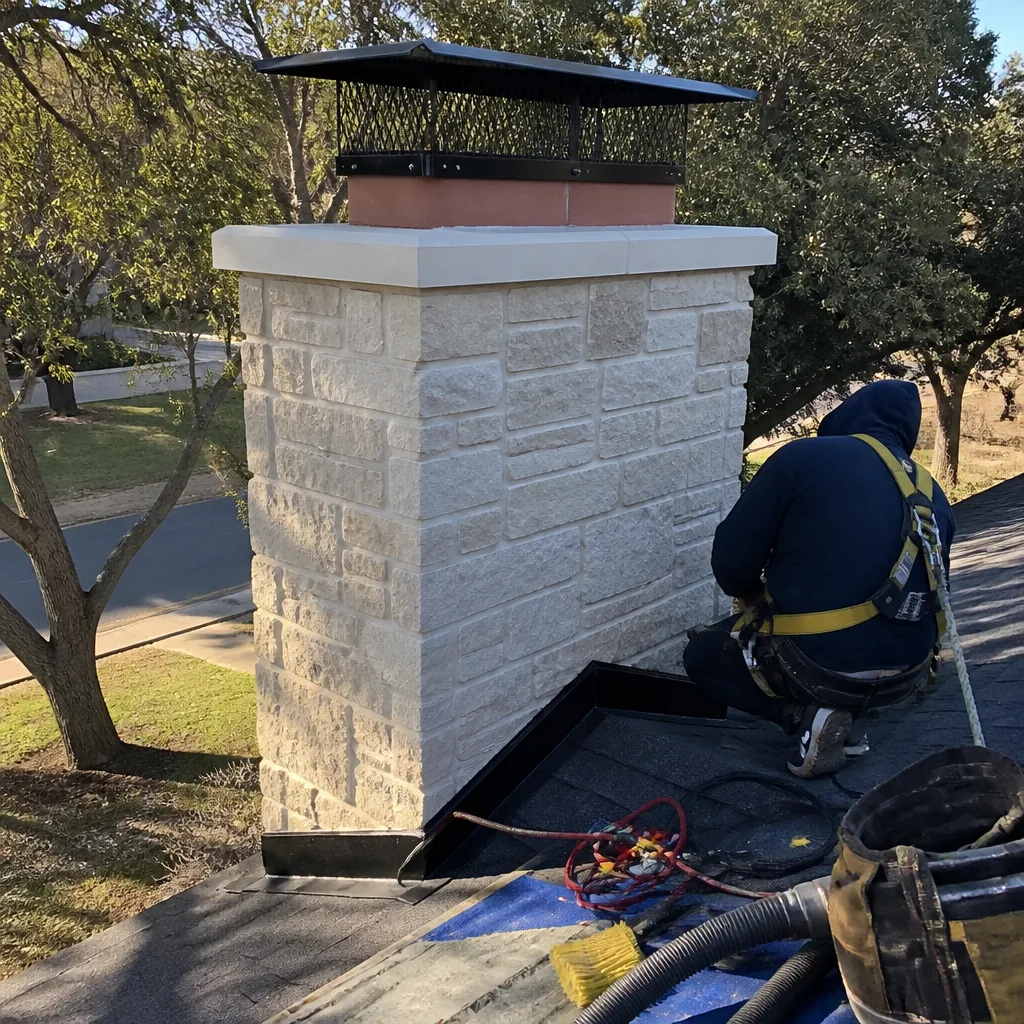 After
AfterWhat Gelco Gas Fireplace Repair Costs in Austin
Here’s what we’ve seen across Austin for Gelco-specific work, from Hyde Park to Circle C:
- Diagnostic visit with full system test: $89 to $149, credited toward repair if you proceed
- Thermopile or thermocouple replacement: $185 to $285
- Burner cleaning with port work and air shutter adjustment: $150 to $260
- Gas valve or solenoid replacement: $310 to $520 depending on model and valve type
- Glass gasket replacement and frame re-torque: $120 to $220
- Flame sensor cleaning or replacement: $140 to $260
- Full firebox teardown, clean, and reassembly with new gaskets: $380 to $640
What moves the price: model year, whether we’re using OEM or quality aftermarket parts, and how much has degraded from Austin’s humidity and hard water dust. Every quote is written before work starts, and there’s zero charge if you decide the repair isn’t worth it. Call (361) 603-5116 for an exact quote on your unit.
Why Austin Homeowners Call Hadley Chimney Austin for Gelco Work
Gelco units have their own quirks, and most techs don’t see enough of them to know the difference between a valve problem and a sensor ground problem. We do. Cory Mitchell and our crew have been pulling apart Gelco units across Austin since before the average technician had a smartphone in the truck. We also carry the backup expertise for the adjacent brands: when a Gelco unit has a damaged liner, we work with DuraFlex systems, and when a firebox needs ceramic repair, we use HeatShield compounds. That means we don’t hand you off to another company when the repair crosses into chimney work. One call, one team, one written guarantee.
Every Gelco repair includes the Relay Visibility Guarantee: live arrival tracking, before-and-after photo documentation, and a written price before work begins. And because we’re part of the Relay Home Co. family, held to The Relay Standard, the service you get on a Tuesday afternoon is the same service you get on a Saturday in January. No excuses, no surprises.
FAQs
No, we’re an independent Gelco service provider, not a factory-authorized warranty center. That said, we use OEM and quality aftermarket parts that meet or exceed the original specs, and our written 365-Day Done Right Promise covers the work we do regardless of manufacturer warranty status. Call (361) 603-5116 if you want us to look at whether a Gelco repair falls under your original warranty before we quote.
We typically schedule Gelco repairs within two to five business days across Austin, and we run tracked arrival windows so you’re not sitting around waiting. If it’s mid-winter and your fireplace is your primary heat source, tell the person who answers the phone and we’ll do our best to prioritize you. Call (361) 603-5116 and we’ll give you a real date and a real window.
We stock the most common Gelco failure parts: thermopiles, thermocouples, flame sensors, solenoids, gaskets, and control-module ground kits. For less common parts, we source from the same wholesale channels that supply the Texas hearth industry, usually within three to five days. We’ll tell you upfront if your repair needs a part we have to order, and the price won’t change once we know what it costs.
If your Gelco unit is under 15 years old and the failure is one of the common ones we listed above, repairing it almost always makes more sense than replacing it. Replacement runs $2,500 to $6,000 installed for a comparable quality unit in Austin, while most Gelco repairs land under $500. If your unit is 20-plus years old with a cracked firebox and a failing valve, we’ll tell you plainly that replacement is the smarter money. We don’t profit from either answer, but we’ll show you the evidence before you decide.
Our 365-Day Done Right Promise covers every Gelco repair with a written guarantee, and if the same repair fails within a year, we return and fix it at no charge. That’s not a promotional offer. It’s how we’ve operated since 2003, and it’s why we’re picky about the parts we install and the way we test before we leave. Call (361) 603-5116 for a free estimate.
Written by Cory Mitchell, Owner, Hadley Chimney Austin at Hadley Chimney Austin, serving Austin and nearby areas.