
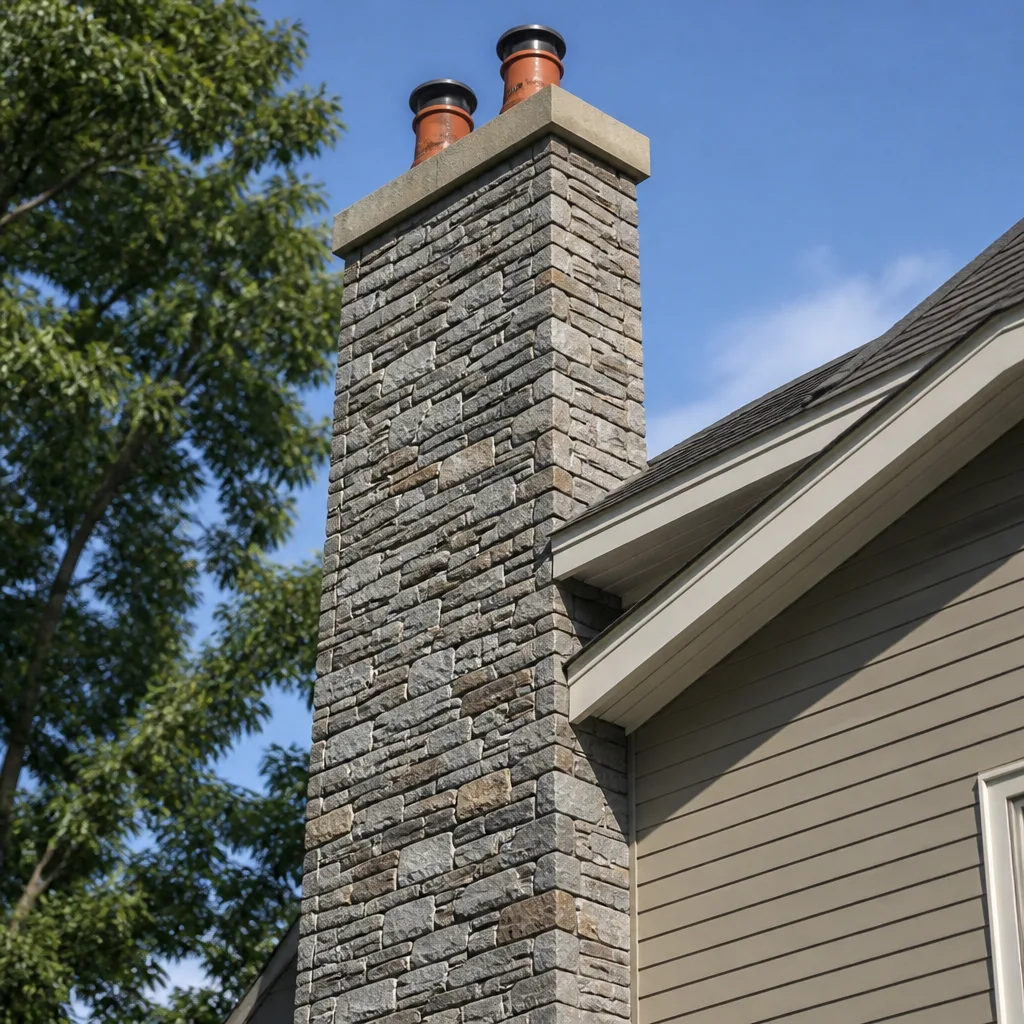
 Masonry repair
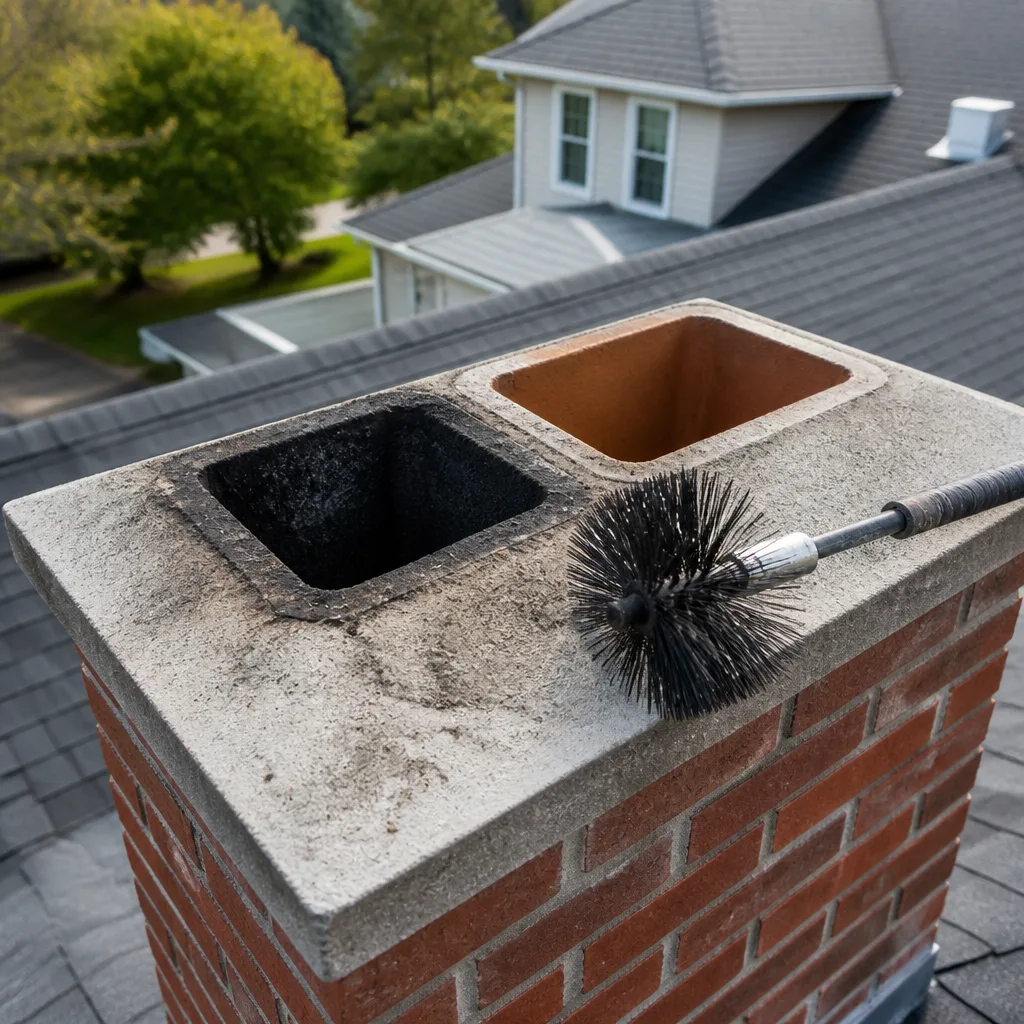 Sweep & inspection
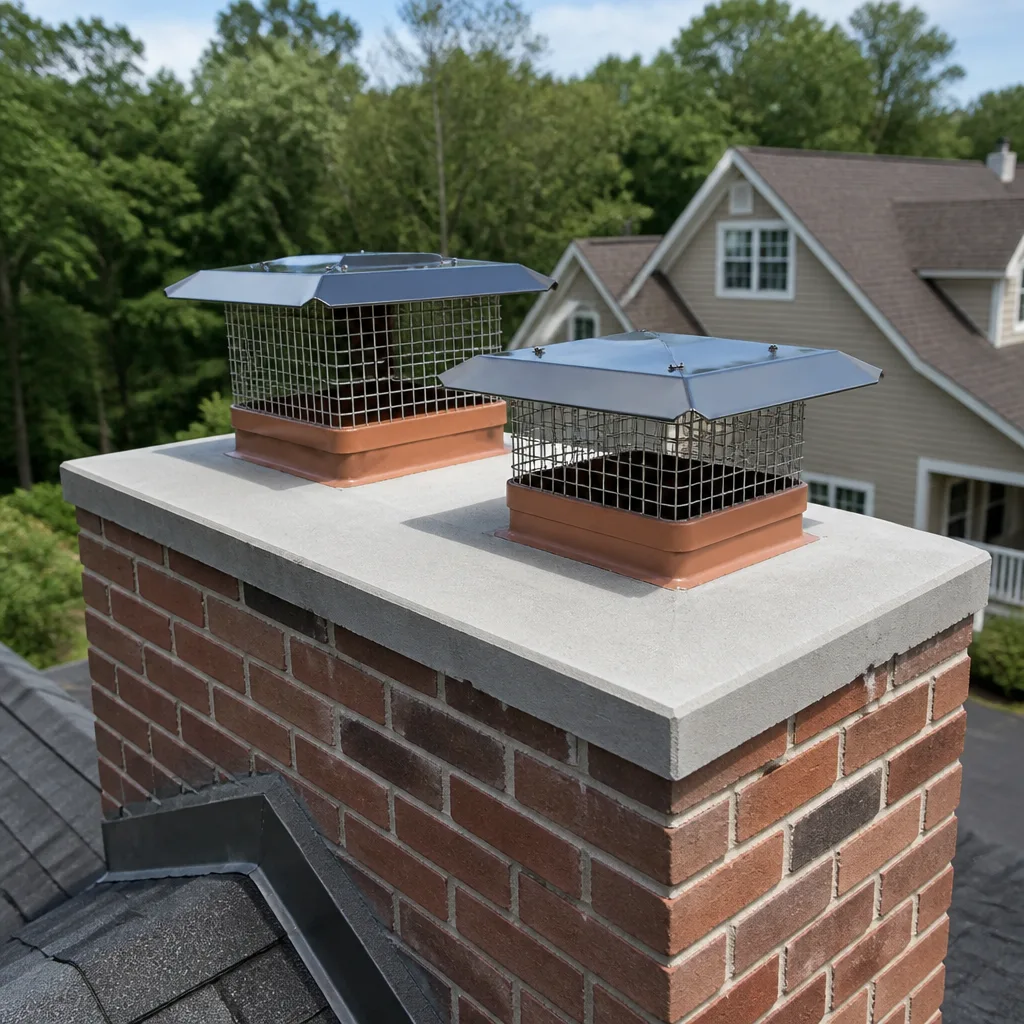 Caps & crowns
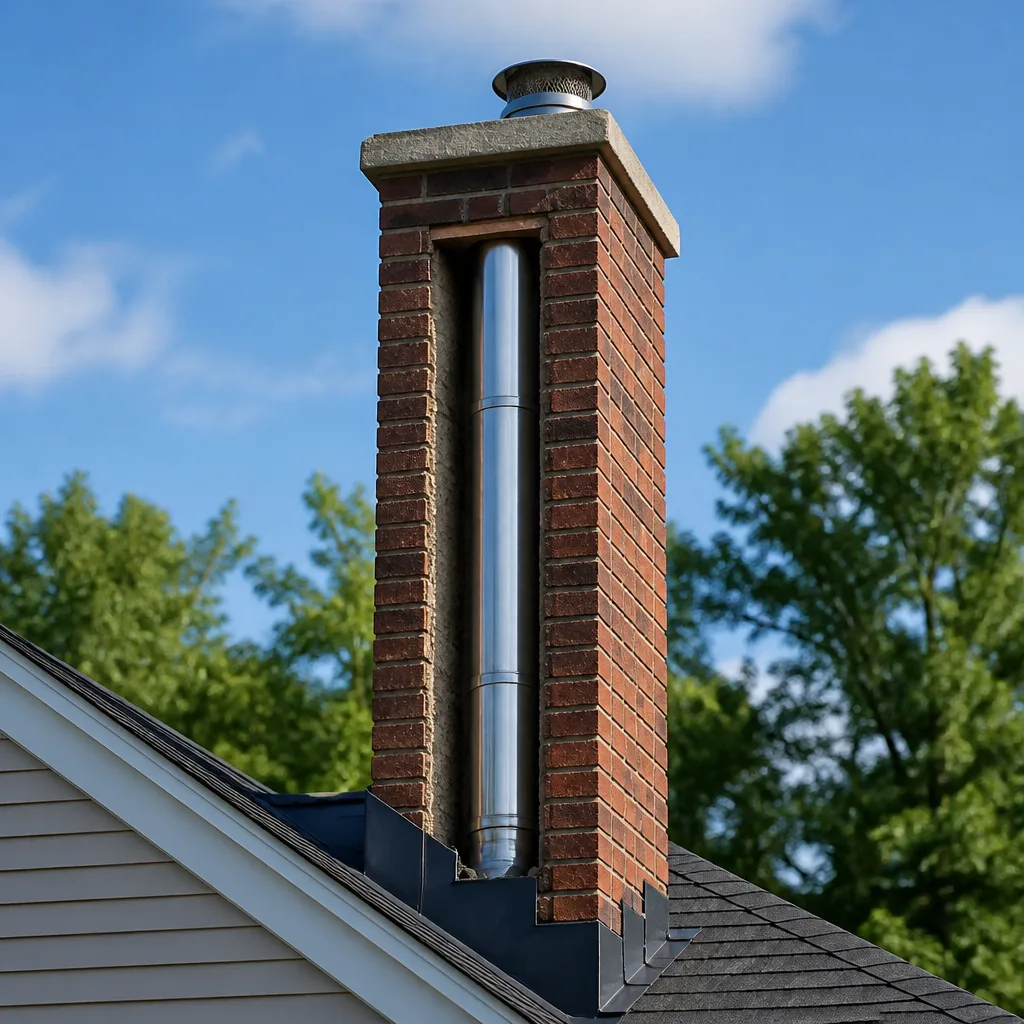 Flue relining
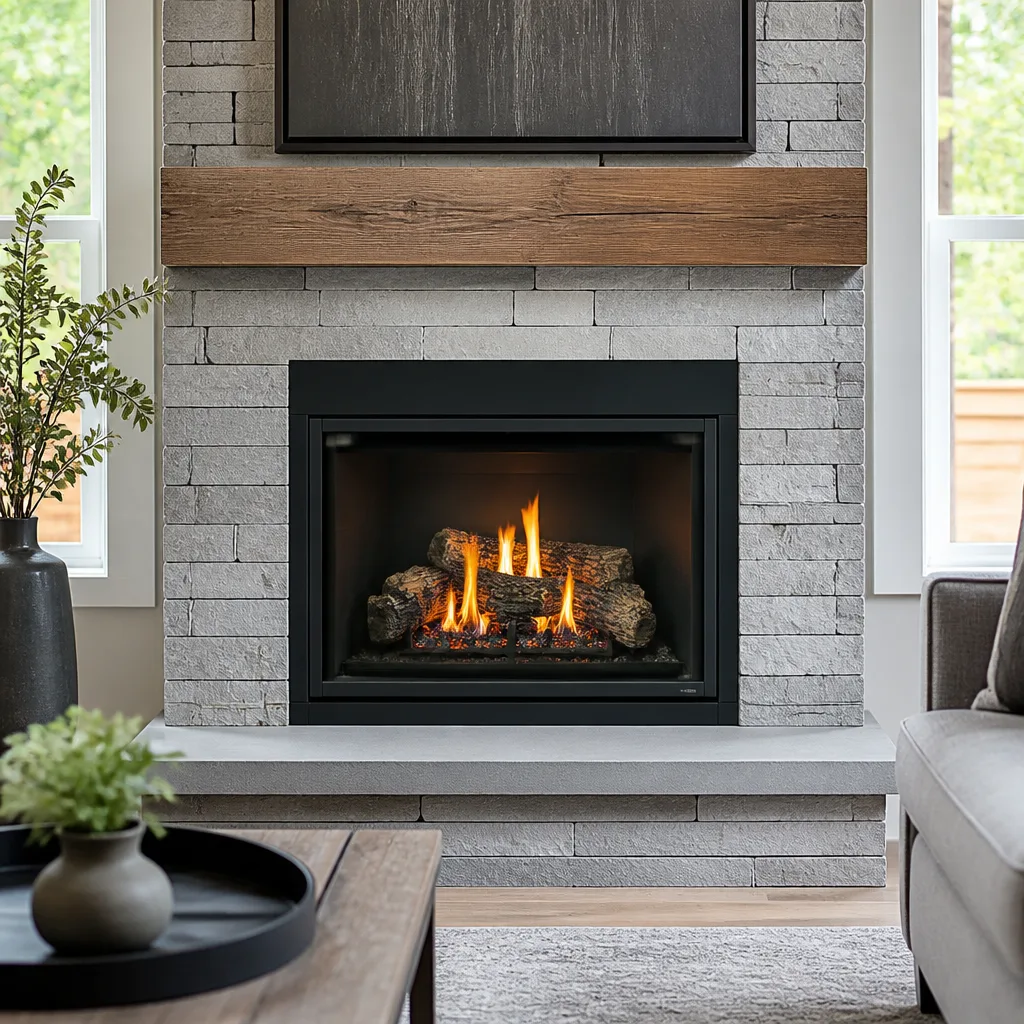 Gas fireplace service
Level 1 sweep and inspection to the NFPA 211 annual standard - flue, crown, cap, and flashing checked and photographed
Chimney sweep logs do not sweep chimneys. They loosen some creosote - which then falls where a brush and vacuum still have to collect it.
HeatShield Chimney Repair in Austin: What to Know First
HeatShield chimney repair in Austin typically runs $800 to $2,400 depending on how much of the flue needs treatment, and most jobs are completed in a single visit once we’ve scoped the liner and confirmed the damage. We’re an independent HeatShield service provider, not a factory-authorized shop, which means we make repair decisions based on what’s actually inside your flue, not on what preserves a manufacturer relationship. If you own a home in Austin with a HeatShield-treated chimney and something’s failing, call (361) 603-5116 and we’ll get a camera up there. Cory Mitchell and the crew at Hadley Chimney Austin have been repairing these systems for years, and we’ll show you the photo first. Then we’ll talk.
This page is for Austin homeowners who already have a HeatShield cerfified liner or have been told they need one. If you’re just starting research, it’ll still help, but the specifics below assume you own the system or are about to.
How HeatShield Products Fail – and How We Fix Them
HeatShield is a ceramic repair compound applied inside existing flue liners. It’s a legitimate product when the underlying masonry is sound. It is not, however, a permanent fix for every chimney, and in Austin’s climate we see specific failure patterns that HeatShield’s own literature doesn’t emphasize. Here’s what we actually find.
- Cerfractory Flue Sealant delamination at the smoke chamber shelf. The transition where the firebox narrows into the flue is the highest-stress point for any liner treatment. HeatShield’s Cerfractory material expands and contracts at a different rate than the surrounding masonry, and in Austin’s hot-cold cycling between summer heat and occasional winter freezes, we see it lift away from the clay tile at this transition more than anywhere else. The fix is removing the failed section, re-prepping the surface, and recasting with a bonded HeatShield-compatible compound rather than just patching over the seam.
- HeatShield 3000 series cracking from moisture intrusion behind the liner. The 3000-series restoration is only as good as the chimney’s exterior waterproofing. When Austin’s spring storm season pushes water through spalling brick or a failed crown, that moisture gets trapped between the HeatShield layer and the original tile. The ceramic layer blisters and cracks from the inside. We fix the leak first, then address the liner. No amount of HeatShield patch work lasts if water is still getting in.
- Improper original installation at the flue cap area. Some Austin HeatShield jobs we inspect show the uppermost 12 to 18 inches of the flue were never properly treated because the original applicator couldn’t reach it or skipped it. That top section takes the most direct rain and creosote vapor. We regularly find erosion there while the rest of the liner looks fine. The repair is a focused recoat of the upper flue, plus a proper flue cap installation if one’s missing or undersized.
- Creosote bonding failures in wood-burning systems. HeatShield surfaces are smoother than raw clay tile, which in theory reduces creosote adhesion. In practice, Austin homes burning unseasoned oak or cedar produce a gummy, high-moisture creosote that bonds aggressively to HeatShield’s surface after a season of moderate fires. It doesn’t just sweep off the way it does from standard clay. The repair here is a mechanical cleaning with specific care not to score the ceramic, followed by a reapplication of a creosote-release coat if needed.
- Spalling brick causing liner movement. When the exterior masonry of an Austin chimney absorbs water and spalls, the entire structure shifts microscopically. A rigid HeatShield layer can’t flex with that movement, so it develops hairline cracks that widen fast. We address this by first repairing the spalling brick and tuckpointing affected areas, then evaluating whether the HeatShield layer needs partial or full recasting. On a HeatShield job, we always check the outside structure before touching the inside.
Styles & brands we work with
Our HeatShield Chimney Repair Process
Here’s what happens when you book a HeatShield repair with Hadley Chimney Austin.
- 1
You call (361) 603-5116. A real person answers. You describe what’s wrong or just say the chimney hasn’t been checked in a while. We schedule a visit with a specific arrival window, not a four-hour guess.
- 2
We do a full camera inspection of the flue liner. Before anyone picks up a brush or a trowel, we run a scope through and photograph everything. You see what we see, in real time, on our screen or your phone.
- 3
We identify the failure and its source. HeatShield failure is rarely just the liner. We spend the extra time finding whether water is getting in from the crown, the flashing, or the masonry itself. The repair plan addresses the cause, not just the visible damage.
- 4
We give you a written price before work begins. That price covers the specific repair we discussed. It doesn’t change once we’re on the roof. If we uncover hidden damage, we stop, show you the photo, and discuss the new scope before any additional work. No surprises.
- 5
We do the repair using HeatShield-compatible materials or a clearly explained alternative. For most HeatShield work, we use HeatShield compound. If a different product like DuraFlex flexible liner or a Gelco sealant is the better call for your specific situation, we tell you why and we show you the logic. You approve first.
- 6
We test, document, and guarantee. We run the camera back through after the repair, take before-and-after photos, and give you a written 365-Day Done Right Promise. If the repair fails within that year, we come back and make it right, free.
See the difference
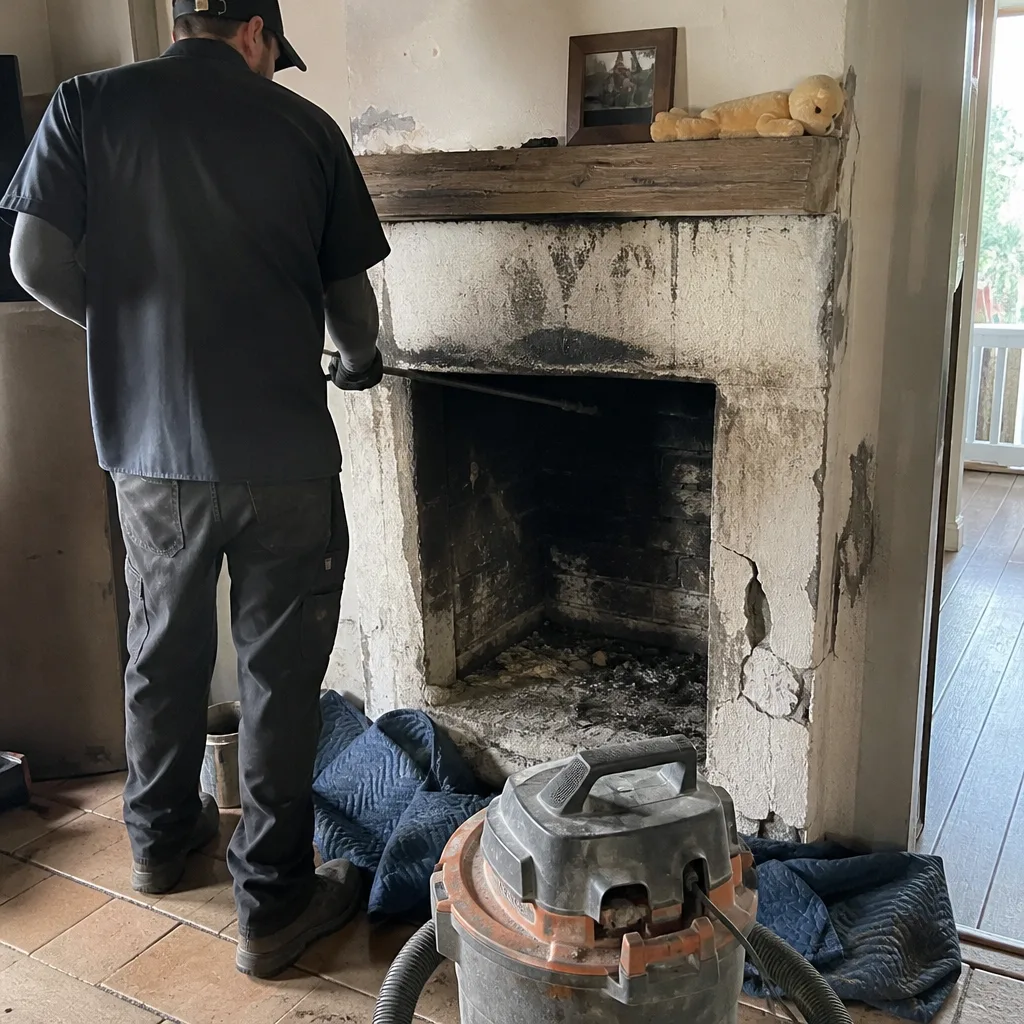 Before
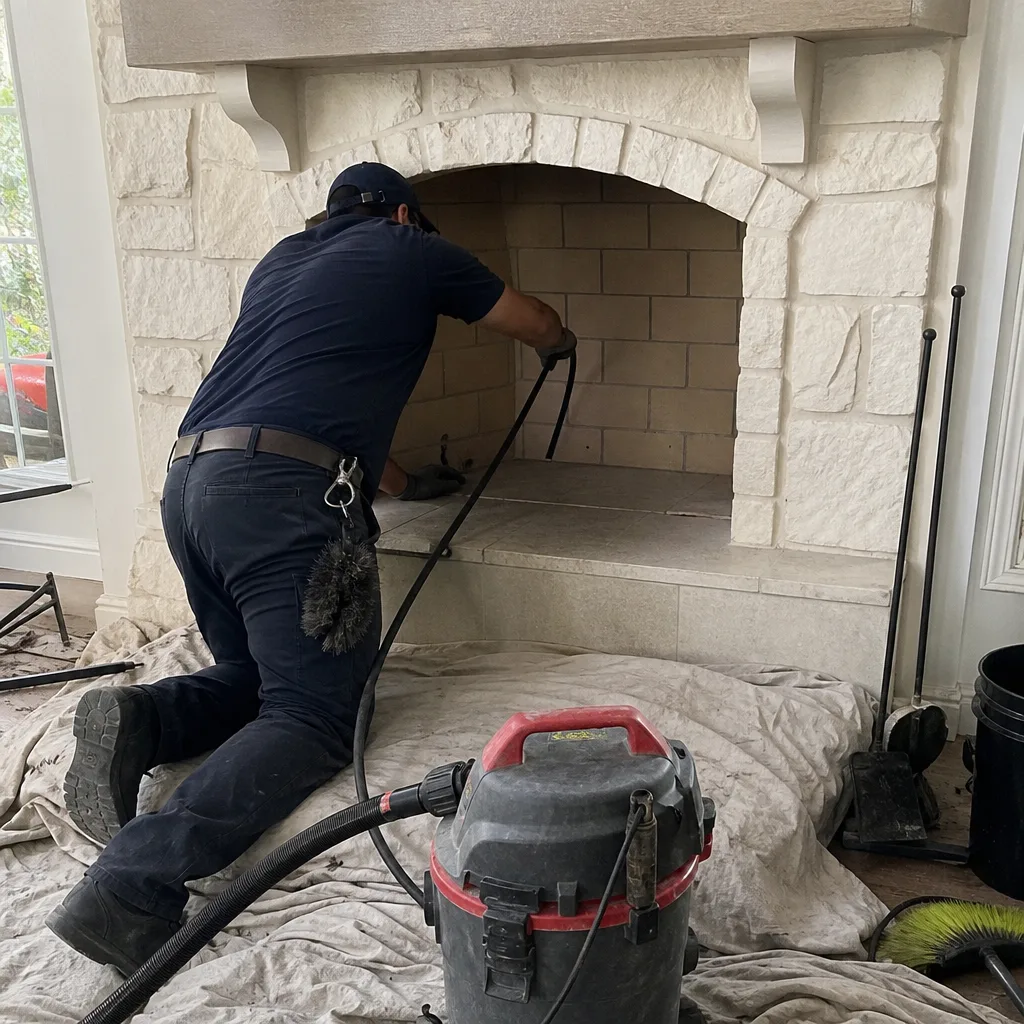 After
After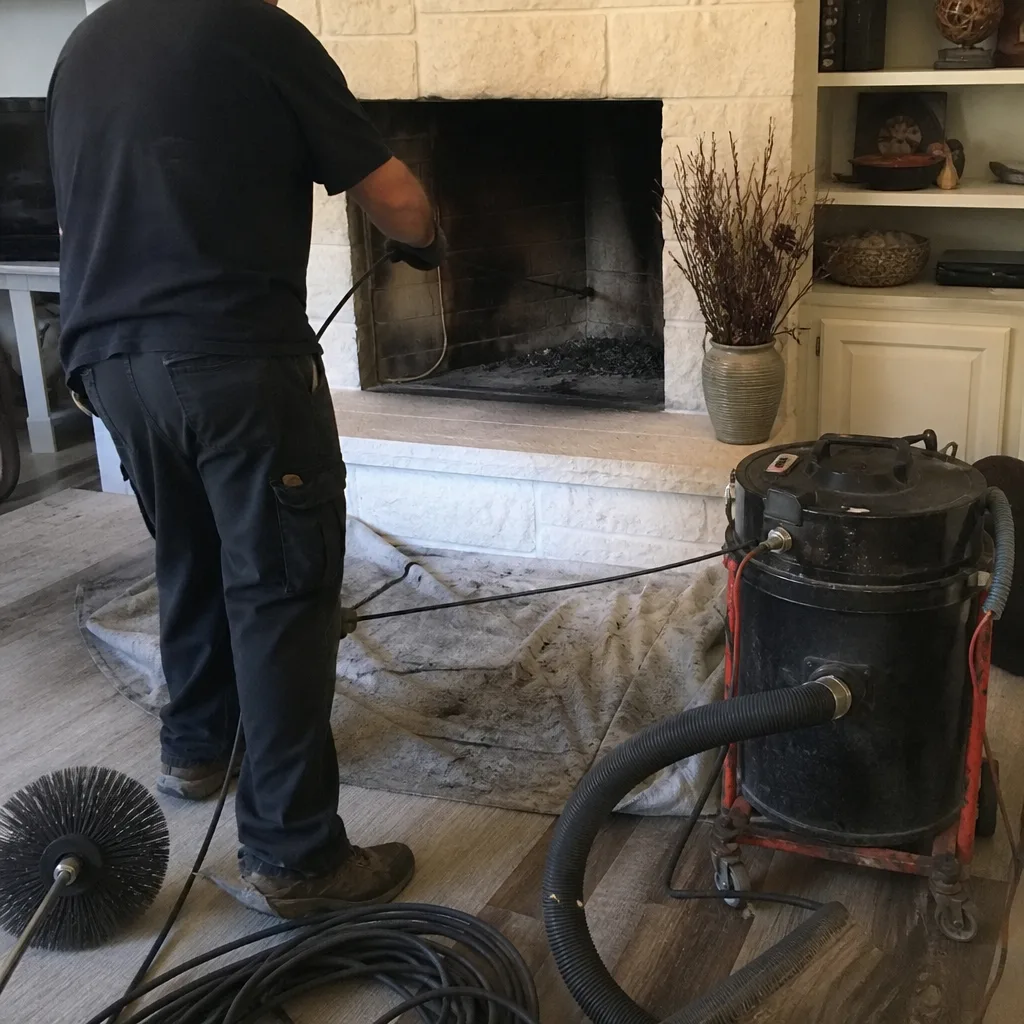 Before
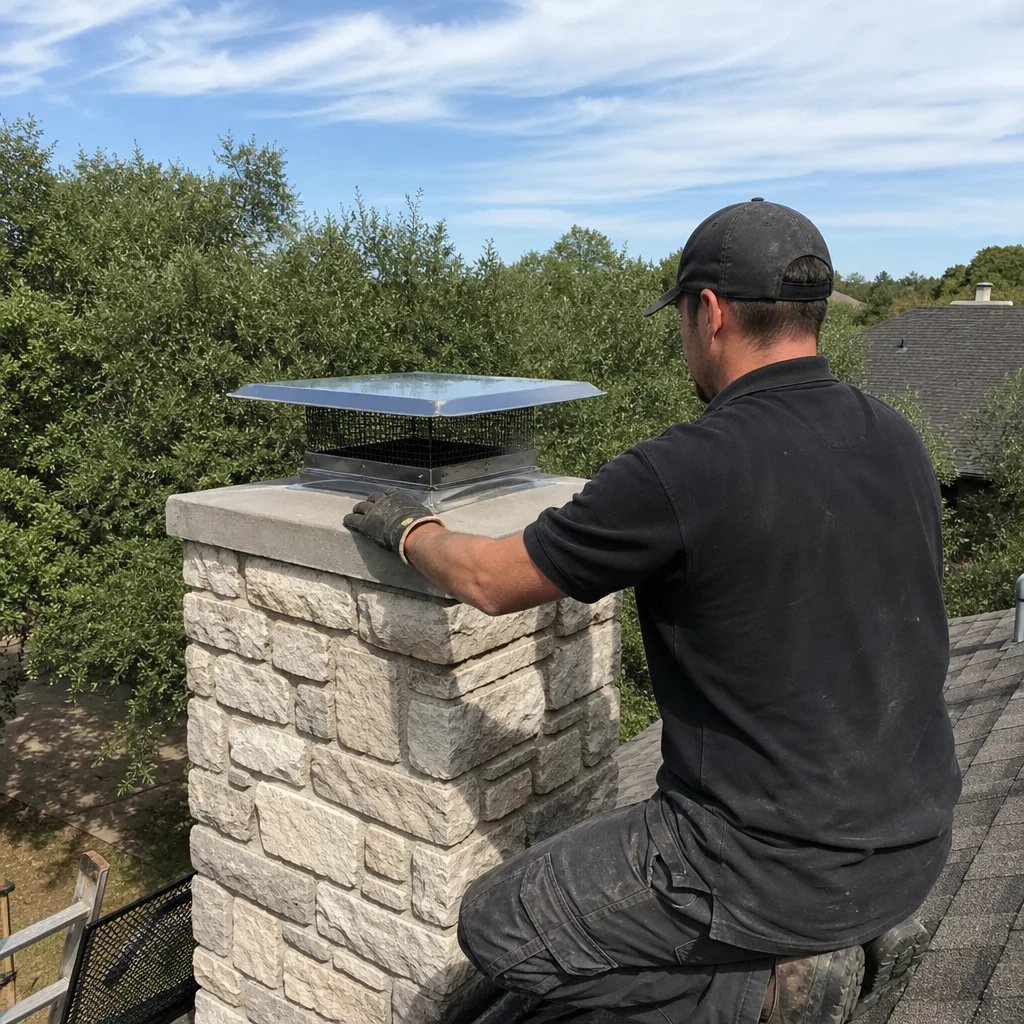 After
After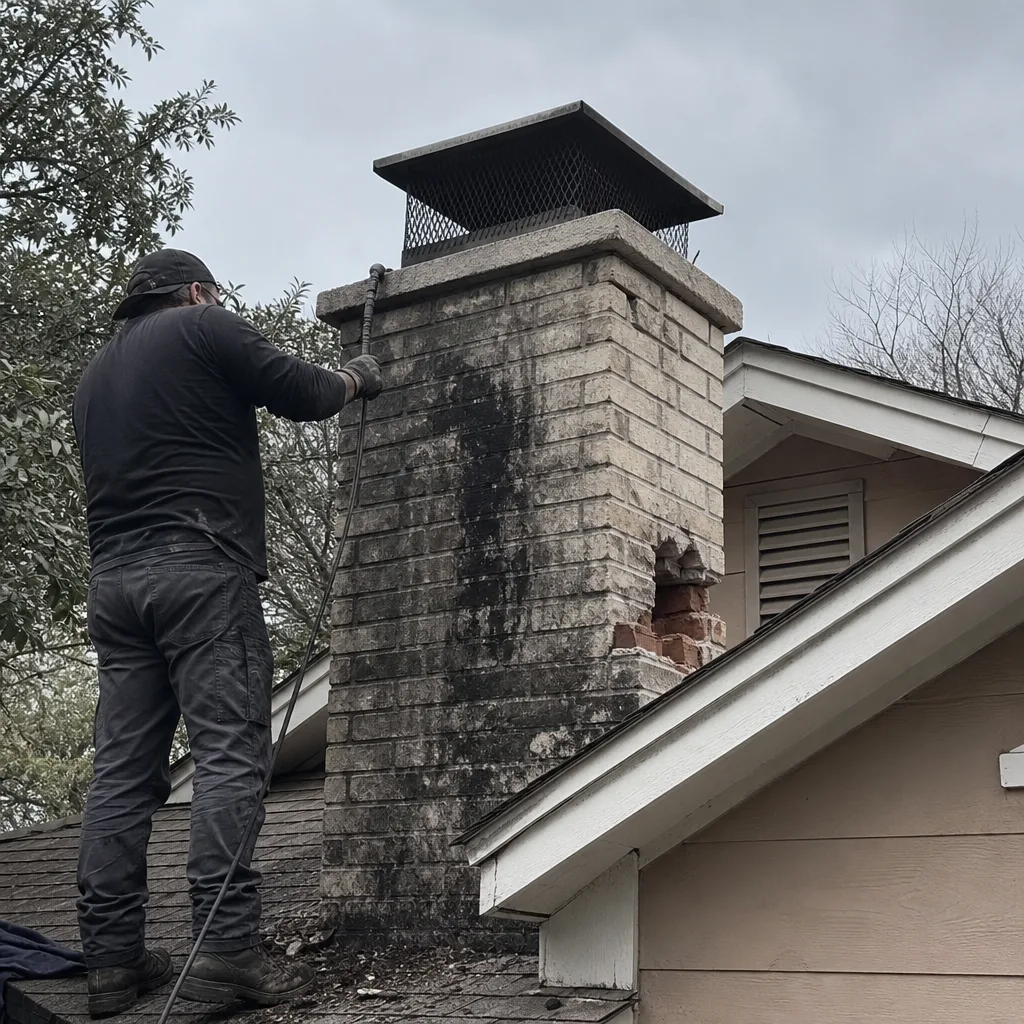 Before
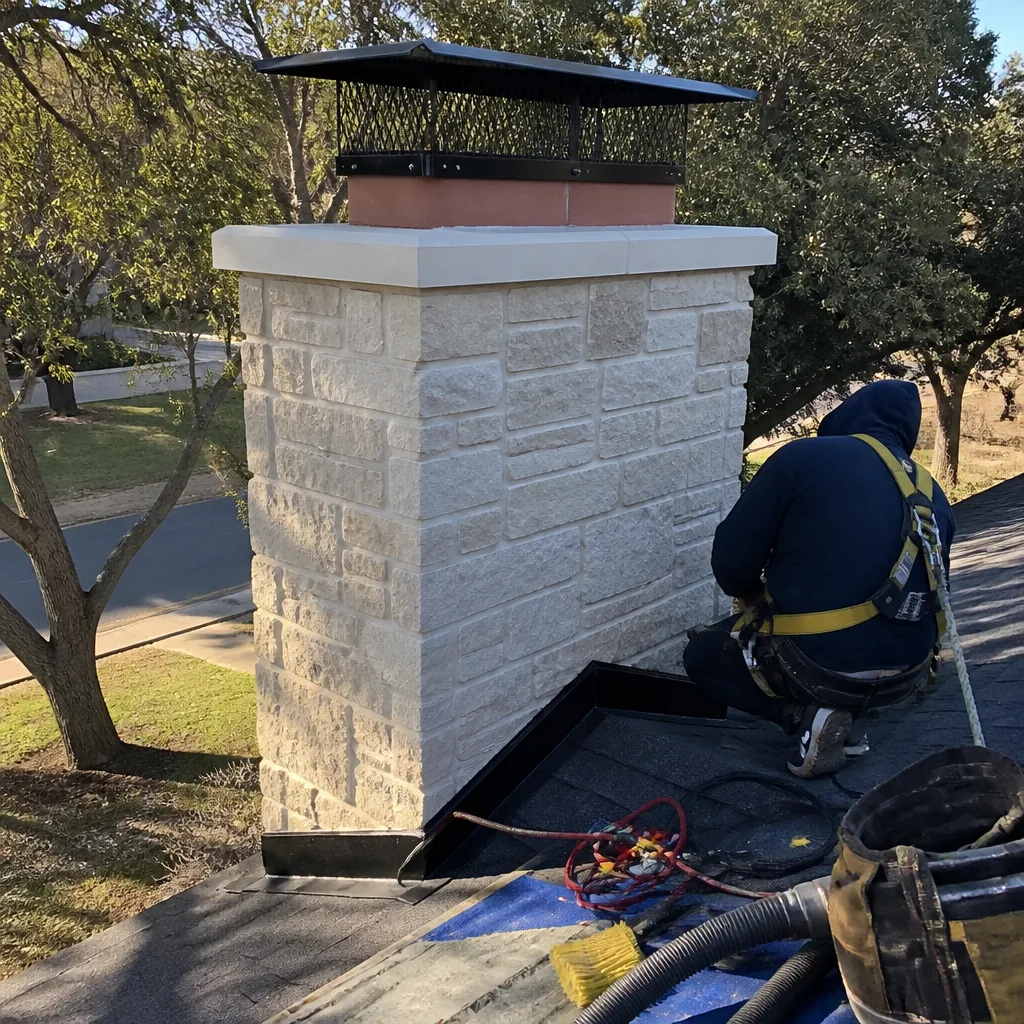 After
AfterWhat HeatShield Chimney Repair Costs in Austin
Here are the ranges we actually quote for HeatShield work in Austin, depending on what the camera shows. These assume a single-flue residential chimney.
- Partial HeatShield recoat (top 3-5 feet of flue): $800 to $1,200
- Full HeatShield recast of a single flue: $1,800 to $2,400
- HeatShield repair plus smoke chamber parging: $2,200 to $3,200
- Spalling brick repair plus liner work: $2,500 to $4,000 depending on brick access and extent
- Flashing replacement alongside HeatShield repair: add $400 to $900
What moves the price: whether the chimney is one story or two, whether we can safely reach the repair area from a ladder or need a lift, and how much surface prep the existing liner requires. If the original installation was done over dirty or damaged clay tile, the prep time goes up and the price reflects that. We give you the number before we start and it doesn’t move. Call (361) 603-5116 for an exact quote, free.
Why Austin Homeowners Call Hadley Chimney Austin for HeatShield Work
HeatShield repair is specific work. We’re not a handyman service that recoats a liner once a year. Cory Mitchell’s team has been doing chimney repair in Austin long enough to know which HeatShield failures are actual product issues and which ones are water getting in from somewhere else. That matters because you don’t need to pay for a recoat if your flashing is the real problem. Every job we do comes with The Relay Visibility Guarantee: live arrival tracking, before-and-after photo documentation, and a written price before any work begins. That’s not an upcharge, it’s how we operate. And if your HeatShield liner is beyond saving, we’re not married to the brand. We work with DuraFlex flexible liner systems and Gelco sealants too, so you get the right repair, not the one we happen to stock. Every repair carries a written 365-Day Done Right Promise. If it fails, we’re back, free.
FAQs
HeatShield warranties are typically tied to the original installing contractor, not the product itself. As an independent HeatShield service provider, we’re not bound by factory authorization rules, but we use compatible materials and document every repair so warranty claims, if any remain, are not automatically rejected. If you have warranty paperwork, bring it out. We’ll help you read it before we touch anything. Call (361) 603-5116 to discuss.
Most non-emergency HeatShield repairs in Austin are scheduled within 5 to 10 business days. If the chimney is actively leaking water into the house during a storm system, call (361) 603-5116 immediately and we’ll prioritize a stop-gap fix and full repair as soon as it’s safe to work. We don’t promise same-day service, but we do answer the phone live, 24/7.
If the underlying clay tile and masonry structure are sound, HeatShield repair is usually the more affordable option, often $1,200 to $2,400 compared to $3,500 to $6,000 for a full DuraFlex insert. If the structural flue is cracked, shifted, or the tile has started to collapse, no surface recoat is going to last. We’ll show you the camera footage and give you our honest recommendation. Call (361) 603-5116 for an inspection and clear photos.
No. If the old HeatShield layer is delaminating or cracked through, it has to be mechanically removed or ground back to a stable surface before anything new can bond. Patching over failing material just creates a second failure layer that costs more to fix later. We do the prep right the first time, which is the entire point of the 365-Day Done Right Promise.
Written by Cory Mitchell, Owner, Hadley Chimney Austin at Hadley Chimney Austin, serving Austin and nearby areas.